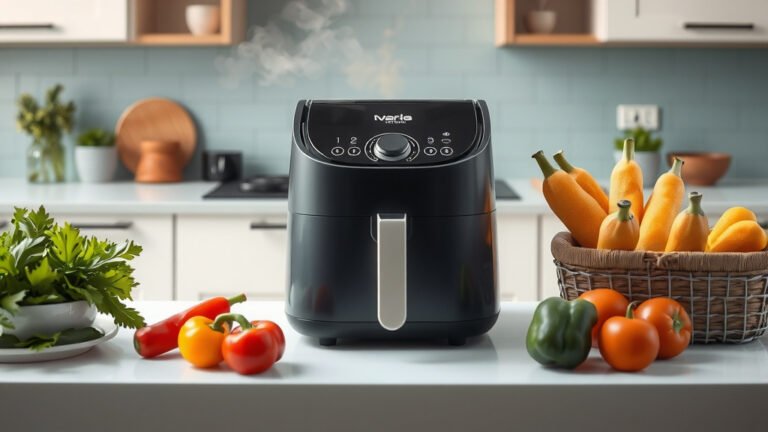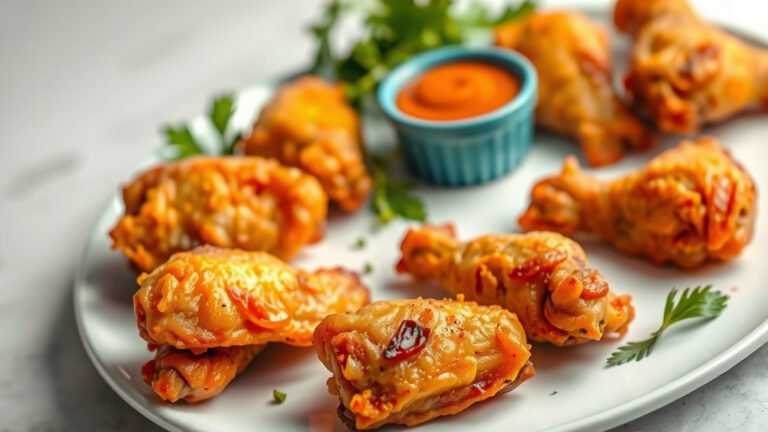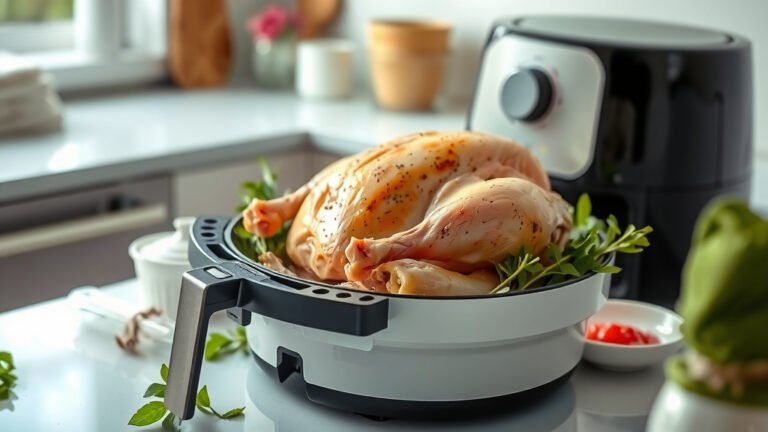
Does Air Fryer Food Go Cold Fast Outside?
Yes, air fryer food can seem to go cold quickly because the circulating hot air often cooks the surface very rapidly, leading to a crispy exterior that dissipates heat faster once removed.
The air fryer’s method of cooking with dry, convection heat means food often lacks the residual moisture or oils that might help food stay warm longer when cooked using other methods.
- Air fryer food often feels colder quickly due to its cooking method.
- The intense dry heat creates a crispy surface that loses warmth fast.
- Factors like food type and size play a big role in heat retention.
- You can take simple steps to keep your air-fried meals warmer.
- Serving immediately is always your best bet for hot, crispy results.
Does Air Fryer Food Go Cold Fast Outside?
Many air fryer users notice their delicious meals cooling down faster than expected. This often happens because air fryers cook food using dry, circulating hot air, creating a wonderfully crisp exterior that unfortunately doesn’t hold heat as long as other cooking methods.
The rapid, intense cooking can quickly draw out moisture, meaning less internal warmth to sustain the outer temperature once the food leaves the hot environment.
Why Air Fryers Make Food Crisp, But Quick to Cool
Think of it like this: an air fryer uses hot air to mimic deep frying. It’s like a tiny, powerful convection oven. This process gives you that fantastic crunchy texture we all love.
However, this very method, especially the lack of oil submersion, means the food doesn’t have a thermal blanket to keep it warm. It cools down when exposed to room temperature air.
The Role of Dry Heat Cooking
Air frying relies on dry heat. This method excels at browning and crisping. But dry heat, compared to cooking in oil or moisture, means there’s less residual warmth to cling to the food.
We found that foods cooked with moist heat, like stew or soup, naturally retain their warmth much longer due to their higher water content and thermal mass (Culinary Institute of America).
Key Factors Affecting Food Cooling Speed
Several things determine how fast your air-fried goodies lose their warmth. It’s not just the air fryer itself. You can understand these to manage your meal times better.
Consider the type of food, its size, and even the ambient room temperature. These elements all play a part in how long your food stays hot and ready to eat.
Food Type and Density Matter
Think about a French fry versus a chicken drumstick. A thin, small item like a fry has more surface area exposed to the air relative to its mass. This means it cools incredibly fast.
Denser foods, like a thick steak or a larger potato wedge, tend to hold their heat a bit longer inside. They have more thermal mass to resist rapid cooling.
Surface Area and Heat Loss
Imagine your food as a tiny radiator. The more surface area it has, the more quickly it can radiate heat away into the surrounding air. This is why small, irregularly shaped foods cool down fast.
A pile of onion rings will likely chill faster than a single, solid chicken breast. Keep this in mind when you’re preparing different items for your meal.
Starting Temperature of the Food
Did you put cold food in your air fryer, or did it start closer to room temperature? Food that starts colder might need more time to heat through, and could also cool quicker post-cooking.
Always ensure your food is adequately heated inside. Research suggests that well-heated food at the core will maintain its warmth better than food that is just hot on the surface (USDA guidelines).
Practical Solutions to Keep Air Fryer Food Warm
Don’t despair! You can take simple steps to ensure your air-fried delights stay warm longer. A little planning goes a long way to enjoying your crispy creations at their best.
From strategic serving to clever holding methods, these tips can help you maintain that ideal temperature for your meals.
Serving Dishes: Warming Them Up
Pre-warming your serving plates or bowls is a game-changer. A cold plate acts like a magnet, sucking the heat right out of your food. Pop them in a low oven or even hot water for a minute.
Many experts say this simple trick can add precious minutes to your food’s warmth. It creates a friendly environment for your hot meal.
The Oven as a Warming Drawer
Your conventional oven can be your best friend here. Set it to its lowest temperature, often around 170-200°F (75-90°C), and use it to keep batches of food warm while you finish cooking.
Just be careful not to crowd the oven, or you might steam the food and lose that desirable crispiness. Allow some space for air to circulate gently.
Using Aluminum Foil or a Lid
Covering your air-fried food loosely with aluminum foil can trap some of that precious heat. A simple lid on a bowl works too. This creates a tiny barrier against the cool room air.
Remember, “loosely” is key. Too tight, and you risk steaming your crispy creations, turning them soft. We want to preserve that perfect crunch!
The Power of an Insulated Container
For larger batches or if you’re taking food to another room, an insulated container or a thermal bag can work wonders. These are designed to keep temperatures steady.
Think of them as a cozy blanket for your food. They can keep items like fries or chicken nuggets warm and ready for up to an hour, sometimes even longer.
Air Fryer vs. Traditional Cooking: Heat Retention Comparison
It helps to see how air frying stacks up against other popular cooking methods when it comes to keeping food warm. Each method has its own strengths and weaknesses.
This little comparison can help you choose the best tool for your meal, especially if you need to keep food hot for a longer period before serving.
| Cooking Method | Heat Retention Tendency | Why It Behaves This Way |
|---|---|---|
| Air Fryer | Cools Faster | Dry, circulating hot air; less residual moisture/oil. Creates very crispy, exposed surfaces. |
| Deep Fryer | Cools Moderately | Oil immersion creates a thin, oily coating that helps insulate food and hold heat a bit longer. |
| Conventional Oven | Cools Moderately | Slower, more ambient heat absorption. Foods retain more moisture and internal temperature. |
| Stovetop (Sauté/Pan Fry) | Varies (Medium to Fast) | Direct contact with hot pan can heat intensely, but food cools quickly if left uncovered. |
Maximizing Freshness and Warmth
Ultimately, the best way to enjoy air-fried food is to eat it right away. Fresh from the air fryer, it will be at its peak crispiness and temperature. Plan your meal components for synchronized serving.
Consider cooking items that take longer first, then the quick-cooking air fryer items last. This strategy helps everything hit the table hot and delicious at the same time.
Checklist for Keeping Air Fryer Food Warm
- Pre-heat your serving plates.
- Use a low oven as a warming spot.
- Loosely cover food with foil.
- Utilize an insulated container for holding.
- Cook air-fried items last to serve immediately.
Conclusion
While air fryer food can indeed cool down quickly, this characteristic is actually a byproduct of what makes it so great: its ability to create incredible crispiness with dry, circulating heat. You’re not imagining things if your air-fried treats lose warmth fast!
Understanding the factors that influence heat retention and employing simple warming strategies can make a big difference. With a little planning and these handy tips, you can enjoy your delicious air-fried meals hot and perfectly crispy, just as they should be.
Why does my air fryer chicken get cold so fast?
Air-fried chicken, especially smaller pieces like nuggets or strips, cools quickly because the air fryer’s intense dry heat creates a very crispy exterior. This surface rapidly loses heat once exposed to cooler room temperatures, and the cooking method doesn’t leave much insulating moisture or oil.
Can I put air fryer food in the microwave to keep it warm?
You can use a microwave to reheat air fryer food, but it’s not ideal for *keeping it warm* as it often makes crispy foods soft and less appealing. A low-temperature oven (around 170-200°F) is a better option for maintaining warmth and crispness without further cooking.
Is there a trick to making air fryer fries stay hot longer?
To make air fryer fries stay hot longer, try serving them immediately on a pre-warmed plate. You can also place them in a bowl covered loosely with foil, or put them in a low oven (around 170°F) while you finish other meal components. Their thin shape makes them prone to rapid cooling.
Does the size of the air fryer affect how long food stays warm?
The size of the air fryer itself does not directly affect how long food stays warm *outside* of it. It’s more about the food’s properties, like its density and surface area, and how it’s handled after cooking. A larger air fryer might let you cook more at once, but the cooling process for individual items remains similar.
Should I cover my food in the air fryer to keep it warm after cooking?
It’s generally not recommended to keep food covered inside the air fryer after it’s turned off, as residual heat can continue to cook the food or steam it, leading to a soggy texture. Once cooked, it’s best to remove the food and use external methods like a low oven or foil cover to maintain warmth.