Does Air Fryer Circulate Air Evenly?
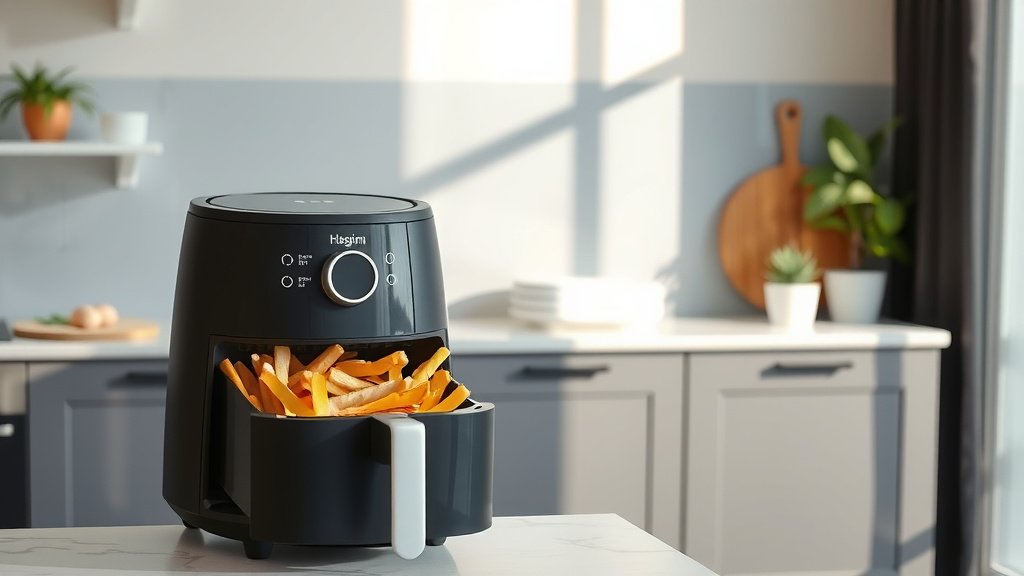
Yes, an air fryer is specifically engineered to circulate hot air evenly, aiming for a crispy, uniform cook.
However, achieving truly even air fryer circulation often depends on how you load your food and interact with the cooking process.
- Air fryers utilize a fan and heating element to move hot air rapidly, mimicking deep frying without excess oil.
- While built for evenness, the design can be hindered if you overcrowd the basket.
- You can greatly improve circulation by shaking the basket or flipping your food midway.
- Different air fryer models may have subtle differences in their internal air flow paths.
- Always aim to arrange your food in a single layer to let the hot air reach every surface.
Does Air Fryer Circulate Air Evenly?
Yes, an air fryer uses a powerful fan and heating element to move superheated air around your food.
This design aims to create a convection effect, cooking items uniformly from all sides.
Understanding How Air Fryers Work
Imagine a tiny, super-efficient oven. That’s essentially your air fryer.
It pulls air in, heats it up fast, and then a strong fan pushes that hot air all around the cooking basket.
This constant movement of hot air strips moisture away from the food surface, giving it that wonderfully crispy texture you love.
The Power of Convection Cooking
Convection is the secret sauce here. It’s why traditional ovens with convection settings cook faster and more evenly.
Air fryers take this to another level, circulating air much more intensely in a smaller space.
This concentrated hot air flow helps cook food from the outside in, browning and crisping as it goes.
Factors Affecting Even Air Circulation
Even with advanced design, some things can challenge your air fryer’s ability to circulate air perfectly.
Think of it like trying to get wind to blow through a packed forest – it’s just not as easy.
Understanding these points helps you get better results every time you cook.
Overcrowding the Basket
This is probably the biggest culprit for uneven cooking. If you pack too much food into the basket, you block the airflow.
The hot air can’t reach every surface, leading to some parts being crispy and others staying soft or undercooked.
We found that leaving space between items is key for optimal circulation.
Food Placement Matters
Where you put your food also plays a role. Are some pieces stacked? Are others hidden under a pile?
The hot air needs a clear path to every side of your chicken wing or potato wedge.
Many experts say arranging items in a single layer, if possible, gives the best outcome (Cleveland Clinic).
Signs of Uneven Air Fryer Circulation
Have you ever pulled out a batch of fries where some are perfectly golden and others are still pale?
That’s a common sign that the air wasn’t circulating evenly around all your food.
It’s not just about color; texture differences can also tell the story.
Inconsistent Browning
One clear indicator is when some parts of your food are beautifully browned and crispy, while others remain light or even soggy.
This shows the hot air reached certain spots more effectively than others.
Varying Degrees of Doneness
Sometimes, uneven circulation means one piece of food is cooked through, and another, identical piece, isn’t quite done.
This is especially noticeable with thicker items like chicken pieces or larger vegetables.
Tips for Achieving Better Circulation
Don’t worry, you’re not helpless against uneven cooking!
There are simple, practical steps you can take to significantly improve how your air fryer circulates air.
These tips will help you get those consistently delicious results.
- Don’t Overload: Cook in batches if you have a lot of food. Give each piece room to breathe.
- Shake the Basket: For smaller items like fries or tater tots, shaking the basket frequently redistributes the food, exposing new surfaces to the hot air.
- Flip Your Food: For larger items like chicken breasts or fish fillets, use tongs to flip them halfway through cooking.
- Use a Single Layer: When possible, arrange food in a single layer to allow air to flow around each piece fully.
- Consider Accessories: Some air fryers have racks or dividers that can help with organization and airflow.
- Preheat: Always preheat your air fryer. This ensures the air inside is already at the target temperature for immediate, even cooking.
Comparing Air Fryer Basket Designs
Not all air fryers are built the same, and their basket designs can influence air circulation.
Some models have a more open basket, while others use different internal structures.
Let’s look at how typical designs might impact your cooking.
| Basket Type | Description | Impact on Air Circulation |
|---|---|---|
| Wire Mesh/Perforated | Standard design with many holes or a mesh bottom. | Excellent; allows hot air to pass directly through and around food. |
| Solid Bottom with Side Vents | Basket with a solid base and vents mainly on the sides. | Good; relies more on air bouncing off the bottom, requires more shaking/flipping. |
| Drawer Style | Most common; food sits in a pull-out drawer. | Very good; designed to concentrate air flow within the drawer cavity. |
| Oven Style | Larger, mini-oven design with shelves. | Good; multiple racks can reduce individual item airflow if overloaded; often includes a rotisserie option. |
The Role of Temperature and Time
Beyond how the air moves, the temperature setting and cooking duration also affect evenness.
Too high a temperature can burn the outside before the inside cooks.
Too low, and you might just dry out your food without getting crispness.
Finding the Sweet Spot
Many recipes provide ideal temperature and time settings for air fryers.
Following these is a good starting point.
Adjusting based on your specific air fryer and food amount will refine your technique.
Monitoring Your Food
Don’t just set it and forget it, especially when trying a new recipe or a different food item.
Check your food periodically, especially halfway through the cook time.
This allows you to shake, flip, or rearrange items as needed for the best results.
Conclusion
Yes, your air fryer is designed to circulate hot air evenly, and it does a fantastic job of it most of the time.
However, you are an important part of the equation! By understanding how your appliance works and applying simple techniques like not overcrowding and shaking the basket, you can significantly improve the evenness of your cooking.
Think of it as a team effort: your air fryer handles the hot air, and you ensure the food gets the full benefit of that incredible circulation. Happy air frying!
Frequently Asked Questions
Why does the bottom of my air-fried food sometimes get soggy?
The bottom of your air-fried food can become soggy if moisture gets trapped underneath. This often happens if the food is too crowded, preventing air from circulating around the bottom, or if steam condenses beneath it. Try cooking in smaller batches or shaking/flipping more often.
Can I use parchment paper or foil in my air fryer for easier cleanup?
Yes, you can use parchment paper or aluminum foil, but with caution. Make sure it doesn’t block air circulation around the food or cover too many of the basket’s holes. Never place it in an empty air fryer during preheating as it can fly up and hit the heating element.
Do all air fryers circulate air the same way?
While the basic principle of a fan and heating element is consistent, different air fryer models and brands have varying designs. Factors like fan size, heating element placement, and basket shape can lead to slight differences in how effectively air circulates. Always check your user manual for specific guidance.
How often should I shake or flip food in an air fryer?
For best results, we found that shaking or flipping food every 5 to 7 minutes is a good general guideline, especially for smaller items like fries or vegetables. For larger items, flipping once halfway through cooking is usually sufficient. Pay attention to your specific recipe and food type.
Does preheating an air fryer really help with even cooking?
Yes, preheating your air fryer is highly recommended. It ensures the cooking chamber is already at the target temperature when you add food, which helps the outside crisp up immediately and leads to more consistent and evenly cooked results. Skipping this step can lead to food cooking slower or less evenly.