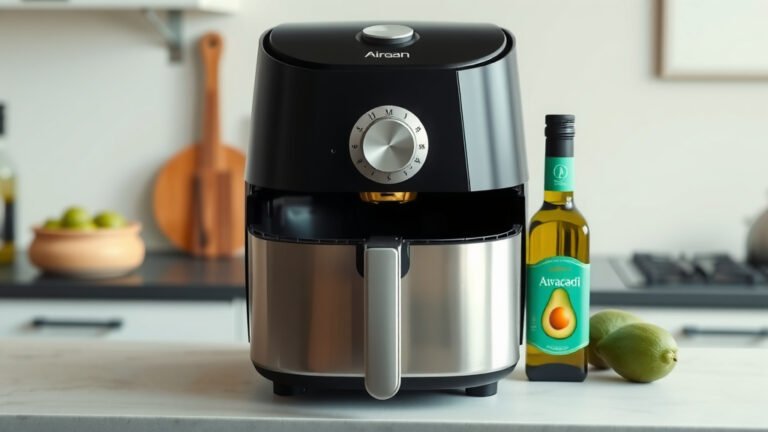
Can You Use An Air Fryer On A Countertop?
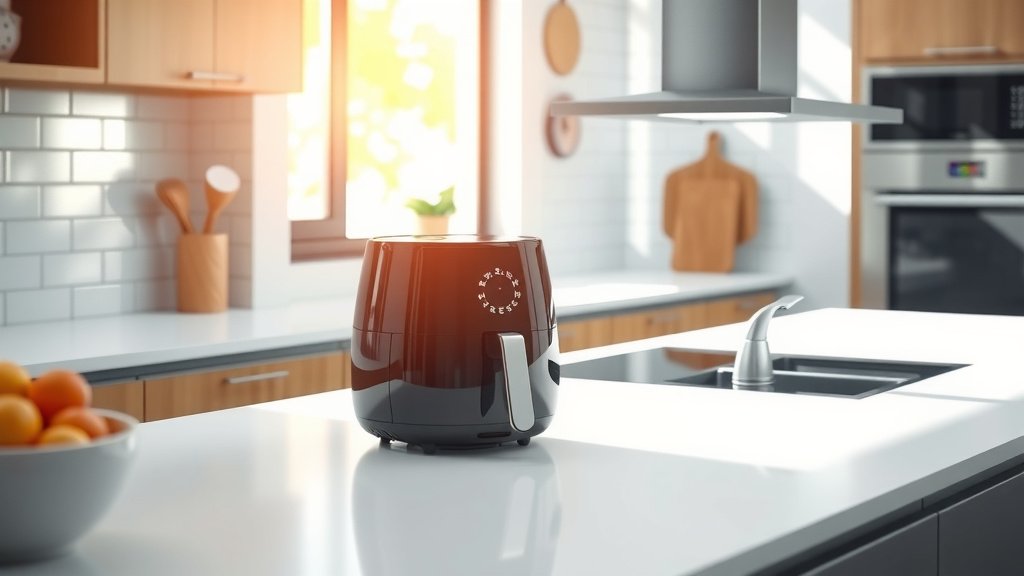
Yes, you absolutely can use an air fryer on a countertop, but you need to prioritize safety and placement for optimal performance.
Make sure to leave ample clearance around the appliance and place it on a heat-resistant surface to prevent damage.
- TL;DR: Air fryers are safe for countertops with proper ventilation and a heat-resistant mat.
- TL;DR: Give your air fryer at least 5-8 inches of space from walls and cabinets.
- TL;DR: Avoid placing it under overhead cabinets that trap heat.
- TL;DR: Always check your air fryer’s manual for specific safety recommendations.
- TL;DR: Unplug it when not in use and keep it away from water sources.
Can You Use An Air Fryer On A Countertop?
Yes, using an air fryer on your kitchen countertop is perfectly fine. In fact, that is where most people keep them for easy access and operation. We found that proper placement is key to a safe and enjoyable air frying experience.
The Golden Rules of Air Fryer Placement
Think of your air fryer like a mini oven. It generates heat, and that heat needs to go somewhere. Just like a good chef respects their tools, you need to respect your air fryer’s airflow.
Many experts say good ventilation is critical for these appliances. Without it, you could risk damaging your countertops, cabinets, or even the air fryer itself.
Give It Room to Breathe
Imagine trying to run a marathon in a tiny closet. Your air fryer feels the same way if it doesn’t have enough space. It needs breathing room, so air can circulate freely around the unit.
We recommend at least 5 to 8 inches of clearance on all sides: the back, the sides, and especially above. This allows hot air to escape and prevents heat buildup.
Heat-Resistant Surfaces Are Your Friends
Your countertop is a hero, but it needs protection from direct heat. Placing your air fryer directly on a laminate or stone surface might cause issues over time. A silicone mat or a wooden cutting board under the air fryer offers a fantastic barrier.
Research shows that sustained heat can discolor or warp certain countertop materials. Many people use a simple ceramic tile or trivet for extra peace of mind.
Where Not to Place Your Air Fryer
Just as important as knowing where to put it is knowing where to avoid placing your air fryer. Some spots are simply not safe or efficient.
Steer Clear of Overhead Cabinets
That space under your kitchen cabinets might seem convenient, but it is often a trap. The hot air venting from the top or back of your air fryer can get trapped there. This buildup of heat can cause damage to your cabinet finishes or even pose a fire risk.
You wouldn’t want your beautiful kitchen looking worse for wear, would you? This is a common mistake many new air fryer owners make.
Avoid Walls and Flammable Materials
Keep your air fryer a safe distance from walls, curtains, and any other flammable items. Remember that 5 to 8 inches of clearance we talked about? This applies to walls too. We found this prevents scorching and keeps your home safe.
Don’t Block Air Vents
Every air fryer has vents, usually on the back or top. These are its lungs! Make sure nothing is blocking them. Blocking the vents can lead to your air fryer overheating and potentially shortening its lifespan. It is like putting a hand over your mouth and nose; it just is not good.
Understanding Your Air Fryer’s Heat Output
Not all air fryers are created equal when it comes to heat. Some models vent more aggressively than others. This is why checking your specific manual is not just a suggestion, it is a must.
Check Your User Manual
Your air fryer’s manual is packed with specific safety guidelines from the manufacturer. It will tell you the recommended clearances and surface requirements. Many experts say this is your first and best source of information.
Monitor During First Uses
When you first get your air fryer, or if you move it to a new spot, pay attention. Do the surrounding surfaces feel unusually hot? Is there a strange smell? These are signs that you might need to adjust its placement. Trust your instincts on this one.
Essential Checklist for Air Fryer Safety on Countertops
To make sure you are ready for some crispy, delicious food without any worries, run through this quick checklist:
- Is there 5-8 inches of clearance around all sides?
- Is it on a heat-resistant surface, like a silicone mat?
- Are overhead cabinets clear of the venting area?
- Are all air vents on the unit unobstructed?
- Is it away from water sources and flammable items?
Choosing the Right Countertop Spot
Where in your kitchen is the ideal spot? It is often a balance of convenience and safety. Consider a dedicated “air fryer zone” in your kitchen.
Corner Counter Space
A corner of your countertop can be a great spot. It often offers more room for clearance and keeps the air fryer out of the main food prep areas. Just remember to pull it away from the wall slightly.
Away from High Traffic Areas
You do not want someone bumping into a hot air fryer while it is cooking. Place it in a spot where it is not in the way, especially if you have kids or pets. Safety first, always.
Comparing Countertop Options
Different countertop materials handle heat differently. Here’s a quick look:
| Countertop Material | Heat Resistance | Recommendation |
|---|---|---|
| Granite/Quartz | High | Good, but a mat offers extra protection against thermal shock. |
| Laminate | Moderate | Always use a heat-resistant mat to prevent warping/discoloration. |
| Butcher Block | Moderate | Use a mat. Long-term direct heat can dry out or scorch wood. |
| Stainless Steel | Very High | Excellent, but still consider a mat to avoid scratching or heat transfer. |
As you can see, a heat-resistant mat is almost always a good idea, no matter your countertop material. It is a small investment for long-term protection.
After-Use Care and Storage
Once your air frying masterpiece is complete, what next? Proper after-use care extends the life of your air fryer and maintains kitchen safety.
Always Unplug Your Air Fryer
When you are done cooking, make it a habit to unplug your air fryer. This prevents accidental activation and saves a tiny bit of electricity. It is a simple step that adds an extra layer of safety.
Allow it to Cool Down
Do not move or store your air fryer immediately after use. Let it cool down completely. This prevents burns and protects any surfaces you might place it on during storage. Patiently waiting a few minutes is always best.
Conclusion
Using an air fryer on your countertop is entirely safe and common, provided you follow some straightforward guidelines. Giving it enough space, placing it on a heat-resistant surface, and understanding your specific model’s requirements are key. Think of your air fryer as a valuable kitchen companion. Treat it with care and respect its need for airflow, and you will enjoy countless delicious, crispy meals for years to come. Happy air frying!
FAQs About Air Fryers on Countertops
Can an air fryer catch fire on a countertop?
While rare, an air fryer could catch fire if it overheats due to blocked vents, is placed too close to flammable materials, or if there’s an electrical malfunction. Following the manufacturer’s safety guidelines and ensuring proper clearance significantly reduces this risk.
Do I need a special mat under my air fryer?
It’s highly recommended to use a heat-resistant mat, such as silicone or a thick wooden cutting board, especially if your countertop is laminate, wood, or a material sensitive to heat. This protects your surfaces from potential discoloration or damage from the air fryer’s heat output.
How much space should an air fryer have on the countertop?
Most manufacturers recommend at least 5 to 8 inches of clearance around all sides (back, sides, and top) of your air fryer. This ensures proper ventilation, prevents heat buildup, and helps the appliance operate efficiently and safely.
Can I put an air fryer under a kitchen cabinet?
It is generally not recommended to place an air fryer directly under overhead kitchen cabinets. The hot air expelled from the air fryer’s vents can cause heat damage, discoloration, or warping to the cabinet finishes over time.
What kind of countertops are best for air fryers?
Countertops made of highly heat-resistant materials like stainless steel, granite, or quartz are generally robust. However, even with these, using a heat-resistant mat is still a good practice to offer extra protection and peace of mind.