Can You Use An Air Fryer For Steaming?
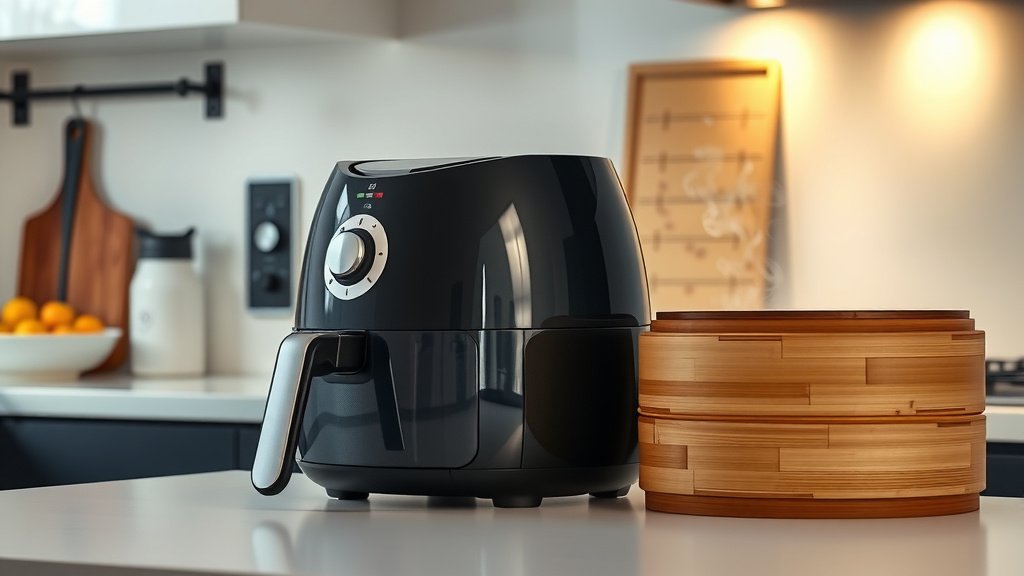
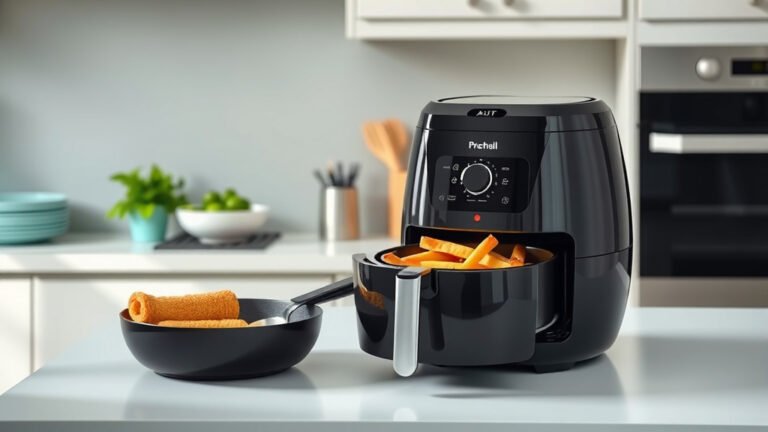
You can use an air fryer to create a steaming-like environment, but it does not produce true steam in the same way a dedicated steamer or stovetop method does. An air fryer circulates hot air, which can be modified with a small amount of water to cook food gently.
While not a traditional steamer, your air fryer can cook delicate foods like vegetables or fish using methods that mimic steaming, often with the help of foil packets or a heat-safe dish with water.
TL;DR: Can You Steam in an Air Fryer?
- An air fryer is designed for crisping with hot air, not for true steaming.
- You can simulate steaming by creating a moist environment with foil or water in the basket.
- This method works best for smaller, delicate foods like vegetables and fish.
- Expect a slightly different texture than traditional steaming, possibly a bit firmer.
- For large batches or pure steamed results, a dedicated steamer is still your best bet.
Can You Use An Air Fryer For Steaming?
You absolutely can use your air fryer to achieve a steaming-like effect for many foods. However, it is important to understand that an air fryer fundamentally uses hot air circulation, not direct steam, to cook.
Understanding How Your Air Fryer Works
Think of your air fryer as a powerful mini-convection oven. It works by rapidly circulating very hot air around your food, which creates that lovely crispy exterior we all love. Traditional steaming, in contrast, uses hot vaporized water to cook food gently and retain moisture (Mayo Clinic).
Why Consider “Steaming” in an Air Fryer?
Perhaps your stovetop is full, or you are looking for a quick, hands-off way to prepare a side dish. Many home cooks look for versatile uses for their air fryer, and trying to steam with it is a natural curiosity. You might want to cook vegetables without browning them too much.
The “Steaming” Methods for Your Air Fryer
Since your air fryer does not have a dedicated steam function, you need to create a moist environment yourself. We found that two primary methods work well for simulating steaming conditions. Always remember to use heat-safe materials when adapting your air fryer.
Method 1: The Foil Packet Technique
This is arguably the most effective way to “steam” in your air fryer. You simply place your food, along with a tablespoon or two of water, into a sealed foil packet. The water turns to steam inside the packet, cooking your food gently. This method works very well for delicate fish or small vegetables.
Method 2: Adding Water Directly to the Basket
For some models, you can place a small, heat-safe dish with water in the bottom of the air fryer basket, under the food. The hot air then circulates around this water, creating some humidity. This can help prevent food from drying out too much. Be cautious not to add too much water, as it can affect cooking.
Best Foods for Air Fryer “Steaming”
You will find that certain foods respond better to this air fryer method than others. We found that most people have success with quick-cooking, smaller items that benefit from gentle heat.
- Fresh Vegetables (broccoli, asparagus, green beans)
- Small Fish Fillets (salmon, cod, tilapia)
- Dumplings or Potstickers (can keep them from getting too crispy)
- Shrimp (cooks quickly and stays tender)
Foods to Approach with Caution
Foods that require a lot of moisture or a very long cooking time might not be ideal. Large, dense items like whole potatoes or tough cuts of meat will benefit more from other cooking methods. Steaming rice in an air fryer is often very challenging, we found.
Benefits of Air Fryer “Steaming”
Even though it is not true steaming, there are some perks to using your air fryer this way. You get the benefit of speed and convenience. It is often faster than waiting for a pot of water to boil. Plus, cleanup can be minimal, especially with the foil packet method.
Limitations and Drawbacks You Should Know
It is important to manage your expectations. You will not get the exact same result as a dedicated steamer. The texture might be slightly different, often a bit firmer, and it is usually best for smaller batches. Your air fryer also uses more energy than a stovetop steamer for the same amount of food (USDA).
Tips for Your Air Fryer “Steaming” Success
To get the best results, you will want to fine-tune your approach. Consider how much water you are adding and where you place it. Always keep a close eye on your food to prevent overcooking. Remember, your air fryer is powerful and cooks quickly.
Here is a quick checklist to help you get started:
- Choose small, quick-cooking foods.
- Use a heat-safe container or foil packet.
- Add only 1-2 tablespoons of water.
- Preheat your air fryer if recommended for the recipe.
- Monitor cooking closely; cooking times may vary.
- Consider adding seasonings before “steaming.”
Air Fryer “Steaming” vs. Traditional Steaming
Let us look at how these two methods compare so you can choose the best one for your needs.
| Feature | Air Fryer “Steaming” | Traditional Steaming |
|---|---|---|
| Primary Cooking Method | Hot air circulation with added moisture | Direct hot water vapor |
| Typical Texture | Tender, sometimes slightly firmer | Very tender, moist, delicate |
| Batch Size | Smaller batches are best | Can handle larger quantities |
| Equipment Needed | Air fryer, foil/heat-safe dish | Steamer basket, pot with lid |
| Crispiness Potential | Can achieve some crisping if desired | No crisping, purely soft texture |
Safety Considerations When Adding Water
When you add water to your air fryer, make sure you are using a very small amount. Too much water could potentially interfere with the heating element or create excessive condensation. Always consult your air fryer’s manual for any specific guidelines on adding liquids. We found that following manufacturer guidelines is always key.
When to Opt for a Dedicated Steamer
If you regularly steam large quantities of food, or if you truly want that delicate, purely moist texture, a dedicated stovetop or electric steamer is probably your best bet. They are designed for that specific purpose and will consistently give you the results you expect from steaming.
Conclusion
So, can you use an air fryer for steaming? The answer is a qualified yes, but with an asterisk. Your air fryer can certainly help you cook foods in a way that mimics steaming, especially for vegetables and fish, by creating a humid environment. It offers convenience and speed for smaller tasks. Just remember it is a hot air appliance first and foremost. For true, traditional steaming, a dedicated steamer will always be the champion. Experiment with your air fryer and see what works best for your favorite dishes!
Is it safe to put water in an air fryer?
It is generally safe to put a small amount of water in a heat-safe container or tightly sealed foil packet within your air fryer. Never pour water directly into the main heating element or exceed the basket’s capacity. Always check your appliance manual for specific instructions.
What is the difference between air frying and steaming?
Air frying cooks food by circulating very hot, dry air to create a crispy exterior, similar to deep-frying but with less oil. Steaming cooks food using hot water vapor, resulting in a moist, tender product without crisping.
Can an air fryer replace a microwave for reheating?
An air fryer can replace a microwave for reheating many foods, especially those you want to re-crisp, like pizza or fried chicken. However, for quick reheating of liquids, soups, or soft foods that do not need a crispy texture, a microwave is usually faster and more efficient.
Will adding water to an air fryer make food soggy?
Adding a small, controlled amount of water, often within a sealed foil packet or a separate dish, is intended to create humidity and prevent food from drying out, not to make it soggy. If too much water is used, or it is directly exposed to the food without circulation, it could lead to sogginess.
What are the best vegetables to “steam” in an air fryer?
The best vegetables to “steam” in an air fryer are quick-cooking, firmer varieties like broccoli florets, asparagus spears, green beans, or sliced bell peppers. These benefit from the added moisture and cook relatively quickly to a tender-crisp texture.