Can You Use An Air Fryer As A Microwave?
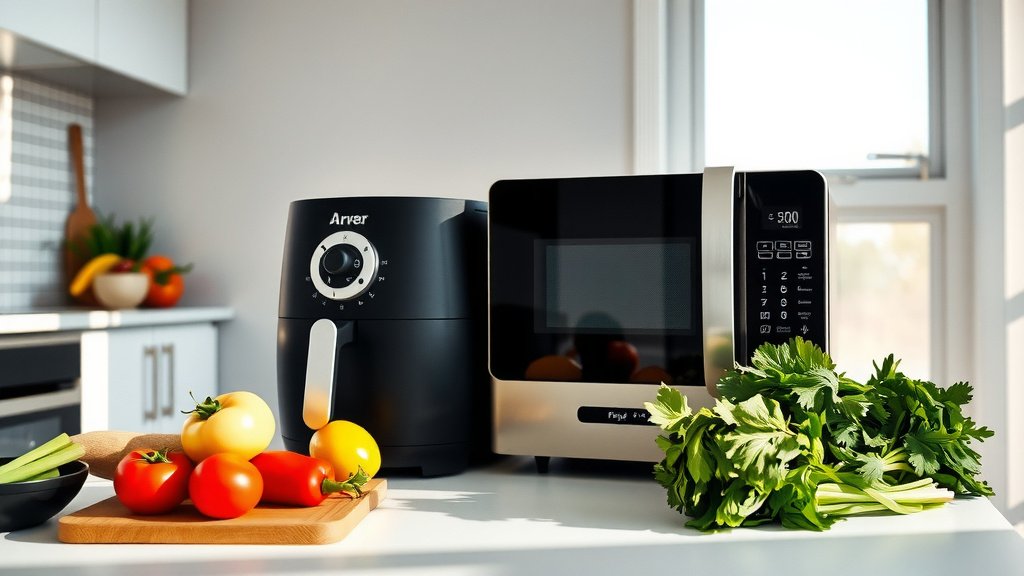
No, an air fryer cannot directly replace a microwave as they use fundamentally different heating methods for distinct cooking tasks.
While an air fryer excels at crisping and cooking with circulating hot air, a microwave heats food rapidly by exciting water molecules, making them suited for entirely different purposes.
TL;DR:
- Air fryers and microwaves are not interchangeable appliances.
- Air fryers use hot air convection for crispy results, similar to a mini oven.
- Microwaves use electromagnetic radiation to heat food quickly, often making it soft.
- You can reheat in an air fryer, but it takes longer and yields a different texture than a microwave.
- Your choice depends on whether you prioritize speed or a crispy finish for your food.
Can You Use An Air Fryer As A Microwave?
You might wonder if your versatile air fryer can step in for your microwave. The short answer is no; they serve very different kitchen roles.
While both heat food, their methods and results are distinct. Understanding these differences helps you pick the right tool for the job.
The Fundamental Difference: How They Heat Food
Let’s get down to basics. These appliances are like two different types of chefs in your kitchen, each with a unique cooking style.
They approach heating food from completely opposite directions, leading to varied outcomes for your meals.
What Makes an Air Fryer Special?
An air fryer works much like a miniature convection oven. It circulates incredibly hot air around your food at high speed.
This process creates a crispy, golden-brown exterior, perfect for foods you’d normally fry or roast. Think about that satisfying crunch!
What Makes a Microwave Unique?
A microwave operates using electromagnetic waves, specifically microwaves. These waves make water molecules inside your food vibrate rapidly, generating heat.
This means your food heats from the inside out, offering blazing-fast warming times without crisping anything. It’s all about speed.
Reheating Food: A Tale of Two Technologies
Reheating leftovers is where the confusion often begins. Can your air fryer rescue last night’s pizza from sogginess?
And will your microwave ever make fries taste fresh again? Let’s break down when each appliance truly shines.
When the Air Fryer Shines for Reheating
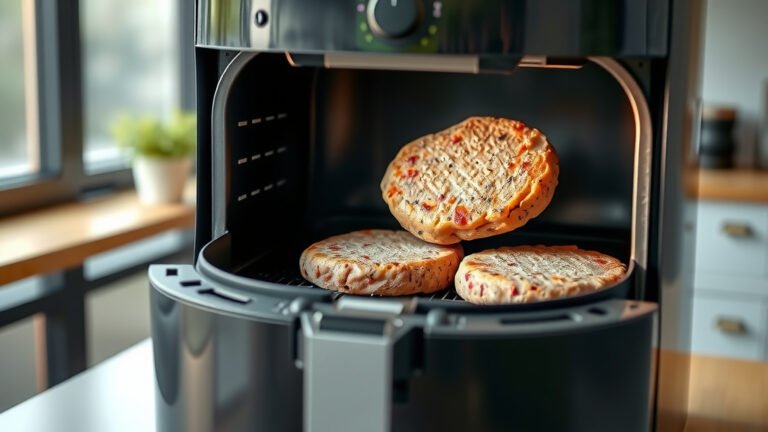
If you crave crispy leftovers, your air fryer is a champion. It works wonders on things like pizza, fried chicken, or spring rolls.
The hot air re-crisps the exterior, often making items taste almost as good as freshly cooked. We’ve found this truly transforms certain dishes.
When the Microwave is Your Best Friend
For quick, uniform heating of softer foods, the microwave is unmatched. Soups, casseroles, or saucy pasta reheat beautifully in minutes.
It’s ideal when you need food hot and ready without any desire for a crispy texture. Many experts say it’s the go-to for speed.
Speed vs. Texture: Your Kitchen Dilemma
So, what’s more important to you when heating food? Is it getting your meal ready in a flash, or is it achieving that perfect texture?
This is the core question that helps you decide which appliance to reach for first.
Quick Reheats? Microwave Wins.
Need to warm a mug of coffee or a plate of mashed potatoes in 60 seconds? The microwave is your undisputed king of speed.
It heats liquids and moisture-rich foods incredibly fast, making it perfect for busy moments. Time is often the biggest factor here.
Crispy Leftovers? Air Fryer Takes Time.
Achieving that delightful crispness in an air fryer takes longer. You’re typically looking at 5-15 minutes, depending on the food and quantity.
While it’s not as instant as a microwave, the improved texture can be worth the extra wait for many dishes.
Beyond Reheating: Different Cooking Roles
It’s important to remember that both appliances have primary cooking functions far beyond just warming up last night’s dinner.
They are designed to create different types of meals from scratch, expanding your kitchen capabilities.
Air Fryer’s Primary Purpose
The air fryer excels at “frying” with little to no oil. It makes delicious french fries, chicken wings, roasted vegetables, and even baked goods.
Its main goal is to deliver that crispy, fried feel using hot air, making healthier versions of comfort foods possible.
Microwave’s Convenient Functions
Beyond reheating, microwaves are fantastic for thawing frozen foods, melting butter or chocolate, and steaming vegetables quickly.
They offer a convenient way to soften, melt, or defrost ingredients without changing their texture significantly, a true time-saver.
Making the Choice: Which Appliance Do You Need?
Ultimately, the best choice depends on your cooking habits and what you value most in your kitchen. Do you prioritize speed or a specific food texture?
Many homes benefit from having both, as they are truly complementary tools, not replacements for each other.
| Feature | Air Fryer | Microwave |
|---|---|---|
| Heating Method | Hot Air Circulation | Electromagnetic Waves |
| Heating Speed | Slower (5-20 min) | Very Fast (30 sec-5 min) |
| Texture Result | Crispy, Browned | Soft, Steamed |
| Best For | Fries, Wings, Pizza, Roasts | Soups, Leftovers, Thawing |
| Energy Use (typical) | Higher, but efficient for small portions | Lower, very efficient for quick tasks |
When considering reheating, it’s helpful to think about the type of food. We found that certain items really benefit from one over the other.
This checklist can help you decide which appliance to use for your next meal:
- Is speed your top priority? Grab the microwave.
- Do you want a crispy exterior? Reach for the air fryer.
- Is the food saucy or liquid-based? Microwave is best.
- Are you reheating breaded items or fried foods? Air fryer excels.
- Do you need to defrost something quickly? The microwave is ideal.
Conclusion
An air fryer and a microwave are distinct kitchen appliances, each with unique strengths. You can’t truly use an air fryer as a microwave because their heating mechanisms and end results are entirely different.
The air fryer delivers delicious crispy textures via circulating hot air, while the microwave offers unmatched speed for heating and defrosting with electromagnetic waves. Understanding these differences allows you to choose the right tool for any cooking task, ensuring your meals are always prepared just right.
Can an air fryer heat water?
No, an air fryer is not designed to heat water. It uses hot air circulation, which would not effectively boil or heat water in a container. For heating water, a microwave, stovetop, or electric kettle is the proper tool.
Why does food get crispy in an air fryer but not a microwave?
Food gets crispy in an air fryer because it mimics deep-frying or convection baking, using dry, circulating hot air to evaporate surface moisture and create a browning reaction. A microwave heats water molecules within the food, which often steams the food and prevents crisping.
Is an air fryer more energy-efficient than a microwave?
For quick tasks like heating a small bowl of soup, a microwave is generally more energy-efficient due to its rapid heating. However, an air fryer can be more energy-efficient than a conventional oven for cooking smaller portions, as it heats a smaller space more quickly.
Can I melt cheese in an air fryer like a microwave?
You can melt cheese in an air fryer, but it will be a different result. The air fryer will melt and potentially brown the cheese, creating a slightly crispy edge. A microwave will melt cheese quickly and uniformly, keeping it soft and gooey without browning.
Which appliance is better for health-conscious cooking?
Both appliances can be part of a health-conscious kitchen. An air fryer promotes healthier “frying” by using very little oil. A microwave is great for steaming vegetables or cooking without added fats. We found that the healthier choice often depends on the specific cooking method and ingredients you choose for each appliance.