Can You Put Water In An Air Fryer?
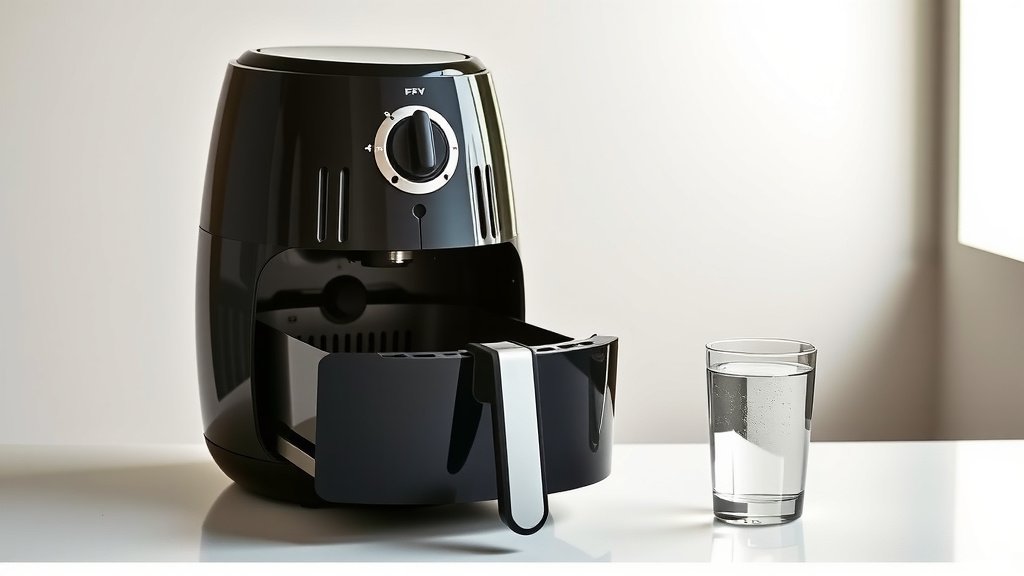
Generally, you should avoid putting water directly into the main cooking basket or heating element of an air fryer.
While a tiny bit of water can sometimes be used for steaming or cleaning, direct large amounts can damage your appliance and pose a safety risk. So, can you put water in an air fryer? Not in large quantities.
- Generally, avoid putting large amounts of water in your air fryer’s cooking basket to prevent damage and safety issues.
- A small amount of water in a heat-safe dish might help with steaming or keeping food moist.
- Never submerge the air fryer base or heating element in water.
- Always refer to your specific air fryer’s manual for precise instructions.
- Water is safe for cleaning removable parts, but ensure everything is dry before reassembling.
Can You Put Water In An Air Fryer?
The short answer is: typically, no, you should not directly add large amounts of water to your air fryer’s cooking basket. Doing so can harm the appliance and create a safety concern.
Why People Ask About Water in Air Fryers
It’s a common question, isn’t it? Many people are used to traditional ovens or steamers that use water. You might be wondering how to add moisture to food or prevent smoke when cooking fatty items.
We’re here to help clarify the role water plays, or doesn’t play, in air frying. It’s important to understand how these appliances work.
Understanding Your Air Fryer’s Design
An air fryer is essentially a compact convection oven. It circulates hot air rapidly around your food. This creates that crispy texture we all love.
The design includes a heating element and a fan. These components are not designed to interact with standing water. Think of it more like a hairdryer for your food.
The Risks of Adding Water Directly
Pouring water into the main cooking area can lead to several problems. It’s not just about safety; it’s also about preserving your appliance’s life.
Let’s look at why it’s a practice best avoided. Your air fryer will thank you.
Electrical Hazards and Damage
Water and electricity are a dangerous mix. Your air fryer has exposed heating coils and electrical connections. Introducing water can cause short circuits or electric shock. We found that appliance manufacturers universally advise against this for safety (Consumer Reports).
It could also permanently damage the internal components. This might mean buying a whole new air fryer, which nobody wants!
Steam Buildup and Performance Issues
Air fryers rely on dry heat for crisping. Adding water creates excess steam. This steam can prevent your food from getting crispy. It can also lead to a soggy, undesirable texture.
You bought an air fryer for its crisping power, right? Water works against that core function.
Risk of Splashing and Burns
Hot water, especially when agitated by a fan, can easily splash. This creates a burn risk if you open the basket. Extreme caution is necessary around any hot liquid.
It’s always better to be safe than sorry in the kitchen. Keep your hands and face protected.
When a Tiny Bit of Water MIGHT Be Okay (With Caution)
There are a few niche situations where a very small amount of water might be used. These are exceptions, not the rule. Always proceed with extreme caution and check your specific manual.
Remember, we’re talking about a very small amount, contained safely.
Using a Heat-Safe Dish for Steaming
Some users place a small, oven-safe ramekin with a tablespoon of water in the air fryer. This might help create a humid environment. It can be useful for warming up certain leftovers or steaming vegetables slightly.
The key is that the water is contained. It does not touch the heating elements directly.
To Reduce Smoke from Fatty Foods
When cooking very fatty foods like bacon, smoke can sometimes be an issue. A very tiny splash of water (about a tablespoon) in the bottom outer pan, *below the cooking basket*, might help. This is often mentioned as a trick to catch drippings and reduce smoking.
We found that many air fryer users try this method carefully. Ensure it’s not touching the basket itself (Cook’s Illustrated).
Air Fryer Water Usage Table
Here’s a quick guide on water usage in your air fryer:
| Scenario | Water Quantity | Placement | Recommendation |
|---|---|---|---|
| Directly in cooking basket | Large amounts | Anywhere in cooking basket | DO NOT DO THIS (Risk of damage, electric shock) |
| In a separate heat-safe dish | 1-2 tablespoons | Inside cooking basket (contained) | Use with caution (For steaming, moisture) |
| In outer pan, below basket | 1 tablespoon | Outer drip pan (below food basket) | Use with caution (To reduce smoke, catch grease) |
| Cleaning removable parts | As needed | Sink or dishwasher | YES, SAFE (Ensure completely dry before use) |
How to Add Moisture Without Direct Water
If you’re aiming for moist food, there are better ways than adding water directly. These methods are safe and preserve your air fryer’s function. They help achieve perfectly cooked results.
Think about how you prepare food in a conventional oven. Many techniques transfer.
- Spray with Oil: A light mist of cooking oil keeps food moist and promotes browning.
- Wrap in Foil: For dishes you want to steam or keep from drying out, loosely wrap them in aluminum foil. This traps moisture effectively.
- Baste with Marinades: Brushing food with marinades, sauces, or even broth during cooking can add flavor and moisture.
- Don’t Overcook: Overcooking is the quickest way to dry out food. Use a meat thermometer to ensure food is cooked to the correct internal temperature.
- Use Batter or Breading: A good coating helps lock in juices. It also contributes to that satisfying crunch.
The Importance of Your Air Fryer Manual
Every air fryer model is a little different. Your specific manual is your best friend. It contains crucial safety information and usage guidelines. Always read it thoroughly before experimenting.
When in doubt, the manual provides the definitive answer for your appliance.
Cleaning Your Air Fryer with Water
This is where water is definitely welcome! Removable parts like the basket and drip pan are usually dishwasher safe. Or you can wash them by hand with warm, soapy water. Always ensure these parts are completely dry before putting them back in the air fryer for use.
Never submerge the main unit with the heating element or fan in water. Use a damp cloth to wipe down the exterior.
Final Checklist for Air Frying Success
To ensure you get the best results and keep your appliance safe, consider these quick points. They cover the most important aspects of air frying.
- Always read your air fryer’s specific instruction manual.
- Never pour large amounts of water directly into the cooking basket.
- Use a heat-safe dish for minimal steaming or moisture, if needed.
- Clean removable parts with warm, soapy water, but dry them completely.
- Opt for oil sprays or foil wraps to keep food moist.
- Prioritize safety by keeping water away from electrical components.
Conclusion
While the idea of adding water to an air fryer might seem logical for certain cooking goals, it’s generally a practice to avoid. The risks of electrical damage and compromised performance outweigh any potential benefits. Your air fryer is designed to crisp food with hot, circulating air, not steam it with large amounts of water.
By understanding its unique design and using alternative methods for moisture, you can ensure your air fryer stays safe and produces delicious, perfectly cooked meals every time. Always remember to consult your user manual for specific guidance. Happy air frying!
Can I boil water in an air fryer?
No, you should not attempt to boil water in an air fryer. The appliance is not designed for boiling liquids, and doing so can cause serious damage to the heating element, create electrical hazards, and potentially lead to overflowing hot water, posing a burn risk.
What happens if you accidentally put water in an air fryer?
If a small splash of water accidentally gets into the outer pan, it might be okay. However, if a significant amount of water enters the main cooking basket or touches the heating elements, immediately unplug the air fryer. Do not use it again until it has been thoroughly inspected by a qualified technician, as electrical damage or a short circuit may have occurred.
Can an air fryer catch fire from water?
Directly, water won’t cause a fire in the traditional sense, but it can cause an electrical short circuit. This short circuit can damage the appliance, leading to sparks, smoke, or component failure, which could indirectly lead to a fire hazard if the damaged components overheat or ignite nearby flammable materials.
How do I make my air fryer food less dry without adding water?
To prevent food from drying out, try lightly misting it with cooking oil before and during cooking. You can also wrap certain foods in aluminum foil to trap moisture. Basting with marinades or broths during the cooking process is another effective way to add moisture and flavor without using direct water.
Is it safe to put a wet food item in an air fryer?
Yes, it is generally safe to put naturally moist or wet food items (like marinated chicken, vegetables, or battered fish) into an air fryer. The issue arises when you intentionally add standing water to the appliance’s cooking basket or base. The natural moisture in food is part of the cooking process and is accounted for in the air fryer’s design.