Can You Put Silicone In An Air Fryer?
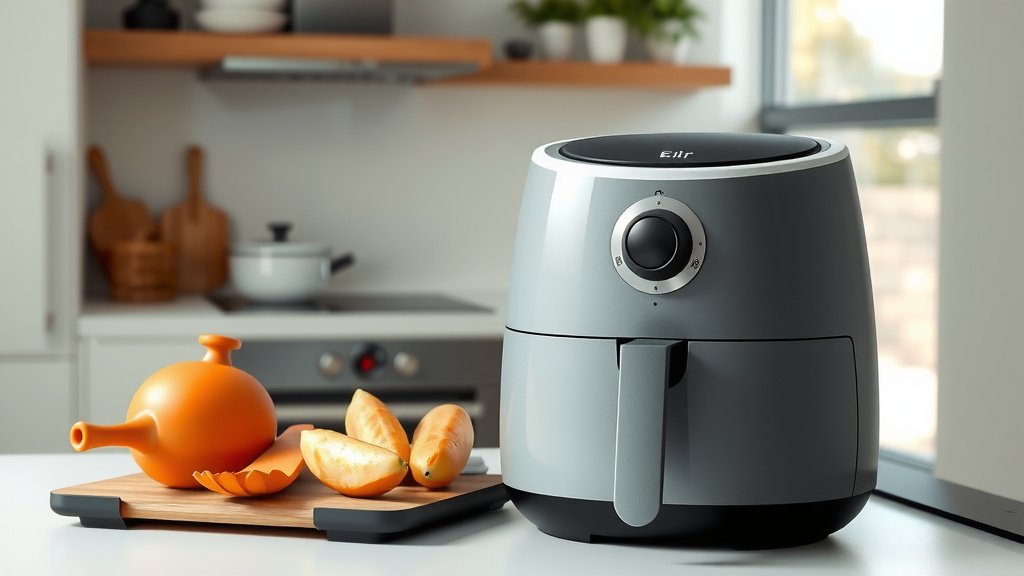
Yes, you can absolutely put silicone in an air fryer, as long as it is food-grade and heat-resistant to the high temperatures air fryers reach. Always check the manufacturer’s specific temperature limits on your silicone items to ensure safe use.
Many air fryer enthusiasts find silicone a fantastic material for cooking, offering both convenience and safety when used within its specified heat limits.
- Silicone is generally safe for air fryers if it’s food-grade and heat-rated for high temperatures.
- Always check the product’s maximum temperature before use to stay safe.
- It offers benefits like non-stick properties and significantly easier cleanup.
- Watch for signs of damage, such as discoloration or a strange smell, meaning it’s too hot.
- Clean your silicone properly to maintain its longevity and hygienic cooking surface.
Can You Put Silicone In An Air Fryer?
Yes, you can safely put silicone in an air fryer, provided it’s high-quality, food-grade silicone designed to withstand high temperatures. Many cooks find silicone accessories really handy for air frying tasks.
Understanding Air Fryer Temperatures
Air fryers operate by circulating very hot air, often reaching temperatures between 350°F and 400°F (175°C to 200°C). This intense heat cooks your food quickly and crisply. It is critical to understand these temperatures.
You need to choose silicone products that can handle this kind of heat. Most quality food-grade silicone can safely withstand temperatures up to 428°F (220°C), sometimes even higher. We found that most reputable brands provide this information (FDA guidelines).
What is Food-Grade Silicone?
Food-grade silicone is a synthetic polymer made from silicon, oxygen, carbon, and hydrogen. It’s known for being non-toxic, flexible, and heat-resistant. This makes it a popular choice for kitchenware.
When you see “food-grade,” it means the material meets specific standards for safety when in contact with food. This ensures no harmful chemicals will leach into your meals, even at elevated cooking temperatures.
The Right Silicone for Your Air Fryer
Not all silicone is created equal. To ensure safety, always look for silicone products specifically labeled as “food-grade” or “BPA-free.” These labels indicate a higher standard of quality.
Inferior silicone might not stand up to the heat, potentially melting or releasing odors. Always invest in reputable brands for air fryer accessories. It’s worth the small extra cost.
Checking Temperature Ratings
This is perhaps the most important step. Before using any silicone item in your air fryer, locate its specific temperature rating. This is usually printed on the packaging or on the item itself. Don’t guess, as guesswork can compromise safety and food quality.
If your air fryer heats to 400°F, ensure your silicone is rated for at least that much, ideally a bit higher for a safety margin. A common safe range is up to 450°F (232°C) for many silicone products.
Benefits of Using Silicone in Your Air Fryer
Using silicone in your air fryer offers several advantages that can make your cooking experience better. It’s not just about safety; it’s about practicality too. Many cooks consider it a game-changer for convenience.
- Non-Stick Properties: Food generally won’t stick to silicone, making cleanup incredibly easy.
- Even Cooking: Silicone allows for good airflow around your food, helping it cook more evenly.
- Flexibility: It’s easy to remove cooked items without breaking them, especially delicate foods.
- Easy Cleaning: Most silicone items are dishwasher safe, simplifying after-meal chores.
- Durability: With proper care, silicone can withstand many uses, making it a sustainable choice.
Potential Drawbacks and Things to Watch For
While silicone is generally safe, there are a few things to keep in mind. We want you to be fully informed for the best cooking experience. Being aware of these points can prevent issues.
Sometimes, new silicone items might have a slight odor when first heated. This usually disappears after a few uses, especially if you clean and pre-heat it. If the smell persists, it might indicate lower quality material.
Signs Your Silicone Might Be Too Hot
Your silicone shouldn’t melt or deform in the air fryer if used correctly. However, if you notice any of these signs, remove the item immediately. Your safety and your food’s integrity are always paramount.
Look for smoke, a strong chemical smell, discoloration, or if the silicone feels unusually sticky or soft after cooling. These are clear indicators that the silicone has exceeded its safe temperature limit.
Types of Silicone Items You Can Use
The versatility of silicone means you have many options for your air fryer. From baking to crisping, silicone can handle various tasks. What will you try first?
Silicone Bakeware in Air Fryers
Silicone molds for muffins, cupcakes, or small loaves work wonderfully in an air fryer. They ensure even baking and easy removal of baked goods. Just ensure they fit without blocking airflow too much.
Mini quiches or individual frittatas also cook beautifully in silicone cups within the air fryer. This method often results in a fluffy texture and quicker cooking times. Experiment with small batches.
Silicone Air Fryer Liners
These are a fantastic invention for keeping your air fryer basket clean. Silicone liners collect drips and crumbs, protecting your appliance and making cleanup a breeze. Many experts recommend them for preserving your air fryer.
Simply place the liner in the basket before adding your food. After cooking, let it cool, then wash it. It’s a simple way to extend the life of your air fryer’s non-stick coating.
Safe Handling of Hot Silicone
Remember that while silicone itself doesn’t conduct heat as well as metal, whatever food is inside it will be very hot. Always use oven mitts or tongs when removing silicone accessories from your air fryer. Safety first in the kitchen; your hands will thank you.
Allow the silicone to cool slightly before handling with bare hands. This prevents accidental burns and makes it easier to clean. A little patience goes a long way in preventing kitchen mishaps.
Silicone vs. Other Air Fryer Materials
Let’s look at how silicone compares to other common air fryer materials. Each has its pros and cons, but silicone often stands out for ease of use and cleanup.
| Material | Pros | Cons | Air Fryer Suitability |
|---|---|---|---|
| Silicone | Non-stick, flexible, easy clean, reusable | Can be flimsy, heat rating crucial | Excellent (if food-grade & high-temp) |
| Parchment Paper | Disposable, non-stick, good for small items | One-time use, can fly around if not weighted | Good (use air fryer specific liners) |
| Metal (Aluminum/Steel) | Durable, high heat resistance, rigid | Can stick, scratches, not always non-stick | Good (check non-stick coating) |
| Ceramic/Glass | Even heat, chemical-free | Heavy, brittle, can take longer to heat up | Limited (ensure oven-safe & fits) |
Tips for Safe Silicone Air Frying
Here are some quick pointers to ensure you’re using silicone safely and effectively in your air fryer. These simple steps can make a big difference.
- Always confirm your silicone item is food-grade.
- Check the temperature rating against your air fryer’s max heat.
- Do not let silicone touch the heating element directly.
- Ensure there is enough airflow around the silicone.
- Avoid sharp utensils that could puncture or tear the silicone.
- Clean your silicone regularly to prevent buildup of oils.
Cleaning Your Silicone Air Fryer Accessories
Keeping your silicone clean is important for hygiene and longevity. Thankfully, it’s usually very straightforward. A clean accessory is a happy accessory.
Most silicone items are dishwasher safe. For stubborn food residue, soak them in warm, soapy water for a bit before scrubbing gently. This helps lift any stuck-on bits. Regularly cleaning will keep your silicone looking and performing its best.
Conclusion
Using food-grade silicone in your air fryer is a fantastic way to enhance your cooking experience. It offers convenience, easy cleanup, and reliable performance, provided you follow the right guidelines. Always prioritize checking the temperature rating and investing in quality products. By doing so, you can enjoy all the benefits that silicone brings to your air frying adventures, making your meals tastier and your kitchen routine simpler. Happy air frying!
Frequently Asked Questions
What is the highest temperature silicone can withstand in an air fryer?
Most food-grade silicone products are safe up to 428°F (220°C) to 450°F (232°C). Always refer to the manufacturer’s specific temperature rating on your product to ensure it safely aligns with your air fryer’s maximum heat.
Can silicone cause a chemical taste in food when air frying?
High-quality, food-grade silicone should not impart any chemical taste to your food. If you notice a strange taste, it could indicate lower-quality silicone or that the silicone is exceeding its safe temperature limit. Try a different, reputable brand.
Is it better to use a silicone liner or parchment paper in an air fryer?
Both have benefits. Silicone liners are reusable, eco-friendly, and easy to clean, making them a good long-term investment. Parchment paper is disposable and convenient for single use, but you need air fryer specific versions that won’t fly around and hit the heating element.
How do I know if my silicone is food-grade?
Look for labels like “food-grade,” “BPA-free,” or certifications from food safety organizations on the product packaging. Reputable brands will clearly state this information. If it doesn’t say “food-grade,” it’s best not to use it for cooking.
Can I put a silicone baking mat directly on the air fryer rack?
Yes, you can place a silicone baking mat directly on the air fryer rack, provided it fits properly and doesn’t block too much airflow. Ensure the mat’s temperature rating is appropriate for your air fryer’s settings and it doesn’t come into direct contact with the heating element.