Can You Put Foil In An Air Fryer?
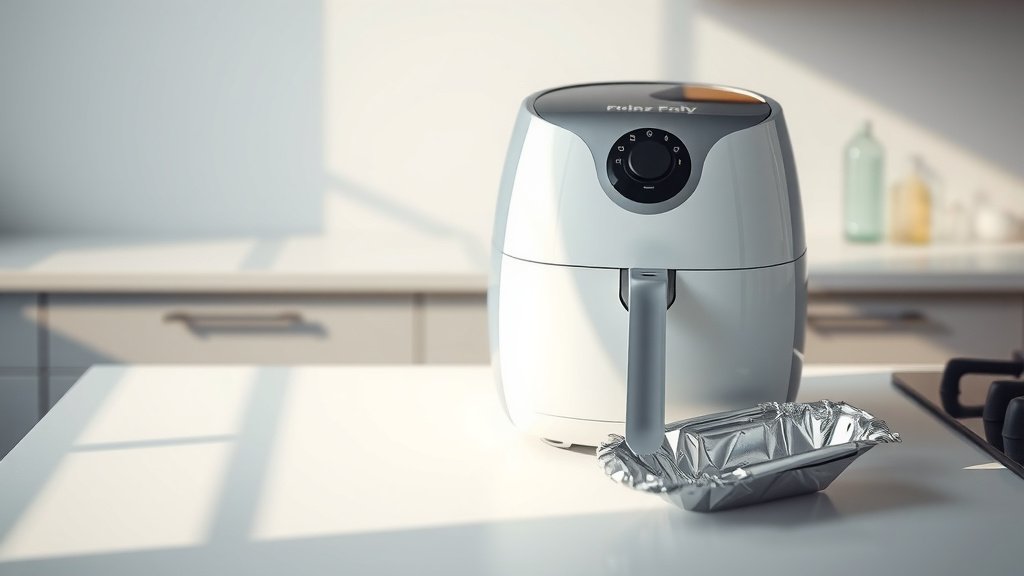
Yes, you can put foil in an air fryer, but you need to do so carefully to ensure safety and proper cooking. Always make sure the foil is secured and not blocking airflow or touching the heating element.
Using aluminum foil in your air fryer can be a convenient tool for cooking and cleanup, provided you follow specific guidelines. This practice helps prevent food from sticking and makes post-meal tidying simpler, but requires attention to how it’s placed and what you’re cooking.
TL;DR: Air Fryer Foil Basics
- You can use aluminum foil in an air fryer.
- Always keep foil secured and away from the heating element.
- Do not block airflow or vents; this prevents proper cooking and can be a fire risk.
- Avoid using foil with acidic foods like tomatoes or citrus, as it can react.
- Parchment paper or silicone liners are often safer and more versatile alternatives.
Can You Put Foil In An Air Fryer?
Absolutely, you can use aluminum foil in your air fryer, but it’s not a simple “yes” without a few important details. Think of it as a tool with specific instructions for the best and safest results.
The Short Answer: Yes, But With Cautions
Many home cooks, and we found that a lot of experts agree, use aluminum foil in their air fryers regularly. It can make cooking certain foods easier and significantly cut down on cleaning time after a meal (USDA).
Why Foil Can Be Your Air Frying Friend
Aluminum foil acts like a mini shield for your food. It’s excellent for preventing sticking, especially with marinated meats or cheesy dishes. We also found it helps to contain drips and spills, keeping your air fryer basket much cleaner. Plus, it can help cook certain foods more evenly, preventing delicate items from getting too crispy on the outside while remaining undercooked inside.
When Foil Is a No-Go
There are times when foil just isn’t the right choice. For instance, if you’re cooking something that needs maximum crispness, like fries or chicken wings, foil might actually hinder that perfect crunch. It can also be problematic if it’s not secured, potentially flying around and touching the heating element, which can create a fire hazard.
How to Use Foil Safely and Smartly
Using foil isn’t difficult, but it requires common sense. You want to make sure you’re getting the benefits without the risks. Here’s what we found works best.
Size Matters
Only use enough foil to line the bottom of your air fryer basket or to wrap your food. It should never cover the entire basket or block the vents. Leaving gaps around the sides is important for airflow circulation.
Avoid the Heating Element
The heating element in an air fryer is typically at the top. Loose foil can get sucked up into it, causing smoke or even a fire. Always make sure the foil is weighed down by food or fits snugly enough not to move during cooking. This is a critical safety step.
Food Contact is Key
Place your food directly on top of the foil. This helps to weigh it down. Never preheat your air fryer with empty foil inside. The rapid air circulation could easily send it flying, posing a serious safety concern.
Light Foods Need Anchoring
If you’re cooking something light, like a single piece of fish or some vegetables, make sure they are heavy enough to keep the foil in place. If not, consider a different method or use less foil. A tiny piece of foil can become a flying hazard.
Skip the Sauce
Many experts advise against using aluminum foil with acidic foods. Items like tomatoes, citrus fruits, or vinegar-based marinades can react with the aluminum. This reaction might cause tiny bits of aluminum to leach into your food, which is something you probably want to avoid for health reasons.
The Best Ways to Use Foil in Your Air Fryer
When used correctly, foil can really expand what you can cook in your air fryer. It’s all about smart application.
- Reheating Leftovers: Foil works wonders for reheating items like pizza slices or baked goods without drying them out. It helps to retain moisture.
- Easy Cleanup: Line your basket for messy foods like chicken wings with sticky sauces. The foil catches drips, making cleanup a breeze.
- “Steaming” Foods: You can create a small foil packet with vegetables or fish, adding a touch of liquid, to gently steam them in the air fryer. This method helps keep foods tender.
- Protecting Delicate Foods: Wrap delicate items like fish fillets or vegetables to prevent them from overcooking or burning on the outside. It’s like a gentle hug for your food.
Alternatives to Aluminum Foil
Foil isn’t your only option for convenient air frying. Sometimes, other materials work even better, depending on what you’re cooking. We found that many cooks have great success with these alternatives.
| Alternative Material | Pros | Cons |
|---|---|---|
| Parchment Paper | Excellent for non-stick, good for delicate foods, easy cleanup, generally safer with acidic foods. | Can be expensive, still needs to be weighted down, can block airflow if not sized correctly. |
| Silicone Liners | Reusable, eco-friendly, great non-stick properties, safe for high temperatures, often dishwasher safe. | Can be expensive upfront, might not fit all air fryer models perfectly, can be bulky. |
| Small Metal Pans | Durable, reusable, perfect for baking or casseroles, retains heat well, great for saucy dishes. | Can reduce air circulation significantly, takes up more space, might require specific sizes for your air fryer. |
Common Mistakes to Avoid with Foil
To keep your air frying experience smooth and safe, be mindful of these easy-to-avoid pitfalls:
- Blocking Vents: Never let the foil cover the air fryer’s vents. This disrupts cooking and can damage the appliance.
- Using Too Much Foil: More isn’t always better. Excess foil can restrict airflow, leading to uneven cooking.
- Acidic Foods: As we discussed, avoid using foil with high-acid foods. This helps prevent unwanted chemical reactions.
- Empty Air Frying: Don’t run your air fryer with just empty foil inside. It’s a definite no-go for safety.
- Touching Heating Elements: Always keep foil well away from the top heating coil. A floating piece of foil is a serious fire risk.
Conclusion
So, can you put foil in an air fryer? Yes, absolutely, with a clear understanding of how to use it safely and effectively. It’s a fantastic tool for making cleanup easier and broadening your cooking horizons. Just remember to use it sparingly, keep it secured, and ensure it never blocks the crucial airflow or touches the heating element. By following these simple rules, you can enjoy all the benefits foil has to offer in your air fryer, making your meals even more enjoyable and convenient.
Frequently Asked Questions
How do I prevent foil from flying around in my air fryer?
To keep foil from flying, always place food on top of it to weigh it down. Ensure the foil is cut to fit the bottom of the basket snugly without covering the sides or vents. Never preheat the air fryer with empty foil inside.
Is it safe to use heavy-duty foil in an air fryer?
Yes, heavy-duty foil is generally safe to use in an air fryer, and some people find it more durable and less prone to tearing. The same safety rules apply: ensure it’s secured, doesn’t block airflow, and stays away from the heating element.
Can I put a foil-wrapped baked potato in an air fryer?
You can certainly put a foil-wrapped baked potato in an air fryer! This method helps the potato steam and cook thoroughly inside. Just make sure the foil wrapping is neat and secure so it doesn’t unravel during cooking and cause issues with the heating element.
Does foil affect cooking time in an air fryer?
Sometimes, yes. Foil can slightly extend cooking times because it acts as a barrier, potentially reducing the direct hot air circulation around the food. You might need to add a few extra minutes, especially if you’re wrapping food completely.
What are the signs that I’m using foil incorrectly in my air fryer?
Signs of incorrect foil use include smoke coming from your air fryer, a burning smell, or unevenly cooked food. If the foil starts flying around or becomes charred, it’s a clear indication that it’s too close to the heating element or blocking airflow. Stop the air fryer immediately and adjust.