
Can You Put A Pan In An Air Fryer?
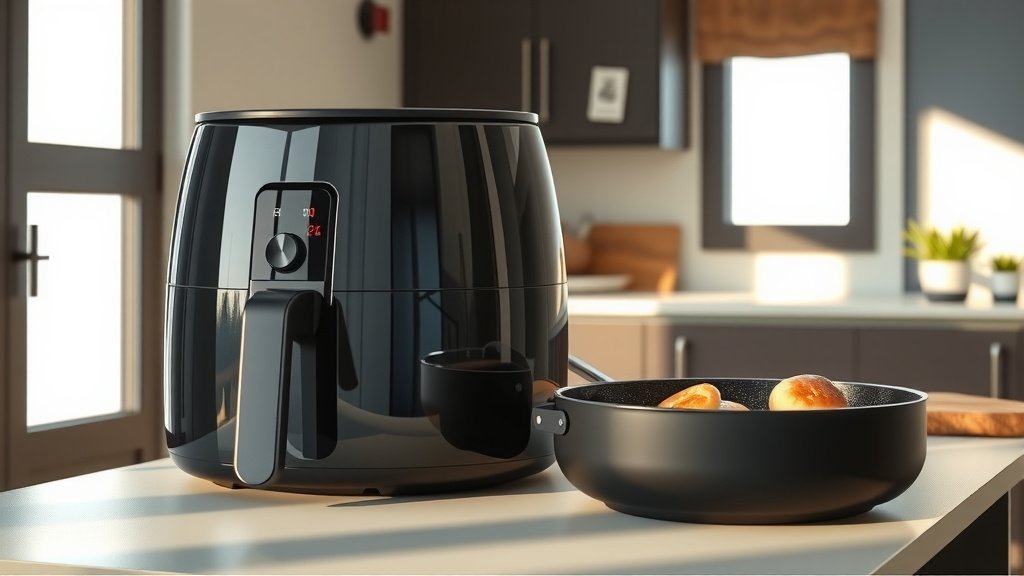
Yes, you can absolutely put a pan in an air fryer, which vastly expands the types of meals you can prepare beyond typical basket cooking. The key is selecting the correct pan material and ensuring it fits properly inside your air fryer for safe, even heating.
To put a pan in an air fryer, choose oven-safe materials like glass, ceramic, metal, or silicone, and make sure the pan allows sufficient space for air circulation around it to cook your food effectively.
TL;DR: Using a pan in your air fryer is a game-changer! Here’s what you need to know:
- Most oven-safe pans are air fryer safe.
- Size is everything: it must fit and allow airflow.
- Pans are great for saucier dishes or delicate items.
- Always check your air fryer’s manual for specific guidance.
- Expect slightly longer cooking times than direct basket frying.
Can You Put A Pan In An Air Fryer?
Absolutely, you can use certain types of pans in your air fryer, opening up many new cooking possibilities beyond just the basket. Just be sure the pan is oven-safe and fits correctly.
Why Would You Use a Pan in Your Air Fryer?
You might be wondering, “Why bother with a pan when I have the basket?” Good question! Using a pan helps you cook dishes with sauces, batters, or those that need to retain moisture.
Think about a creamy casserole or a batch of perfectly baked brownies. The basket wouldn’t work for those, right? A pan lets you tackle these recipes with ease.
The Golden Rule: Oven-Safe Means Air Fryer Safe
When picking a pan for your air fryer, remember this simple mantra: if it’s safe for your regular oven, it’s generally safe for your air fryer. This applies to most materials you already use for baking and roasting.
We found that materials like glass, ceramic, metal, and silicone are usually excellent choices. Always double-check labels to confirm a pan is oven-safe before using it.
Common Oven-Safe Pan Materials
Let’s break down which materials are your best friends in the air fryer. You want something that can handle the intense circulating heat without issues.
Many experts say that **silicone molds are a fantastic option** for cupcakes or small baked goods. They’re flexible, easy to clean, and handle heat well.
| Pan Material | Air Fryer Safe? | Best For… |
|---|---|---|
| Glass (Pyrex, etc.) | Yes | Casseroles, baked dishes, reheating leftovers |
| Ceramic (Stoneware, Porcelain) | Yes | Baked desserts, small gratins, egg dishes |
| Metal (Aluminum, Stainless Steel) | Yes | Brownies, quick breads, roasting veggies |
| Silicone | Yes | Muffins, cupcakes, mini quiches |
| Plastic | No | Melts, releases harmful chemicals |
| Waxed Paper/Parchment with plastic coating | No | Fire hazard, not heat-resistant |
Size Matters: Fit and Airflow Are Essential
This is probably the **most important consideration for using a pan** in your air fryer. Your pan needs to fit comfortably, leaving at least an inch or two of space around all sides.
Why so much space? The air fryer works by circulating super-hot air. If your pan blocks the airflow, your food won’t cook evenly, and you’ll miss out on that crispy air-fried texture.
Imagine trying to dry your hair with a towel wrapped around the dryer. Not much airflow, right? Your air fryer needs that space to do its job effectively.
Placing Your Pan Safely
When you’re ready to cook, gently place your chosen pan into the air fryer basket. You might need to remove the crisper plate first for certain pans, depending on its design.
Always ensure the pan is stable. You don’t want it wobbling around during cooking. A steady pan means **safer cooking and less chance of spills**.
Adjusting Cooking Times and Temperatures
Since the pan creates a barrier, trapping some moisture, your cooking times might increase slightly compared to cooking directly in the basket. We found that adding 5-10 minutes often does the trick.
You might also need to adjust the temperature. Many experts suggest **reducing the temperature by about 25°F (15°C)** to prevent the outside from burning before the inside cooks through. Experiment a little!
Benefits of Pan Power in Your Air Fryer
Using a pan brings several cool benefits. First, it helps you keep things clean. Less mess in the basket means less scrubbing later, which is always a win.
Second, it’s perfect for saucy dishes. Think lasagna, mac and cheese, or a juicy roast with vegetables. The pan holds all those delicious liquids.
Possible Drawbacks to Keep in Mind
While pans are great, there are a couple of things to remember. As mentioned, cooking times can be longer because the pan acts as an insulator.
Also, that signature air-fried crispiness might be less pronounced, especially on the bottom of the food. If you want maximum crisp, sometimes direct basket cooking is best.
What Not to Put in Your Air Fryer Pan
It’s important to know what not to put in your air fryer, even if it’s in a pan. Avoid anything that creates excessive smoke, like a pan full of super high-fat content items, without proper ventilation.
Also, **do not use plastic containers or disposable aluminum foil pans** that are too flimsy. They can collapse or melt, creating a real hazard.
Air Fryer Pan Safety Checklist
Before you get cooking with your pan, run through this quick checklist:
- Is the pan material oven-safe?
- Does it fit in the air fryer with enough space around it?
- Is the pan clean and free of cracks or damage?
- Are you using oven mitts to handle hot pans?
- Have you read your air fryer’s manual about accessories?
A Word on Parchment Paper and Foil
You can use parchment paper or aluminum foil in a pan inside your air fryer. They help with cleanup, much like in a regular oven.
Just make sure they are **tucked securely under your food** to prevent them from flying up and hitting the heating element. This can be a fire risk.
Cleaning Up After Pan Frying
Cleaning up after using a pan is usually straightforward. For most pans, regular dish soap and warm water will do the trick.
If you’re using silicone, it’s often dishwasher safe. Metal pans might need a little soak if food gets stuck. Keeping your air fryer clean is key to its longevity.
Conclusion
Putting a pan in your air fryer is a fantastic way to expand your cooking horizons. It allows you to bake, roast, and create delicious, saucy dishes that wouldn’t work directly in the basket. Just remember to choose **oven-safe materials and prioritize proper fit and airflow** for the best and safest results.
Don’t be afraid to experiment a little with your favorite recipes. With the right pan, your air fryer becomes an even more versatile kitchen appliance, ready for almost anything you throw at it!
Can I use any metal pan in an air fryer?
Most metal pans designed for conventional ovens, like aluminum or stainless steel baking pans, are safe for use in an air fryer. Avoid very thin or flimsy metals that might warp under high heat, and always ensure they fit properly.
What size pan is ideal for an air fryer?
The ideal pan size depends on your specific air fryer model. Generally, you want a pan that leaves at least an inch, preferably two, of space between its sides and the air fryer walls. This ensures proper hot air circulation for even cooking.
Can I use silicone molds or cupcake liners in my air fryer?
Yes, silicone molds, cupcake liners, and even silicone baking mats are generally safe for air fryers. They are flexible, heat-resistant, and great for baking muffins, cupcakes, or smaller individual portions. Just make sure they are food-grade silicone.
Do I need to preheat my air fryer with the pan inside?
It’s generally a good idea to preheat your air fryer with the pan already inside, just as you would with a conventional oven. This helps the pan reach the desired temperature for more even cooking and prevents cold spots when you add your food.
Will using a pan make my air-fried food less crispy?
Using a pan can sometimes result in slightly less crispiness, especially on the bottom of the food, compared to cooking directly in the perforated basket. This is because the pan prevents direct contact with the circulating air. For maximum crisp, consider flipping or stirring food halfway through cooking.
