
Can You Put A Cake Board In An Air Fryer?
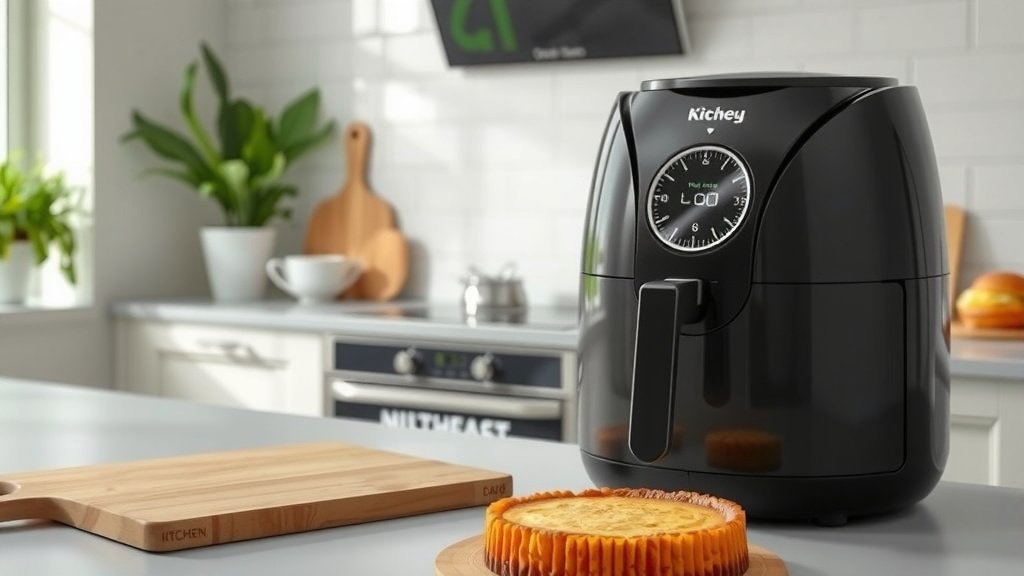
No, you should not put a standard cake board in an air fryer. Most cake boards are made of cardboard, which is not designed for the high heat and direct airflow inside an air fryer, posing a fire risk.
Using a cake board in your air fryer can lead to burning, smoking, and potentially hazardous situations due to its low heat resistance.
TL;DR:
- Standard cake boards are typically cardboard and can burn in an air fryer.
- The high, circulating heat of an air fryer is too intense for most cake board materials.
- You risk fire, smoke, and unpleasant flavors transferring to your food.
- Always opt for oven-safe materials like silicone, glass, or metal pans.
- Prioritize kitchen safety and use proper air fryer-friendly bakeware.
Can You Put A Cake Board In An Air Fryer?
No, a typical cardboard cake board is not safe for use in an air fryer. The intense, circulating heat can cause it to burn, smoke, or even catch fire. We really want you to stay safe in the kitchen!
Understanding Air Fryer Heat
Air fryers work like miniature convection ovens. They rapidly circulate very hot air around your food. This process cooks food quickly and makes it crispy. Think of it as a tiny, turbocharged oven, not just a warmer.
Temperatures inside can reach anywhere from 300°F to 400°F (150°C to 200°C). Many materials that seem harmless in an everyday setting simply cannot withstand this kind of heat.
Why Cake Boards Are Risky
Most cake boards are made from compressed cardboard or thin fiberboard. Sometimes they have a thin coating. These materials are generally designed for presentation, not for cooking heat.
Putting them in an air fryer introduces several dangers. The primary concern is their flammability and potential to release chemicals.
The Fire Hazard
Cardboard is incredibly flammable at high temperatures. Even if it doesn’t instantly burst into flames, it can char, smoke, and create dangerous fumes. Nobody wants a smoke detector blaring during dessert prep, do they?
We’ve seen reports where users experienced smoke and even small fires when non-safe materials were used (Fire Safety Guidelines).
Chemical Concerns
Beyond burning, some cake boards might be treated with glues, dyes, or coatings. When exposed to extreme heat, these chemicals can break down. They could potentially leach into your food or release unpleasant odors and fumes.
Research suggests that heating non-food-grade materials can introduce unwanted substances (Food Safety Institute).
Airflow Obstruction
Air fryers rely on proper airflow for even cooking. A flat cake board can block the circulating air, creating hot spots and cold spots. Your cake might cook unevenly or not at all.
This also reduces the efficiency of your air fryer, making it work harder without good results.
What Happens If You Try It?
If you were to place a standard cake board in an air fryer, you’d likely encounter immediate issues. You might smell something burning within minutes. Smoke could start to appear, and your kitchen might fill with an acrid odor.
Your cake would probably taste like whatever the burning board emitted. This is certainly not the delightful dessert experience you’re aiming for!
Safer Alternatives for Air Frying Cakes
Don’t despair! You can absolutely bake cakes in an air fryer. You just need to use the right bakeware. Here are some fantastic, air fryer-safe options:
- Silicone Molds: These are flexible, heat-resistant, and come in many shapes. Look for food-grade silicone specifically labeled as oven-safe.
- Small Metal Baking Pans: Think mini loaf pans, springform pans, or bundt pans. Ensure they fit well within your air fryer basket without touching the sides.
- Oven-Safe Glass or Ceramic Dishes: If they fit, these can work well for smaller cakes or custards. Always check for an “oven-safe” label.
- Parchment Paper: You can line your metal or silicone pans with parchment paper. This helps prevent sticking and makes cleanup easier. Just make sure it’s trimmed so it doesn’t fly around during cooking.
- Aluminum Foil: Form small pans with heavy-duty aluminum foil for single servings. Be careful to vent it so air can still circulate.
Comparing Materials for Air Fryer Baking
Choosing the right material is key to safe and delicious air-fried treats. Here’s a quick guide:
| Material Type | Air Fryer Safe? | Why or Why Not? |
|---|---|---|
| Cardboard/Fiberboard | No | Low heat resistance, fire risk, chemical leaching. |
| Silicone (Food-Grade) | Yes | High heat tolerance, flexible, non-stick. |
| Metal (e.g., Aluminum, Steel) | Yes | Excellent heat conduction, durable, oven-safe. |
| Glass/Ceramic (Oven-Safe) | Yes | Withstands high heat, good for even baking. |
| Parchment Paper | Yes (with caution) | Non-stick, helps cleanup; ensure it’s trimmed and weighed down. |
| Plastic (most types) | No | Melts at high temperatures, releases harmful fumes. |
Checklist Before Air Frying Anything
Before you place anything new into your air fryer, run through this quick checklist:
- Is the material specifically labeled oven-safe?
- Can it withstand temperatures up to 400°F (200°C)?
- Will it allow proper air circulation in the basket?
- Is it food-grade and non-toxic when heated?
- Does it fit without touching the heating element?
Tips for Air Frying Cakes Successfully
Once you have your safe bakeware, air frying a cake is quite simple. You’ll often need to adjust traditional oven recipes. We find that lowering the temperature slightly and shortening the cooking time works best.
For instance, if a recipe calls for 350°F in a conventional oven, try 325°F in your air fryer. Always start with shorter cooking times and check for doneness.
Preventing Burnt Tops
Air fryers are fantastic for crisping, but this can sometimes mean an overly browned top before the center cooks. You can loosely tent your cake with aluminum foil partway through cooking. This protects the top from direct heat.
Another tip is to rotate your cake halfway through. This helps to promote even cooking on all sides.
Conclusion
While a standard cake board is a definite no-go for your air fryer, this doesn’t stop you from enjoying delicious baked goods. Prioritizing safety by using heat-resistant, oven-safe bakeware ensures a great outcome every time. So go ahead, bake that cake in your air fryer, just make sure it’s in a proper pan!
Frequently Asked Questions
Can I use a pizza stone in an air fryer?
Generally, no. Most pizza stones are too thick and heavy for the compact size and airflow needs of an air fryer. They would likely obstruct air circulation and might not heat evenly, defeating their purpose.
What kind of pans are best for air frying desserts?
Small, metal baking pans (like mini loaf or springform pans) and food-grade silicone molds are ideal for air frying desserts. They conduct heat well and are flexible, making removal easy. Always check that they are labeled oven-safe.
Can I put wax paper in an air fryer?
No, you should not use wax paper in an air fryer. Wax paper is not heat-resistant enough for air fryer temperatures and the wax can melt, smoke, or even catch fire. Always use parchment paper instead, which is designed for high heat.
How do I prevent my cake from drying out in the air fryer?
To prevent drying, consider cooking your cake at a slightly lower temperature than a conventional oven recipe suggests. Also, cover it loosely with foil for the last part of cooking. Checking for doneness with a toothpick regularly helps avoid overcooking.
Is it safe to put aluminum foil directly on the heating element of an air fryer?
No, never place aluminum foil directly on the heating element of your air fryer. This can block airflow, cause uneven cooking, or even damage your appliance. Always ensure foil is contained within a basket or pan and doesn’t touch the heating coils.
