
Can You Make Yogurt In An Air Fryer?
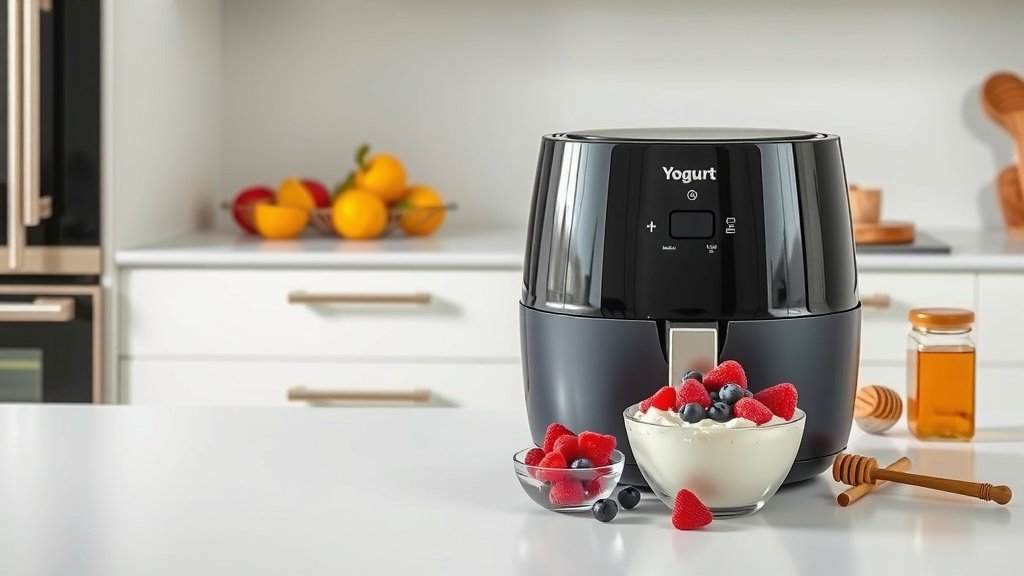
No, you generally cannot make yogurt in an air fryer in the traditional sense. Air fryers are designed for circulating hot, dry air to cook and crisp food, which isn’t the environment needed for yogurt’s delicate fermentation process.
To make yogurt, you need a consistent low temperature for several hours to allow beneficial bacteria to thrive and thicken the milk, a function an air fryer cannot replicate accurately or safely.
TL;DR:
- Air fryers are not suitable for making yogurt due to their primary function of circulating hot, dry air.
- Yogurt requires a consistent, low temperature (around 100-115°F or 38-46°C) for several hours to ferment properly.
- An air fryer’s temperature control is too volatile and typically too high for yogurt cultures to survive and thrive.
- Attempting to make yogurt in an air fryer will likely result in curdled milk, not creamy yogurt.
- Better methods include a dedicated yogurt maker, Instant Pot, oven, or slow cooker.
Can You Make Yogurt In An Air Fryer?
You’re curious about using your air fryer for everything, aren’t you? It’s a versatile kitchen tool! But when it comes to yogurt, the short answer is no, an air fryer isn’t suitable for its creation.
Many experts confirm that air fryers simply aren’t built for the specific conditions homemade yogurt requires. Let’s look at why this is the case.
Understanding How Yogurt Is Made
Yogurt making is a bit like a science experiment, focusing on microbiology. You start with milk and add a live bacterial culture, often called a starter. These friendly bacteria then get to work.
They consume the milk’s lactose, which is a sugar, and produce lactic acid. This acid is what makes yogurt thick, tangy, and gives it its unique flavor. It’s a process called fermentation.
The Air Fryer’s Primary Function
Think about what your air fryer does best. It bakes, roasts, and crisps food using a powerful fan. This fan circulates very hot, dry air around your food at temperatures usually starting around 300°F (150°C).
It’s fantastic for fries, chicken wings, or even baking small cakes. But it’s a high-heat, often dry environment, which isn’t what yogurt cultures need to grow.
Why Air Fryers Aren’t Ideal for Yogurt
Yogurt needs a low, consistent, and stable temperature for hours. We found that the ideal range for fermentation is generally between 100-115°F (38-46°C) (Mayo Clinic).
An air fryer cannot hold this low, precise temperature for the long periods required. Its thermostat usually cycles on and off, creating temperature swings that are too wide for the delicate bacteria.
What Happens If You Try to Make Yogurt In An Air Fryer?
If you were to attempt making yogurt in an air fryer, you’d likely end up with disappointing results. The high heat would kill the beneficial bacteria in your starter culture very quickly.
Without these bacteria, the milk wouldn’t ferment. Instead, it would probably just curdle, or even scald, leaving you with a messy, wasted batch of ingredients. It’s a bit like trying to grow a plant in boiling water!
Better Ways to Make Homemade Yogurt
Don’t be discouraged! Making your own yogurt at home is incredibly rewarding and simpler than you might think. Many tried-and-true methods are much more effective and reliable than an air fryer.
These methods focus on maintaining the ideal low temperature needed for fermentation. You want a steady warmth, not extreme heat or drastic temperature changes.
Yogurt Maker: The Easiest Path
A dedicated yogurt maker is specifically designed for this task. You simply heat your milk, add your starter, and pour it into the machine. It maintains the perfect temperature for hours, ensuring a consistent batch every time.
Instant Pot: A Versatile Choice
Many modern multi-cookers, like the Instant Pot, have a “yogurt” function. This setting provides the ideal consistent, low heat required for fermentation. It’s a popular choice for its simplicity and excellent results.
Oven Method: Low Tech, Still Great
You can also make yogurt using your oven. Some ovens have a “bread proofing” setting, which works perfectly. If not, you can simply turn your oven on for a few minutes to warm it, turn it off, and then place your milk with starter inside to incubate for several hours. Just be sure to monitor the temperature.
The Right Temperature Matters
Understanding the temperature difference is key. The bacteria in yogurt starter are thermophilic, meaning they love warmth, but not intense heat. Above 120°F (49°C), they start to die off.
Air fryers, by design, operate at much higher temperatures. We found that most air fryers have a minimum setting far above the safe zone for yogurt cultures.
| Method/Device | Ideal Temperature Range | Typical Function |
|---|---|---|
| Yogurt Fermentation | 100-115°F (38-46°C) | Low, consistent warmth for bacterial growth |
| Air Fryer | 300-400°F (150-200°C) | High, dry, circulating heat for cooking/crisping |
| Instant Pot (Yogurt setting) | 100-110°F (38-43°C) | Precise, consistent low heat |
| Oven (Proofing setting) | 90-110°F (32-43°C) | Gentle, controlled warmth |
Essential Tips for Perfect Homemade Yogurt
Once you choose your method, a few things will help you succeed. We found these factors consistently lead to great yogurt, regardless of your chosen appliance.
Choosing Your Milk
You can use almost any type of milk – whole, 2%, or skim. Whole milk generally yields a thicker, creamier yogurt. Some people even use plant-based milks, though results can vary in texture.
The Role of a Starter Culture
Your starter is important! Use a store-bought plain yogurt that contains live active cultures, or a freeze-dried starter culture. Make sure the container says “live active cultures” on the label.
Maintaining Hygiene
Cleanliness is paramount when dealing with bacteria. Always ensure your pots, utensils, and containers are sparkling clean. This prevents unwanted bacteria from contaminating your yogurt batch.
What Air Fryers ARE Good For (Cooking Yogurt’s Companions)
While your air fryer can’t make the yogurt itself, it’s still a fantastic tool for creating delicious accompaniments! Think about crisping up some granola or roasting fresh fruit to go along with your homemade creation.
You can air fry berries for a warm topping or make crunchy granola clusters. So, even though it’s not a yogurt maker, your air fryer still has a place in your yogurt-centric kitchen!
Your Homemade Yogurt Success Guide:
- Choose milk that suits your taste (whole milk gives creamy results).
- Select a starter with visible “live active cultures” on the label.
- Heat milk to the correct temperature (often 180°F/82°C) and cool it down (100-115°F/38-46°C).
- Gently mix in your chosen starter culture.
- Incubate using a reliable method like a yogurt maker or Instant Pot.
- Allow sufficient time for fermentation, usually 6-12 hours, for desired tanginess.
Conclusion
So, can you make yogurt in an air fryer? Ultimately, the answer is no. While air fryers are incredibly useful for many cooking tasks, they just aren’t designed for the precise, low-temperature fermentation that yogurt requires.
Don’t worry though! You have many excellent, reliable options for making delicious homemade yogurt, from dedicated yogurt makers to your trusty Instant Pot. Focus on those methods, and your kitchen will be full of creamy, tangy goodness. Your air fryer can happily stick to making crispy treats!
Can I use my air fryer to warm milk for yogurt?
You could technically use your air fryer to warm milk, but it’s not the most efficient or recommended method. A saucepan on the stovetop or a microwave offers far better control and even heating for this initial step.
What is the biggest challenge when making yogurt at home?
The biggest challenge often lies in maintaining a consistent temperature during the incubation phase. Any significant temperature fluctuations can hinder the bacterial growth, affecting the yogurt’s texture and tanginess.
How do I know if my homemade yogurt has gone bad?
Good yogurt should smell fresh and tangy. If your homemade yogurt develops a very sour, yeasty, or moldy smell, or if you see visible mold, it has gone bad and should be discarded. Always trust your senses.
Can I use flavored yogurt as a starter for my next batch?
It’s generally not recommended to use flavored yogurt as a starter. The added sugars, fruit, or artificial ingredients can interfere with the fermentation process and may not contain enough live active cultures to get a good result.
How long does homemade yogurt last in the fridge?
Homemade yogurt, when stored properly in an airtight container in the refrigerator, typically lasts for about one to two weeks. Its shelf life depends on cleanliness during preparation and proper storage.
