
Can You Cook Mahi Mahi In An Air Fryer?
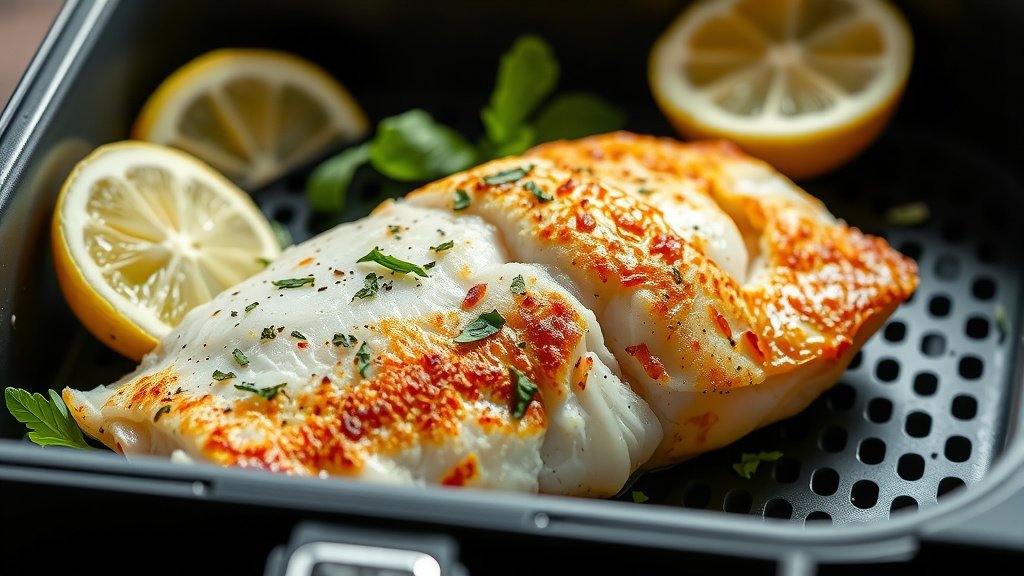
Yes, you absolutely can cook Mahi Mahi in an Air Fryer, and it’s a fantastic method for achieving delicious, flaky results with a perfectly crisp exterior.
Air frying offers a simple, healthy way to prepare this firm, mild white fish, making it a go-to choice for quick meals.
- TL;DR: Air frying Mahi Mahi is a superb idea for quick, healthy, and delicious fish.
- You’ll get a beautifully crisp outside and tender, flaky inside, much like traditional frying but with less oil.
- The process is straightforward: season your fish, preheat your air fryer, and cook for a short time.
- It’s a fantastic option for busy weeknights, offering a nutritious meal without much fuss.
Can You Cook Mahi Mahi In An Air Fryer?
Absolutely, cooking Mahi Mahi in an air fryer is not only possible but highly recommended. You’ll find this method delivers an incredibly tender and moist fillet with a delightful outer texture.
It’s a truly efficient way to prepare this popular fish, giving you restaurant-quality results right at home.
Why Choose the Air Fryer for Mahi Mahi?
You might wonder what makes the air fryer so special for fish. Well, it’s all about the circulating hot air creating a crispy coating without deep-frying.
This means you get that satisfying crunch you love, but with significantly less oil, making your meal much lighter. Many experts we found say air frying is a healthier alternative to traditional frying methods.
Is Air Frying Mahi Mahi Healthy?
When you air fry Mahi Mahi, you’re choosing a healthy cooking path. Mahi Mahi itself is a lean protein, packed with nutrients like B vitamins and potassium (NIH).
By using an air fryer, you reduce the need for excessive fats, preserving the fish’s natural goodness. It’s a smart way to enjoy delicious seafood.
Preparing Your Mahi Mahi for the Air Fryer
Getting your fish ready is a simple process. First, make sure your Mahi Mahi fillets are completely thawed if they were frozen. Pat them dry thoroughly with paper towels.
This drying step is super important for achieving that desirable crispiness in your air fryer. Think of it like a chef’s secret for golden-brown perfection.
Fresh vs. Frozen Mahi Mahi: What to Know
Whether you’re using fresh or frozen Mahi Mahi, the air fryer can handle it. If starting with frozen fillets, always defrost them first.
Thawing overnight in the refrigerator is best, or use the cold water method for a quicker defrost. Never air fry frozen fish directly, as it cooks unevenly.
Seasoning Your Fish for Flavor
Seasoning is where you can truly make your Mahi Mahi shine. A simple blend of salt, black pepper, and garlic powder works wonders.
You can also add paprika for color, or a squeeze of lemon juice for a bright, citrusy note. Don’t be shy; a good rub of spices makes all the difference.
Step-by-Step Guide: Air Frying Mahi Mahi
Ready to cook? It’s easier than you think! Just follow these straightforward steps for perfectly air-fried Mahi Mahi.
We found that a little preparation makes for a stress-free cooking experience, especially when you’re hungry.
- Preheat your air fryer to 375°F (190°C) for about 5 minutes. This ensures even cooking from the start.
- Lightly spray the air fryer basket with cooking oil or use parchment paper. This helps prevent sticking.
- Place your seasoned Mahi Mahi fillets in a single layer in the basket. Make sure they aren’t touching.
- Cook for 10-14 minutes, flipping halfway through. Larger or thicker fillets may need a bit more time.
- Check the internal temperature with a meat thermometer. It should reach 145°F (63°C) (FoodSafety.gov).
- Let the fish rest for a minute or two before serving, allowing the juices to redistribute.
What Temperature and Time Are Best?
The ideal temperature and cooking time can vary slightly based on your air fryer model and fillet thickness. However, a good starting point is key.
Here’s a quick guide to help you out, ensuring your Mahi Mahi is cooked to perfection every time.
| Fillet Thickness | Temperature | Cooking Time |
|---|---|---|
| 1/2 inch | 375°F (190°C) | 8-10 minutes |
| 3/4 inch | 375°F (190°C) | 10-12 minutes |
| 1 inch | 375°F (190°C) | 12-14 minutes |
Tips for Perfect Air-Fried Mahi Mahi
Want to go from good to great? These little tricks can elevate your air-fried Mahi Mahi to a whole new level. Many experts say these tips really do make a difference.
Paying attention to these details helps ensure consistently delicious results every time you cook.
Don’t Overcrowd the Basket!
This is perhaps the most important rule for air frying anything. Crowding the basket restricts airflow, which means your fish won’t get crispy.
Cook in batches if necessary; it’s better to take an extra few minutes than to end up with steamed fish. Give those fillets some room to breathe!
Flipping for Even Cooking
For uniform crispiness and cooking, we found that flipping your Mahi Mahi fillets halfway through the cooking time is a game-changer.
This ensures both sides are exposed to the direct heat, giving you a beautiful golden crust all around. It’s a small step with a big reward.
Serving Suggestions: What Pairs Well?
Once your perfectly cooked Mahi Mahi is ready, what should you serve it with? The options are endless, but some pairings are simply divine.
Imagine a light and fresh meal that truly complements the delicate flavor of the fish. Think about bright, vibrant side dishes.
- Roasted asparagus or green beans
- A fresh garden salad with a vinaigrette dressing
- Quinoa or wild rice for a hearty addition
- Lemon-garlic butter sauce drizzled over the top
- Homemade coleslaw for a classic touch
Common Questions About Air Frying Fish
Even with clear instructions, you might have a few lingering questions. That’s totally normal! We’ve gathered some common concerns folks have about air frying fish.
Addressing these helps ensure you feel confident and prepared for your next cooking adventure with your air fryer.
Troubleshooting: My Fish Isn’t Crispy!
If your Mahi Mahi isn’t as crispy as you’d like, several factors could be at play. Did you pat the fish dry enough before cooking?
Was the air fryer basket overcrowded, or was your temperature too low? Try increasing the temperature slightly or cooking in smaller batches next time.
Here’s a quick checklist to achieve that perfect crisp:
- Did you thoroughly pat the fish dry?
- Was the air fryer preheated?
- Did you avoid overcrowding the basket?
- Did you use a thin layer of oil spray?
- Is your air fryer clean and functioning properly?
Conclusion
Cooking Mahi Mahi in an air fryer is a fantastic method that you’ll quickly come to love. It’s an easy, healthy, and incredibly effective way to prepare this delicious fish.
By following these simple guidelines, you can consistently achieve a perfectly cooked fillet with a wonderful crispy texture. So, go ahead, give it a try – your taste buds will thank you!
Can I use parchment paper in an air fryer for fish?
Yes, using parchment paper specifically designed for air fryers is a great idea. It prevents sticking and makes cleanup much easier. Just make sure it has holes to allow for proper air circulation.
How do I prevent my Mahi Mahi from drying out in the air fryer?
To prevent your Mahi Mahi from drying out, avoid overcooking it. Use a meat thermometer to ensure it reaches an internal temperature of 145°F (63°C) and then remove it promptly. Also, a light spray of oil can help keep it moist.
What kind of oil should I use for air frying Mahi Mahi?
When air frying Mahi Mahi, use a high smoke point oil like avocado oil, grapeseed oil, or canola oil. A light spray is usually sufficient to help with browning and prevent sticking.
Can I air fry breaded Mahi Mahi?
Absolutely! Air frying breaded Mahi Mahi works wonderfully. The air fryer excels at making breading crispy and golden without needing to deep-fry. Just follow similar temperature and time guidelines, adjusting slightly if needed.
How do I know when my Mahi Mahi is fully cooked?
The best way to tell if your Mahi Mahi is fully cooked is by checking its internal temperature with a food thermometer. It should reach 145°F (63°C). The fish should also flake easily with a fork and appear opaque throughout.
