Can You Air Fry Wet Marinated Chicken?
Yes, you absolutely can air fry wet marinated chicken, but it requires a few smart adjustments to achieve that perfectly crispy skin and juicy interior.
The key to success lies in proper preparation and understanding how the air fryer’s convection heat interacts with moisture, ensuring your chicken cooks evenly and becomes wonderfully golden.
TL;DR: Air Frying Wet Marinated Chicken Tips
- Pat your chicken very dry before marinating for better browning.
- Use a marinade with less oil and sugar to prevent burning and sogginess.
- Don’t overcrowd the air fryer basket; cook in batches for optimal airflow.
- Flip the chicken halfway through for even cooking and crispness.
- Preheat your air fryer to ensure a consistent cooking temperature.
Can You Air Fry Wet Marinated Chicken?
You certainly can air fry wet marinated chicken, turning it into a delicious meal with a crispy exterior. The secret is knowing how to manage the moisture to get that desirable finish.
Why Air Frying Marinated Chicken Can Be Tricky
Think of it like this: your air fryer is a miniature convection oven. It circulates hot air to cook food and make it crispy. So, what happens when you introduce a lot of liquid?
Too much moisture from a wet marinade can prevent the chicken from crisping. Instead, you might end up with steamed chicken, which isn’t what you’re aiming for, is it?
Excess liquid can also drip, causing smoke or making cleanup a hassle. We found that managing this moisture is the biggest hurdle for many home cooks.
The Secret to Crispy, Juicy Results
The core principle is to get the chicken surface as dry as possible before it enters the hot air. This allows the heat to work its magic, creating that beautiful Maillard reaction for browning.
It’s all about balancing the delicious flavor of your marinade with the need for a dry cooking surface. Many experts say a little planning goes a long way here.
Choosing the Right Marinade Matters
Not all marinades are created equal for air frying. Some marinades are better suited than others for this cooking method.
Marinades that are very oily or high in sugar tend to burn quickly in the intense heat of an air fryer. This can lead to a bitter taste or smoke.
We found that thinner, less sugary marinades often work best. Think herb-based or citrus marinades with less added oil.
Prepping Your Chicken for Success
Preparation is where you win half the battle. This step is critical for a great air-fried marinated chicken.
First, always pat your chicken pieces dry with paper towels. Do this before marinating. This helps the marinade adhere better and removes excess surface moisture (CDC).
After marinating, pat the chicken dry again. Yes, even after the marinade! A quick pat will remove any excess liquid that would otherwise steam your chicken.
How to Dry Your Marinated Chicken
Lay your marinated chicken pieces on a wire rack set over a baking sheet. Pat them gently with paper towels until the surface feels mostly dry.
Some people even let their chicken air dry in the fridge for 15-30 minutes after marinating. This extra step can really boost crispiness.
Air Fryer Settings and Techniques
Your air fryer itself needs to be set up for optimal performance. Proper technique makes all the difference.
Don’t Overcrowd the Basket!
This is a golden rule for air frying anything. Crowding the basket restricts airflow. If air can’t circulate, you won’t get crispy chicken.
Always cook your chicken in a single layer. You might need to cook in batches, but the results are worth the extra time.
Temperature and Time Guidelines
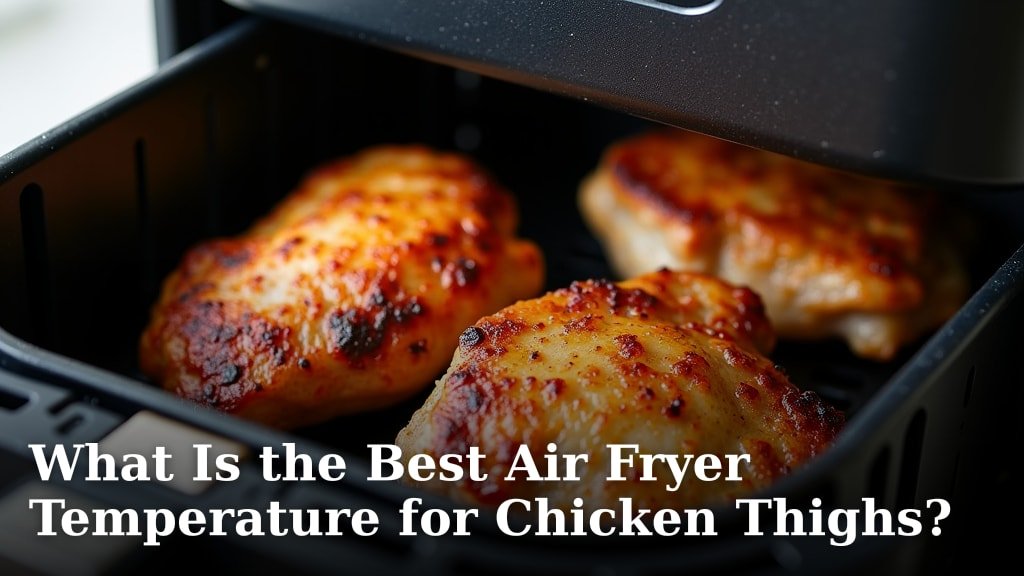
We typically find that 375-400°F (190-200°C) works well for chicken pieces. Adjust the time based on the thickness of your chicken.
For chicken thighs or breasts, it’s often around 18-25 minutes. Smaller pieces like tenders might take 12-15 minutes.
Always flip the chicken halfway through the cooking time. This ensures even browning on both sides.
Preheating Your Air Fryer
Just like a regular oven, preheating your air fryer is beneficial. A hot air fryer cooks more evenly from the start.
Give your air fryer about 5 minutes at your chosen temperature before adding the chicken. This creates an immediate crispy crust.
Marinade Types: What Works and What Doesn’t
Let’s look at some common marinade styles and how they fare in the air fryer.
| Marinade Type | Air Fryer Friendly? | Tips for Success |
|---|---|---|
| Yogurt-Based | Generally Yes | Scrape off excess before cooking. Provides tenderness. |
| Citrus & Herb | Excellent Choice | Low sugar, low oil. Pat dry well. |
| Soy-Based | Good, with care | Watch for high sodium. Pat dry. Can get sticky. |
| Honey/Maple Glaze | Use Sparingly | High sugar can burn easily. Add at the end if desired. |
| Thick BBQ Sauce | Not Recommended | Very high sugar, often burns. Best added after cooking. |
Marinade Checklist for Air Frying
- Is it low in sugar? (Avoid burning)
- Is it low in oil? (Prevents sogginess)
- Is it thin enough to coat, not glob? (Even cooking)
- Does it contain strong acids? (Helps tenderize, but don’t marinate too long)
Ensuring Food Safety
No matter how you cook chicken, safety is paramount. You want your chicken cooked thoroughly.
Always use a meat thermometer to check the internal temperature. Chicken should reach 165°F (74°C) in its thickest part (USDA).
Even if the outside looks done, the inside might not be. Trust the thermometer, not just your eyes!
Troubleshooting Common Issues
What if your air-fried marinated chicken isn’t turning out quite right?
If it’s soggy: You likely had too much moisture. Next time, pat it drier, reduce the amount of marinade, or cook in smaller batches.
If it’s burnt on the outside, raw inside: Your temperature might be too high, or pieces were too large. Try a slightly lower temperature and flip more often.
If it’s sticking: A light spray of oil on the basket or the chicken can help. Also, make sure your air fryer basket is clean.
Conclusion
Air frying wet marinated chicken is absolutely doable and can yield fantastic results. It just takes a bit of know-how and some gentle persuasion with a paper towel.
By focusing on proper prep, smart marinade choices, and good air fryer technique, you’ll be enjoying perfectly crispy, flavorful chicken every time. Don’t be afraid to experiment a little and find what works best with your favorite marinades!
Can I put frozen marinated chicken in an air fryer?
No, you should not put frozen marinated chicken directly into an air fryer. For food safety and even cooking, always thaw chicken completely before marinating and air frying. Cooking from frozen could result in unevenly cooked chicken, where the outside cooks too quickly while the inside remains raw.
How long should I marinate chicken before air frying?
The ideal marinating time depends on the chicken cut and marinade strength. For smaller pieces like tenders or thin breasts, 30 minutes to 2 hours is often enough. Larger cuts like bone-in thighs can benefit from 2-4 hours, or even overnight if the marinade isn’t too acidic. Over-marinating, especially with acidic marinades, can make chicken tough.
Do I need to add oil to the air fryer for marinated chicken?
Generally, if your marinade contains some oil, you might not need to add more. However, a very light spray of oil on the chicken or in the air fryer basket can help prevent sticking and promote crispiness, especially for leaner cuts or low-fat marinades. Avoid excessive oil, which can cause smoke and sogginess.
My marinated chicken is sticking to the air fryer basket. What can I do?
To prevent sticking, ensure your air fryer basket is clean. You can also lightly spray the basket with a high-heat cooking oil before adding the chicken. Alternatively, place a piece of parchment paper specifically designed for air fryers under the chicken, or spray the chicken pieces themselves with a thin layer of oil.
How do I know if my air-fried marinated chicken is cooked through?
The only reliable way to ensure your air-fried chicken is cooked through is by using a meat thermometer. Insert it into the thickest part of the chicken, avoiding bones. Chicken is safely cooked when it reaches an internal temperature of 165°F (74°C). The juices should run clear, but temperature is the best indicator.