How To Air Fry Frozen Beef Patties?
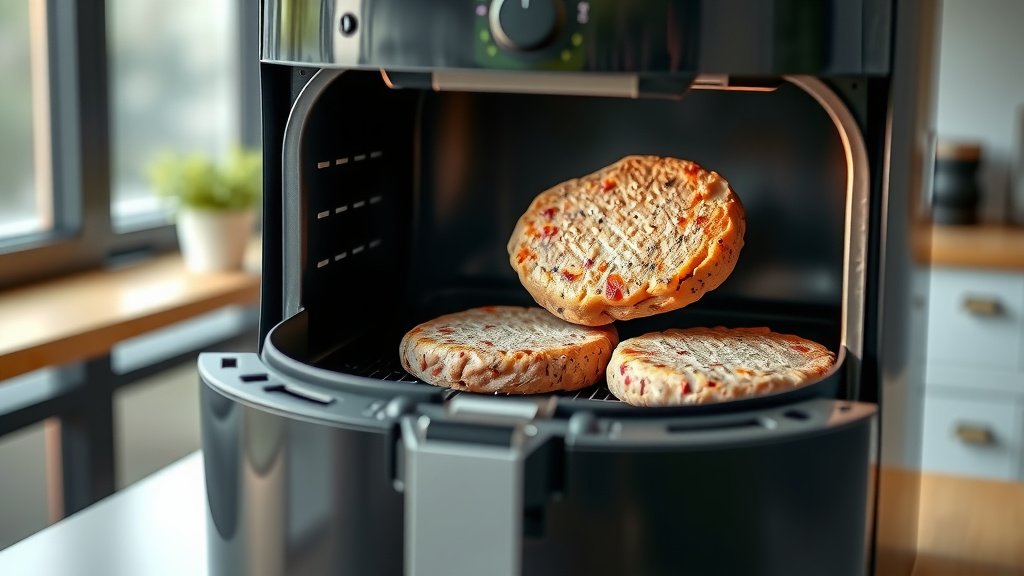
To air fry frozen beef patties, place them in a preheated air fryer at 375°F (190°C) and cook for 15-20 minutes, flipping halfway through, until an internal temperature of 160°F (71°C) is reached.
You can achieve perfectly cooked, juicy burgers straight from the freezer with minimal fuss and a beautifully crisp exterior.
TL;DR: Air frying frozen beef patties is a breeze! Here’s the gist:
- Preheat your air fryer to 375°F (190°C).
- Place frozen patties in a single layer; no thawing needed.
- Cook for about 15-20 minutes, flipping them once for even cooking.
- Always check for an internal temperature of 160°F (71°C) for safety.
- Get ready for a quick, delicious meal with less mess!
How To Air Fry Frozen Beef Patties?
Air frying frozen beef patties transforms them into a quick, convenient meal with a delicious texture. You will find that this method delivers a juicy interior and a nicely seared exterior, making dinner prep a snap.
Why Air Fry Frozen Patties?
Are you looking for a quick and easy meal solution? Air frying frozen beef patties is incredibly practical. We found it saves you time and reduces cleanup, making it a favorite for busy weeknights.
Many experts say that air frying offers a healthier cooking alternative too. You often use less oil compared to pan-frying, resulting in a less greasy burger (USDA).
The circulating hot air provides a unique crispness that’s hard to beat. You will love the way your burger develops a beautiful crust without drying out.
Gather Your Tools and Ingredients
Before you begin, make sure you have the right setup. A clean air fryer and a meat thermometer are your best friends here.
Essential Items You’ll Need
- An air fryer (basket or oven style)
- Frozen beef patties (any brand works!)
- Tongs for flipping
- Instant-read meat thermometer
- Your favorite seasonings (salt, pepper, garlic powder)
- A little cooking spray (optional, but helpful)
Prepping Your Frozen Patties
Good news! There is almost no prep required for frozen patties. You do not need to thaw them first.
Separating the Patties
Often, frozen patties are stuck together. Gently separate them if they are stacked. If they are stubborn, a butter knife can help wedge them apart.
Seasoning Your Burgers
You might think seasoning frozen patties is tricky. But it is simple! Give them a quick spray with cooking oil if you like, then sprinkle your favorite spices generously on both sides. Salt, pepper, and garlic powder are classic choices.
Air Frying Temperature and Time
This is where the magic happens. Getting the right temperature and cooking duration ensures a perfectly cooked burger.
The Ideal Air Fryer Temperature
Research often suggests that 375°F (190°C) is the sweet spot for air frying frozen beef patties. This temperature is hot enough to cook them through without burning the outside too quickly.
Cooking Time Guidelines
Cooking times can vary slightly depending on your air fryer model and the thickness of your patties. We found these ranges generally work well:
| Pattie Thickness | Approximate Cooking Time (375°F / 190°C) | Flip Halfway? |
|---|---|---|
| Thin (1/4 lb) | 14-17 minutes | Yes |
| Standard (1/3 lb) | 16-20 minutes | Yes |
| Thick (1/2 lb) | 18-22 minutes | Yes |
Always remember to flip your patties about halfway through the cooking time. This promotes even cooking and browning on both sides.
Achieving Food Safety and Doneness
Your instant-read meat thermometer is key here. Food safety is paramount, especially with ground beef.
Checking Internal Temperature
The U.S. Department of Agriculture (USDA) recommends that ground beef reach an internal temperature of 160°F (71°C). Insert the thermometer into the thickest part of the patty for an accurate reading.
Do you prefer a medium or well-done burger? For medium, aim for 140-145°F (60-63°C), but remember that the USDA advises 160°F for ground beef safety. For well-done, target 160°F (71°C) or slightly higher.
Tips for Perfectly Air Fried Burgers
Want to go from good to great? These small adjustments make a big difference.
Avoid Overcrowding the Basket
Resist the urge to cram too many patties into your air fryer. Air needs to circulate freely for even cooking. Cook in batches if necessary; it is worth the extra few minutes.
Adding Cheese for a Melty Finish
If you love cheeseburgers, add your slice of cheese during the last 1-2 minutes of cooking. This gives it just enough time to melt beautifully without burning.
Resting Your Burgers
Just like steaks, burgers benefit from a short rest. Let them sit for 2-3 minutes after cooking. This allows the juices to redistribute, leading to a moister, more flavorful patty.
Troubleshooting Common Air Frying Issues
Sometimes things do not go exactly as planned. Here are solutions to typical air frying problems you might encounter.
Burger Not Cooking Evenly?
If some parts are less cooked, try rotating the patties or flipping them more often. Also, check for proper spacing to ensure that air flows around each patty.
Is Your Burger Too Dry?
Overcooking is often the culprit for dry burgers. Make sure you are using that meat thermometer and removing them promptly at 160°F (71°C). A touch of cooking spray can also help seal in moisture.
Dealing with Smoke from Fatty Patties
Some fattier patties might produce smoke. To minimize this, add a tablespoon of water or a slice of bread under the air fryer basket liner. This can catch drips and prevent smoke.
Making it a Meal: Serving Suggestions
Your perfectly air-fried frozen beef patty is ready. What next? Pair it with classic sides!
A simple toasted bun, fresh lettuce, tomato, onion, and your favorite condiments are always a hit. Think beyond the bun too!
Quick Side Dish Ideas
- Air fryer french fries (cook these first or in a separate batch!)
- A crisp green salad with a light vinaigrette
- Sweet potato fries
- Coleslaw or potato salad
- Pickles and onion rings
Checklist for Your Best Air Fried Burger Experience
Follow these quick steps for success:
- Preheat your air fryer.
- Season frozen patties generously.
- Do not overcrowd the basket.
- Flip patties halfway through cooking.
- Use a meat thermometer for food safety.
- Add cheese in the last minute or two.
- Let burgers rest before serving.
Conclusion
Air frying frozen beef patties is a brilliant hack for delicious, quick meals. By following these simple steps—preheating, seasoning, flipping, and checking the internal temperature—you will consistently achieve juicy, perfectly cooked burgers. It truly makes mealtime less stressful and much more enjoyable for you and your family.
Frequently Asked Questions
Do I need to thaw frozen burgers before air frying?
No, you do not need to thaw frozen burgers before air frying. One of the greatest benefits of this cooking method is that you can place the patties directly from the freezer into the air fryer, making meal prep faster and more convenient.
Can I put aluminum foil in an air fryer when cooking burgers?
Yes, you can use aluminum foil in an air fryer, but do so carefully. We found it is best to place it under the food, ensuring it does not block airflow or touch the heating element. It can help with cleanup, but always leave enough space for air circulation.
How do I know if my air-fried burger is fully cooked?
The only reliable way to know if your air-fried burger is fully cooked is by checking its internal temperature with an instant-read meat thermometer. Insert it into the thickest part of the patty; it should read 160°F (71°C) for ground beef, according to USDA guidelines.
What if my air fryer starts to smoke while cooking burgers?
Smoking can occur if fat drips onto the heating element. To prevent this, many people place a small amount of water (about 1 tablespoon) or a slice of bread at the bottom of the air fryer basket, beneath the grate. This helps to absorb or catch the drips, reducing smoke.
Can I cook different types of frozen patties (e.g., turkey, veggie) in the air fryer?
Absolutely! The air fryer is versatile. You can certainly cook different types of frozen patties, such as turkey or veggie burgers. Just be aware that cooking times and safe internal temperatures will vary for each type, so adjust accordingly and always use a meat thermometer.