
What Is the Best Way to Season Vegetables Before Air Frying?
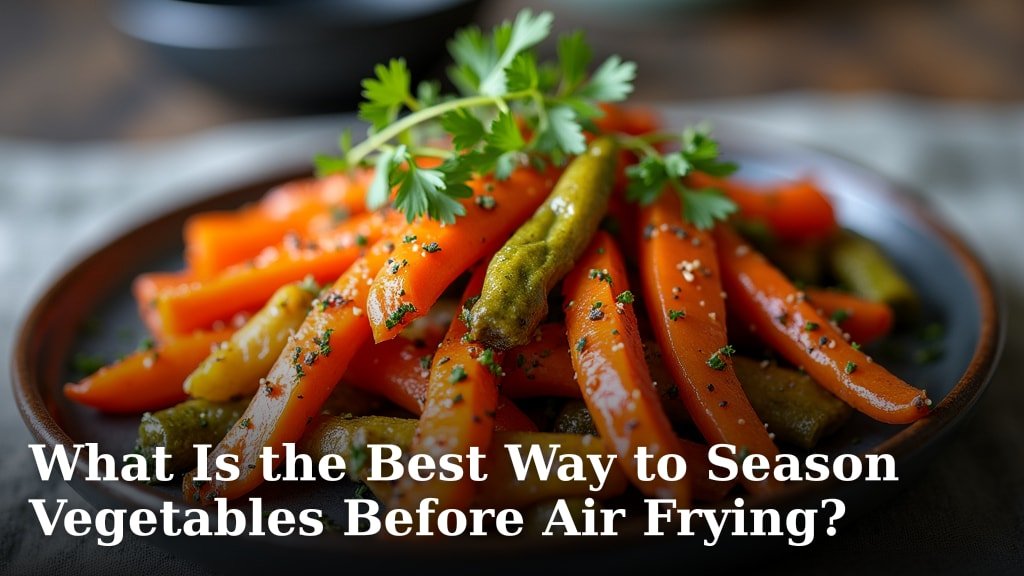
The best way to season vegetables before air frying is to toss them with a light coating of oil and your favorite spices. This simple step helps create that delicious, crispy exterior you love. For the crispiest results, ensure the vegetables are evenly coated.
Getting your veggies just right in the air fryer is all about preparation. A good seasoning blend can transform ordinary broccoli or carrots into a crowd-pleasing side dish. We found that the right balance of salt, herbs, and even a touch of sweetness makes all the difference.
- Use oil for crispiness.
- Don’t forget salt and pepper.
- Experiment with herbs and spices.
- A little sweetness can enhance flavor.
Ready to make your air fryer vegetables sing? Let’s walk through how to season them perfectly.
Getting the Best Flavor for Your Air Fryer Veggies
Seasoning vegetables before air frying is a simple process. It makes a huge difference in taste and texture. The goal is to create a delicious coating that crisps up nicely. You want your vegetables to be flavorful and appealing, not bland or boring.
The Foundation: Oil and Seasoning
The absolute best way to season vegetables for the air fryer starts with a good base. This usually involves a bit of oil and your chosen spices. This combination helps everything stick. It also aids in achieving that perfect crispy edge we all love.
Choosing the Right Oil
You have a few options when it comes to oil. Many people reach for olive oil. It’s a classic choice that works well. You can also use avocado oil, which has a high smoke point. This means it won’t burn easily in the hot air fryer. Vegetable oil or canola oil are budget-friendly choices too. Just a light drizzle is all you need. Too much oil can make your veggies soggy instead of crisp.
The Role of Salt and Pepper
Don’t forget the basics: salt and pepper. Salt is a flavor enhancer. It brings out the natural sweetness in vegetables. Pepper adds a little bit of warmth and bite. Even a simple sprinkle of these two can make a big impact. Many guidelines suggest using about 1/2 teaspoon of salt per pound of vegetables. You can always add more after cooking if needed. Research from culinary science sites often highlights salt’s essential role in balancing flavors.
Building Flavor: Herbs and Spices
Once you have your oil, salt, and pepper, it’s time to get creative! This is where you can really make your vegetables shine. Think about the flavors you enjoy. What kind of dish are you making? This can guide your spice choices.
Classic Herb Combinations
Some herb pairings are tried and true. For a Mediterranean feel, try oregano, basil, and a pinch of garlic powder. This blend works wonders on zucchini and bell peppers. If you’re going for a more robust flavor, rosemary and thyme are excellent. They pair perfectly with root vegetables like potatoes and carrots.
Spicy and Savory Options
Want a little kick? Paprika (sweet or smoked) adds a beautiful color and flavor. Cumin brings an earthy, warm note. For heat, consider cayenne pepper or red pepper flakes. Many people find that a touch of onion powder adds a savory depth without chopping onions. These spices can transform simple green beans or Brussels sprouts into something special.
A Touch of Sweetness
Sometimes, a little sweetness can really balance out savory or slightly bitter vegetables. A tiny bit of sugar or maple syrup can work wonders. This is especially true for root vegetables like sweet potatoes or parsnips. It helps them caramelize beautifully in the air fryer. Be careful not to overdo it, though. You don’t want your vegetables to taste like candy!
The Best Method for Applying Seasonings
How you apply your seasonings matters just as much as what you use. The key is even distribution. Uneven seasoning means some bites will be flavorless and others might be too salty.
The Bowl Method: Your Go-To Technique
The most effective method is the bowl method. Start with a large mixing bowl. Place your prepared vegetables inside. Drizzle them with your chosen oil. Then, sprinkle your salt, pepper, and other seasonings over the top. Now, gently toss everything together. You want to make sure every piece gets a light coating. Use your hands or a large spoon for this. Ensure there are no dry spots.
Getting Every Surface Coated
It’s important that each vegetable piece is lightly covered. This ensures even cooking and consistent flavor. Think of it like painting – you want to get into all the nooks and crannies. If you’re using leafy greens like kale, you might need to gently massage the oil and seasonings into the leaves. This helps them crisp up without burning.
Avoiding Overcrowding Your Air Fryer
Here’s a tip that goes hand-in-hand with seasoning: don’t overcrowd the air fryer basket. When you pack too many vegetables in, they steam instead of crisp. This prevents the seasonings from really adhering well. It also leads to uneven cooking. We found that cooking in batches ensures everything gets that golden-brown, delicious finish.
When to Season
Most experts agree that seasoning just before air frying is ideal. This prevents salt from drawing out too much moisture from the vegetables beforehand. This moisture can lead to sogginess. Some rubs, especially those with sugar, might benefit from sitting for a few minutes. But for most general seasonings, direct application before cooking is best.
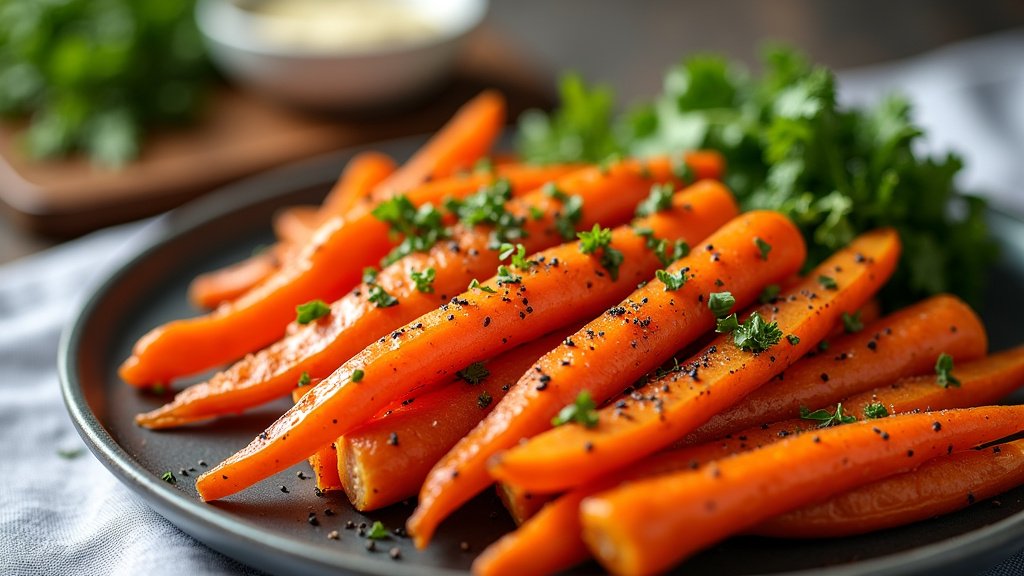
Popular Seasoning Blends to Try
Ready to experiment? Here are a few popular and delicious seasoning blends that we’ve found work exceptionally well.
A Simple Cheat Sheet for Flavor
This table offers quick ideas for different flavor profiles:
| Vegetable Type | Oil Choice | Herbs & Spices | Extra Touch |
|---|---|---|---|
| Root Vegetables (Potatoes, Carrots) | Olive Oil or Avocado Oil | Rosemary, Thyme, Garlic Powder, Paprika | Pinch of Sugar for caramelization |
| Cruciferous Veggies (Broccoli, Cauliflower) | Olive Oil or Canola Oil | Garlic Powder, Onion Powder, Salt, Pepper | A squeeze of lemon juice after cooking |
| Bell Peppers & Onions | Vegetable Oil or Avocado Oil | Cumin, Chili Powder, Oregano | Smoked Paprika for depth |
| Zucchini & Summer Squash | Olive Oil | Italian Seasoning, Dill, Garlic Powder | A sprinkle of Parmesan cheese (optional, add near end) |
Quick Flavor Checklist for Your Next Batch
Here’s a simple checklist to keep in mind:
- Prep your veggies: Wash and chop them into uniform sizes.
- Choose your oil: A light coating is all you need.
- Add salt and pepper: Essential for basic flavor.
- Grab your favorite spices: Think herbs, paprika, or garlic powder.
- Toss well: Ensure every piece is evenly coated.
- Cook in batches: Don’t overcrowd the air fryer basket.
Following these steps will help you achieve perfectly seasoned and delightfully crispy vegetables every time. It’s all about that careful preparation.
Conclusion
You’ve learned that mastering air fryer vegetables is all about a simple, well-executed seasoning process. By starting with the right oil and building flavor with balanced salt, pepper, herbs, spices, and even a touch of sweetness, you create the foundation for crispy perfection. Remember, the bowl method for tossing and avoiding an overcrowded air fryer are your keys to consistent results. Now, go ahead and try out those delicious flavor combinations—your air fryer is ready for its next flavorful adventure!
Frequently Asked Questions
Can I season vegetables in a plastic bag instead of a bowl?
Yes, you can absolutely use a resealable plastic bag. It’s a great alternative to a bowl, especially for smaller batches or if you want minimal cleanup. Just add your chopped veggies, oil, and seasonings to the bag, seal it tightly, and shake gently until everything is evenly coated.
What’s the best way to season frozen vegetables for the air fryer?
For frozen vegetables, it’s crucial to pat them very dry after thawing, or if air frying directly from frozen, ensure they aren’t covered in ice crystals. Then, you can proceed with oil and seasonings just as you would with fresh vegetables. Some find that frozen veggies absorb seasoning a bit differently, so you might adjust amounts slightly.
Should I season my vegetables before or after air frying?
Generally, you should season your vegetables before air frying. This allows the oil and seasonings to adhere to the surface, promoting crisping and even flavor distribution during cooking. Seasoning after might result in a less even coating and flavor.
Can I use pre-made spice blends for air fryer vegetables?
Absolutely! Pre-made spice blends like Italian seasoning, taco seasoning, or even a simple garlic herb blend can be fantastic shortcuts. Just be mindful of the salt content in commercial blends and adjust your added salt accordingly to avoid making your vegetables too salty.
How much oil is too much oil for air fryer vegetables?
Using too much oil is a common pitfall that leads to soggy vegetables. You only need a light coating, usually 1-2 tablespoons per pound of vegetables. The oil should lightly coat each piece, not pool at the bottom of the bowl or basket, as this will prevent proper crisping.
