
Why Is My Air Fryer Basket Not Non-stick Anymore?
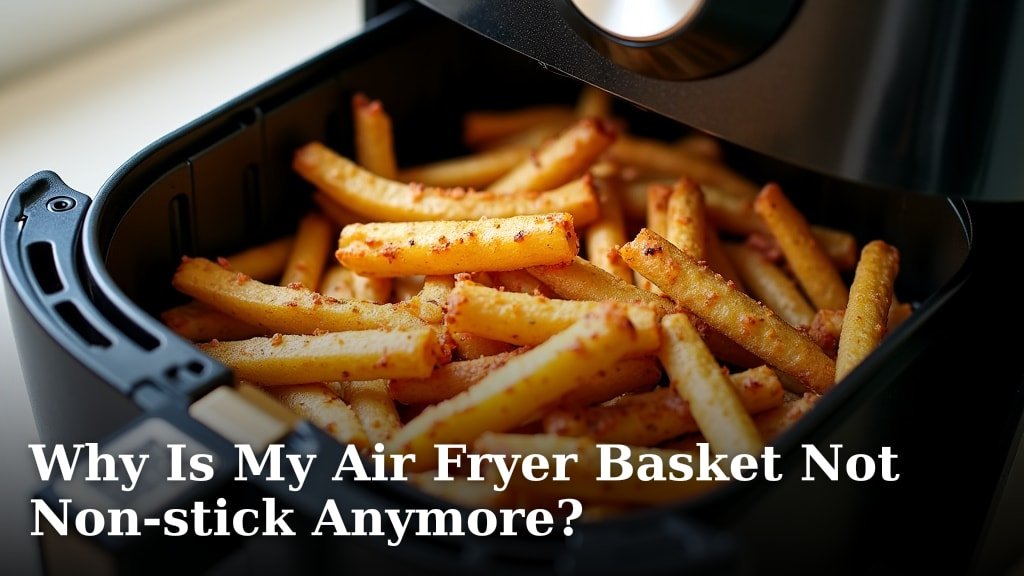
Your air fryer basket isn’t non-stick anymore primarily because of wear and tear from cooking and cleaning. The non-stick coating can degrade over time, especially with harsh scrubbing or high heat. This loss of non-stick quality is a common issue, but you can often manage it with the right care.
Several factors contribute to this frustrating problem. Using metal utensils or abrasive cleaners can scratch away the coating. Even everyday cooking oils, when overheated repeatedly, can form a sticky residue that mimics a failed coating. We’ve found that understanding these causes helps prevent future issues.
- Non-stick coatings wear out from normal cooking and cleaning.
- Harsh scrubbing or metal utensils damage the surface.
- Overheated oils can create a sticky, burnt-on layer.
- Improper cleaning is a major culprit.
Let’s dive into why your air fryer’s once-slick basket might be staging a rebellion and what you can do about it.
It’s frustrating, isn’t it? You pull out your air fryer, ready to whip up some crispy wings or perfectly roasted veggies, and the food sticks like it’s glued down. That once-slippery basket now feels more like a wrestling mat for your ingredients. Don’t worry, this is a super common issue that many air fryer owners face.
Understanding Your Air Fryer Basket’s Non-Stick Woes
So, what’s really going on when your air fryer basket loses its non-stick magic? It boils down to the delicate coating that gives it that slick surface. This coating isn’t invincible. Think of it like the paint on your car; with enough exposure, it can start to fade or chip.
The primary reason your air fryer basket isn’t non-stick anymore is the gradual degradation of its coating. This coating is typically a type of polytetrafluoroethylene (PTFE), often known by the brand name Teflon. It’s designed to prevent food from adhering to the surface. However, this coating can break down over time due to heat, friction, and exposure to certain substances.
The Science Behind the Stick: Coating Breakdown
Your air fryer works by circulating hot air at high speeds. While this creates delicious results, it’s also a demanding environment for the non-stick surface. Repeated exposure to high temperatures, especially uneven heating, can weaken the chemical bonds within the coating. Over time, this makes it less effective at repelling food.
Furthermore, microscopic cracks and imperfections can develop. These tiny faults become areas where food particles can lodge. Once food sticks, it becomes harder to remove, leading to more aggressive cleaning, which further damages the coating. It’s a bit of a vicious cycle that many users find themselves in.
Common Culprits Beyond Normal Wear and Tear
While age and use are natural factors, certain practices can drastically speed up the demise of your air fryer’s non-stick coating. These are often the silent killers that we don’t even realize we’re doing.
The Metal Utensil Menace
This is a big one. Using metal tongs, spatulas, or forks directly in your air fryer basket is like sandpaper on a delicate surface. The friction from these hard materials can scratch and gouge the non-stick coating, creating permanent damage. Even if you think you’re being careful, tiny scratches add up. Many appliance manuals specifically warn against this practice.
Abrasive Cleaning Agents and Tools
We all want our air fryers clean, but sometimes our cleaning methods are too harsh. Steel wool, abrasive sponges, and scouring powders are the enemies of non-stick coatings. They literally scrub away the protective layer. Even some dish soaps, when used with a rough sponge, can contribute to the wear. Experts recommend using soft cloths or non-scratch sponges for cleaning.
The Overheated Oil Issue
It might seem counterintuitive, but cooking with too much oil, or allowing oil to get excessively hot, can cause problems. When oil overheats, it can break down and form a sticky, burnt residue. This residue bonds to the basket surface. It’s not necessarily the coating failing, but a stubborn layer of burnt-on food particles. This layer can be incredibly difficult to remove without damaging the underlying coating.
Many guidelines point to consistent, high heat as a factor in oil degradation (National Institute of Standards and Technology). When this happens repeatedly in your air fryer basket, that burnt-on gunk becomes a persistent problem.
Dishwasher Dangers
While some air fryer baskets are labeled as dishwasher safe, it’s often not the best choice for maintaining the non-stick coating. The high heat, harsh detergents, and vigorous water jets in a dishwasher can be quite aggressive. Over time, this can erode the coating more quickly than hand washing. We found that hand washing is generally recommended for longevity.
If your manual says it’s dishwasher safe, use the gentle cycle and mild detergent. But if you’re noticing stickiness, consider switching to hand washing as a first step to troubleshoot.
What Does Burnt-On Residue Look Like?
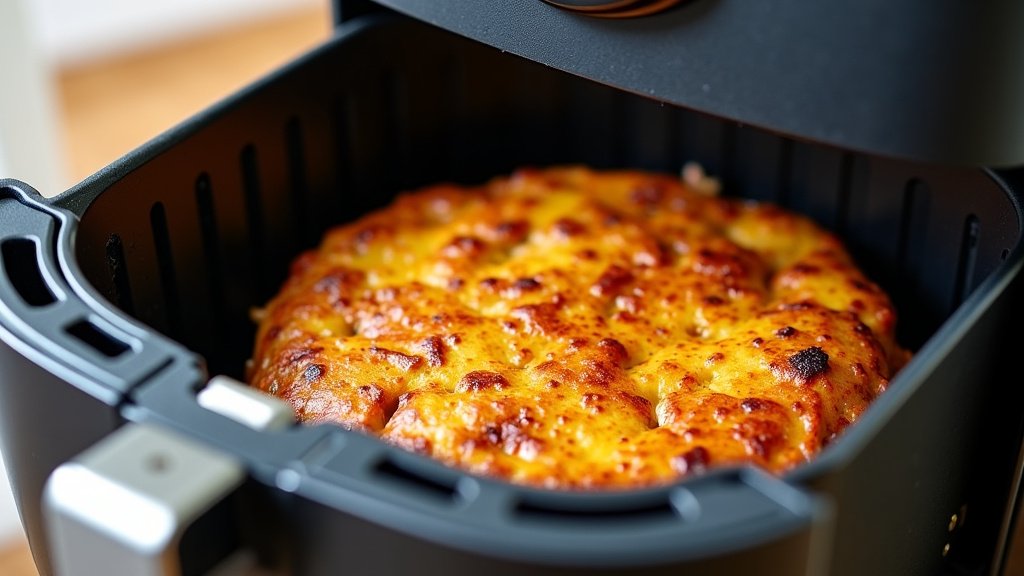
Sometimes, stickiness isn’t a sign that the coating is completely gone, but rather that a stubborn layer of food and oil has built up. This residue often appears as a brownish or blackened film that’s stuck fast to the basket. It might feel slightly gritty or tacky. If you can’t scrape it off easily with your fingernail or a soft sponge, it’s likely burnt-on residue.
The key difference here is that while the coating might be intact underneath, this layer effectively prevents food from sliding off. It’s like adding a layer of glue to your non-stick pan. Understanding this distinction helps in deciding how to tackle the problem.
Restoring Your Air Fryer Basket’s Performance
Okay, so your basket is sticky. Before you despair and consider buying a new one, there are a few things you can try. These methods aim to remove that stubborn residue without further damaging the coating.
The Gentle Cleaning Approach
Start with the basics. Always ensure your air fryer basket is completely cool before cleaning. Use warm, soapy water and a soft cloth or non-scratch sponge. Gently scrub the affected areas. For tougher spots, try letting the basket soak in warm, soapy water for about 15-20 minutes. This can help loosen food particles.
Baking Soda Paste for Stubborn Spots
If soap and water aren’t cutting it, a baking soda paste can be very effective. Mix baking soda with a little water to form a thick paste. Apply this paste to the sticky areas and let it sit for 15-30 minutes. Baking soda is a mild abrasive that can help lift burnt-on food without scratching. After it sits, gently scrub with a soft sponge or cloth and rinse thoroughly. We found this method to be quite successful for many users.
Vinegar Power (with Caution!)
Vinegar is another common household cleaner that can help break down grease and grime. You can try a soak or a gentle scrub with diluted vinegar. Mix equal parts white vinegar and water. Some suggest heating this mixture slightly (but not boiling) in the basket, letting it sit, and then scrubbing gently. However, some sources advise against prolonged exposure to strong acids like vinegar on non-stick surfaces, as it might contribute to degradation over long periods. Use this method sparingly and rinse very well.
When to Reconsider Your Cooking Habits
Preventing future stickiness is just as important as cleaning the current mess. Reviewing how you use your air fryer can make a big difference. Think about your cooking routine and whether any of these habits might be contributing to the problem.
The Right Kind of Oil (and Amount)
If you use oil, opt for varieties with a high smoke point, like avocado oil, grapeseed oil, or canola oil. Avoid extra virgin olive oil for high-heat air frying, as it can burn easily. Use oil sparingly. A light spray or brushing is usually enough. Too much oil can pool and burn, creating that sticky residue we talked about.
Preheating Wisely
Most air fryers benefit from preheating. This ensures even cooking and helps prevent sticking. However, ensure you’re not preheating with oil already in the basket, especially if it’s an oil with a low smoke point. Preheating the empty basket for a few minutes (as per your manual’s instructions) is typically best.
Letting It Cool Down
Avoid plunging a hot air fryer basket into cold water. The sudden temperature change can warp the metal and potentially damage the non-stick coating. Always let the basket cool down to a safe temperature before cleaning.
Here’s a quick checklist to help you keep your air fryer basket in top shape:
- Always use soft cloths or non-scratch sponges for cleaning.
- Never use metal utensils inside your air fryer basket.
- Avoid abrasive cleaners and scouring pads.
- Use oils with high smoke points sparingly.
- Hand wash the basket whenever possible, even if dishwasher safe.
- Allow the basket to cool before cleaning.
By understanding the common causes of non-stick failure and adopting gentler cleaning and cooking practices, you can extend the life of your air fryer basket and enjoy those perfectly crispy foods without the stickiness.
Conclusion
You’ve learned that your air fryer basket’s stickiness isn’t usually a death sentence. It’s often the result of normal wear, but certain habits can speed up the process. We’ve seen how harsh scrubbing, metal tools, and overheated oils contribute to that frustrating buildup. The good news is, gentle cleaning and mindful cooking can restore its performance. Your next step is simple: try the baking soda paste method for stubborn spots, and commit to using only soft sponges and avoiding metal utensils. This small change can make a big difference in keeping your air fryer working like new!
Frequently Asked Questions
Can I still use my air fryer if the basket is no longer non-stick?
Yes, you can often still use your air fryer. Food might stick more, making cleanup harder. You can try using a light layer of cooking spray or parchment paper liners designed for air fryers to help prevent sticking. Consider using parchment paper liners designed for air fryers to help prevent sticking.
How often should I deep clean my air fryer basket?
You don’t need to deep clean it often. A quick wash after each use is best. If you notice stubborn residue building up, a gentle deep clean using baking soda paste once a month or as needed should suffice.
Is it safe to cook with a slightly scratched non-stick coating?
Generally, yes, for minor scratches. If the coating is heavily scratched or peeling, it’s best to consider replacing the basket. Tiny scratches might not affect performance much, but deeper ones can lead to more sticking.
Will using cooking spray ruin my non-stick basket?
Using cooking spray *sparingly* is usually fine for most modern air fryer baskets. However, some manufacturers advise against it, as certain sprays can build up residue over time. Always check your air fryer’s manual for specific recommendations.
How can I tell if my non-stick coating is completely gone or just has residue?
If you’ve tried gentle cleaning methods and the stickiness remains, and you see a dull, discolored film that won’t budge, it’s likely the coating has degraded. If a baking soda paste or soak loosens the residue, it was likely just burnt-on food and oil.
