
How Much Oil Should I Use Per Batch in an Air Fryer?
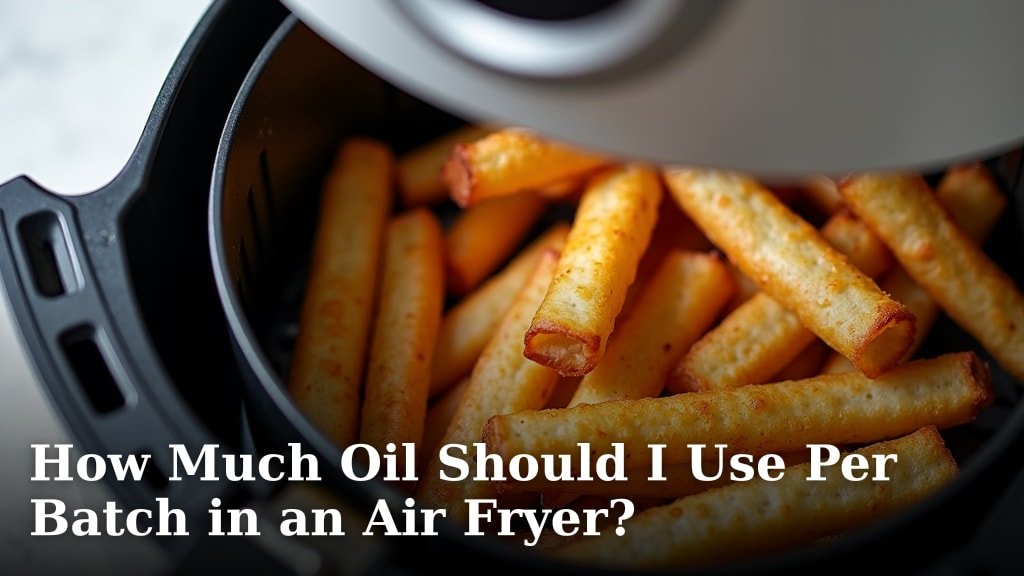
You generally need very little oil for your air fryer. In most cases, just 1 teaspoon to 1 tablespoon per batch is enough to get crispy results. Too much oil can actually make your food greasy and less healthy.
The air fryer works by circulating hot air. This process mimics deep frying without submerging food in oil. So, while a bit of oil helps with browning and crisping, you don’t need a lot. Many recipes even call for no added oil at all!
- Most recipes need only 1 tsp to 1 tbsp of oil.
- Air fryers use hot air, not oil, for crisping.
- Using too much oil can make food greasy.
- Some foods don’t need any oil at all.
Let’s walk through exactly how much oil to use for different foods in your air fryer.
Figuring Out Your Air Fryer Oil Needs
You might be wondering, “Just how much oil do I really need for my air fryer?” It’s a great question! Think of your air fryer as a super-powered convection oven. It uses a fan to blast hot air all around your food. This makes things crispy, just like frying. But, you don’t need to drown your food in oil to achieve that crispiness.
Generally, you’ll find that a little goes a long way. We’re talking about amounts that sound almost too small to matter. But trust us, they do! Too much oil can actually make your food soggy and less healthy than you’d hope. Let’s break down what works best for different types of food.
The Role of Oil in Air Frying
So, why use oil at all if the air fryer is so good at crisping? Oil helps in a few key ways. It aids in browning, giving your food that appealing golden color. It also contributes to a satisfying crispy texture on the outside. Plus, a little bit of oil can help seasonings and spices stick better to your food.
Some air fryer recipes might even skip oil entirely. This is often true for foods that already have a good amount of fat, like chicken wings or bacon. The natural fats from these foods render out and help crisp them up. So, it’s not always a one-size-fits-all rule.
Understanding Your Air Fryer’s Mechanism
Remember, the air fryer’s magic is in its ability to circulate hot air rapidly. This hot air surrounds the food, cooking it evenly and efficiently. It’s like having a mini convection oven that’s incredibly effective at drying out the surface of food. This surface drying is what leads to crispiness.
The oil acts as an enhancer to this process. It’s not the primary cooking medium like in deep frying. Instead, it helps the hot air do its job even better. It’s like adding a little polish to make things shine and crisp up beautifully.
General Guidelines for Oil Usage
As a general rule, aim for 1 teaspoon to 1 tablespoon of oil per batch for most foods. This is a wide range, and we’ll get into specifics for different items. It’s always better to start with less oil and add a tiny bit more if you feel it’s needed. You can always add, but you can’t easily take it away!
Many users find success by lightly spraying their food or the basket with cooking spray. This distributes a very fine mist of oil. Other popular methods include tossing food in a bowl with a measured amount of oil. This ensures even coating.
Measuring Your Oil Effectively
Using measuring spoons is your best friend here. A teaspoon (tsp) is a small amount, perfect for delicate items or when you’re just getting started. A tablespoon (tbsp) is a bit more, suitable for heartier foods or when you want extra crispiness. Don’t eyeball it, especially when you’re learning!
If you’re using a spray bottle, look for ones designed for cooking oil. They create a finer mist than aerosol cans, which often contain propellants that can damage your air fryer. A simple trigger spray bottle filled with your preferred oil works wonders.
When to Use More or Less Oil
When should you lean towards the tablespoon, and when is a teaspoon enough? Foods that are naturally a bit drier might benefit from a touch more oil. Think of things like potatoes or chicken breast. They have less natural moisture or fat.
Conversely, foods that are already oily or moist, like salmon or certain frozen snacks, might need very little or no added oil. Over-oiling these items can lead to a greasy outcome and a smoky basket. So, always consider the food itself.
Specific Food Recommendations for Oil
Let’s get down to the nitty-gritty for common air fryer favorites. This will help you know exactly where to start with your oil measurements.
Vegetables
For most vegetables, like broccoli, Brussels sprouts, or bell peppers, start with 1 to 2 teaspoons of oil per batch. Toss them in a bowl with the oil before placing them in the air fryer basket. This helps coat them evenly for great crisping. Tossing vegetables in oil before air frying helps ensure they achieve great crisping.
Root vegetables, such as potatoes for fries or sweet potatoes, might handle a little more. You might use 1 tablespoon of oil for a generous batch of fries. This helps them get that classic crispy exterior we all love. Some sources suggest that for fries, coating them well with oil is key to their texture (USDA FoodData Central).
Meats and Poultry
When air frying chicken wings, you might find you need no added oil at all. The skin renders fat, which helps them crisp up beautifully. If you want to add a bit more flavor, a light brushing of oil after cooking is an option.
For chicken breast or pork chops, 1 to 2 teaspoons of oil is usually sufficient. You can brush it on or toss the pieces in a bowl. This helps prevent them from drying out and promotes browning. For burgers, you might use a light spray or 1 teaspoon.
Seafood
Fish like salmon or cod often doesn’t need any added oil. They have natural oils that will help them cook. You can season them directly. If you’re concerned about sticking, a very light spray of oil on the basket or a drizzle of 1/2 teaspoon on the fish might be all you need.
Shrimp cooks very quickly. A light coating of 1 teaspoon of oil, mixed with seasonings, is plenty. This helps the seasonings adhere and gives the shrimp a nice finish without making them greasy.
Frozen Foods
Many frozen items, like fries, chicken nuggets, or mozzarella sticks, are already coated in oil or have oil in their breading. For these, you typically need no added oil. In fact, adding more can make them excessively greasy and less appealing.
Just place them directly in the air fryer basket. The hot air will do the work of crisping up the pre-made coating. Over-oiling these can sometimes lead to them looking a bit soggy.
Baked Goods and Reheating
For things like reheating pizza or French fries, you generally need no oil. The goal is to crisp up existing textures. Adding oil might make them greasy.
When baking small items like cookies or muffins, you might lightly grease the basket or use parchment paper. This typically doesn’t involve adding oil directly to the batter itself, unless a specific recipe calls for it.
Tips for Success with Air Fryer Oil
Here are a few extra pointers to help you master oil usage in your air fryer:
- Start low and go slow: Always begin with the minimum recommended oil. You can always add more later if needed.
- Choose the right oil: Use oils with a medium to high smoke point, such as avocado oil, canola oil, or vegetable oil. Extra virgin olive oil can be used, but be mindful of its lower smoke point.
- Preheat your air fryer: Many recipes benefit from a preheated basket. This helps food start cooking and crisping immediately.
- Don’t overcrowd the basket: Proper airflow is key to crispiness. Overcrowding can lead to uneven cooking and greasy food, regardless of oil amount.
- Clean your air fryer regularly: Leftover oil and food particles can build up and cause smoking or affect the taste of your food.
- Consider oil sprayers: For a very light and even coating, a refillable oil sprayer is an excellent tool.
When to Skip Oil Entirely
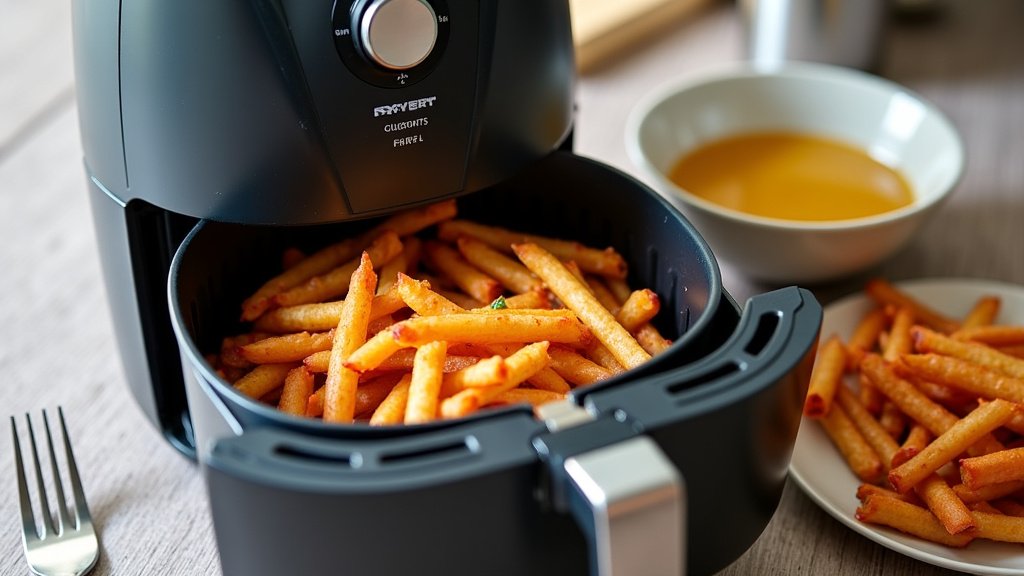
There are times when reaching for the oil bottle is unnecessary. Foods that already contain a good amount of fat are prime candidates for going oil-free. Think about:
- Bacon
- Chicken wings (if you prefer a less greasy result)
- Sausage
- Fatty cuts of meat
- Most pre-made frozen snacks (check packaging)
These items release their own oils during cooking, which helps them crisp up. You’ll find that you can achieve great results without adding any extra fat, making your air-fried meals even healthier.
A Quick Reference Table
Here’s a handy guide for common foods. Remember these are starting points!
| Food Item | Suggested Oil Amount (per batch) | Notes |
|---|---|---|
| French Fries (fresh) | 1 tbsp | Toss well for even crisping. |
| Broccoli/Asparagus | 1-2 tsp | Toss in a bowl. |
| Chicken Breast/Thighs | 1-2 tsp | Brush on or toss. |
| Chicken Wings | 0 tsp (or light spray) | Skin renders its own fat. |
| Salmon/Fish | 0-1/2 tsp (or light spray) | Natural oils present. |
| Frozen Fries/Nuggets | 0 tsp | Already coated. |
Your Air Fryer Oil Checklist
Before you start cooking, run through this quick checklist:
- Check your recipe: Does it specify an oil amount?
- Consider the food: Is it naturally fatty or dry?
- Start with less oil: You can always add more.
- Use a measuring tool: Spoons or a sprayer ensure accuracy.
- Don’t overcrowd the basket: Airflow is your friend!
- Taste and adjust: Next time, tweak the oil based on your results.
Conclusion
Mastering your air fryer oil usage is simpler than you might think!
You’ve learned that a little oil goes a long way, typically ranging from just 1 teaspoon to 1 tablespoon per batch. Remember, your air fryer’s hot air circulation does most of the heavy lifting for crispiness.
Pay attention to the food you’re cooking; naturally fatty items might need no added oil at all. For your next air fryer adventure, start with the minimum oil suggested and see what results you get. You’ve got this!
Frequently Asked Questions
Can I use cooking spray in my air fryer?
Yes, you can use cooking spray, but opt for refillable spray bottles instead of aerosols. Aerosol cans often contain propellants that can damage your air fryer’s non-stick coating over time. A good quality oil sprayer provides a fine, even mist for consistent results.
What type of oil is best for air frying?
It’s best to use oils with a medium to high smoke point. Good options include avocado oil, canola oil, vegetable oil, or grapeseed oil. While extra virgin olive oil can be used sparingly, its lower smoke point means it can burn more easily at high air fryer temperatures.
How do I know if I’ve used too much oil?
If your food comes out greasy, soggy, or you notice a lot of smoke coming from the air fryer, you’ve likely used too much oil. This happens because excess oil can pool and make the food less crispy. You might also see oil dripping into the drip pan.
Is it okay to put oil directly on the food instead of in the basket?
Absolutely! Many people prefer to toss their food in a bowl with the oil or brush it directly onto the food before placing it in the air fryer. This method helps ensure a more even coating compared to just pouring oil into the basket.
Do frozen foods always need zero oil?
Most frozen foods, like fries, nuggets, or spring rolls, are pre-coated with oil and seasonings. Adding more oil can make them overly greasy and less appealing. It’s generally best to put them directly into the air fryer basket without any extra oil.
