
Is It Safe to Give Air-fried Food to Babies and Toddlers?
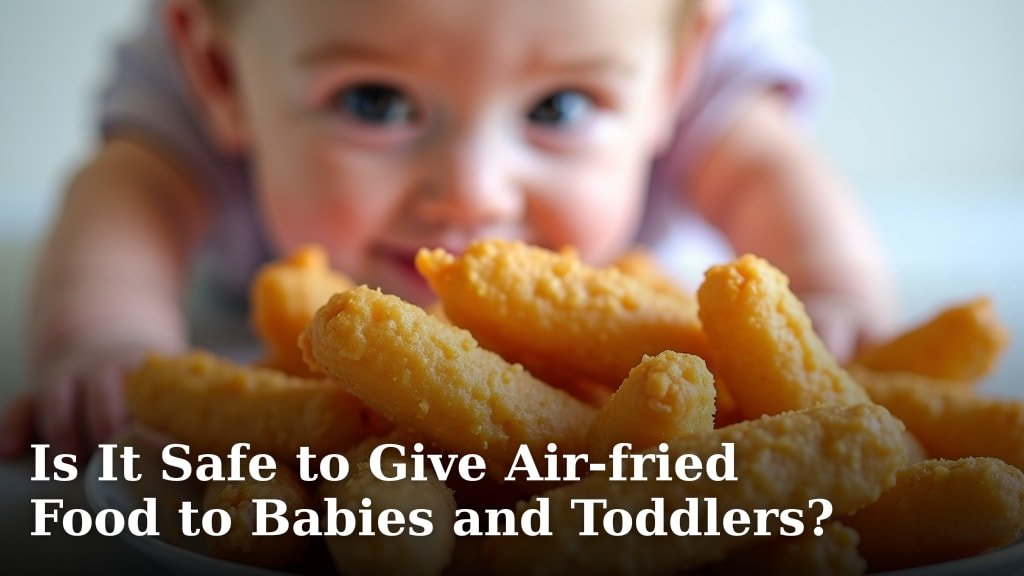
Yes, it is generally safe to give air-fried food to babies and toddlers, as long as it’s prepared properly. Air frying uses hot air to cook food, mimicking the crispiness of deep frying with much less oil. You’ll want to ensure the food is cooked thoroughly and cut into safe, manageable pieces for your little one.
Many parents are looking for healthier cooking methods for their families. Air frying offers a convenient way to prepare foods your child might love, like chicken nuggets or fries, in a way that can be healthier than traditional frying. We found that it’s a popular choice for busy households seeking quick and easy meals.
- Air frying is generally safe for babies and toddlers.
- Ensure food is fully cooked and cut into safe sizes.
- It uses less oil than deep frying, making it a healthier option.
- Always supervise your child while they eat.
Let’s walk through exactly why air-fried foods can be a good option for your little ones and what you need to keep in mind.
Air Frying for Little Eaters: Is It a Safe Bet?
You’re probably wondering if that handy air fryer in your kitchen is a good choice for your baby or toddler. The short answer is yes! Air frying can be a wonderful way to prepare foods for your little ones. It uses circulating hot air to cook food, making it crispy without all the greasy oil you’d find with deep frying. We found that this method is a hit with many parents looking for healthier meal options.
Think about your child’s favorite snacks. Many can be made in the air fryer. This means you can offer them treats like “fries” or “nuggets” with less worry about excess fat. It’s a method that can help you introduce new textures and flavors in a familiar, appealing way. We’ve seen that this can be especially helpful when dealing with picky eaters.
Understanding the Air Frying Process for Baby Food
So, how does air frying actually work its magic? It’s pretty simple, really. Your air fryer is essentially a small, powerful convection oven. It blasts hot air all around your food. This rapid circulation cooks the food evenly and creates that desirable crispy exterior. It’s much faster than baking and uses way less oil than traditional frying.
Less Oil, More Goodness
One of the biggest advantages of air frying for babies and toddlers is the reduced oil content. Deep-fried foods can be high in unhealthy fats. This is something most parents want to limit for their young children. Air frying uses only a teaspoon or so of oil, or sometimes none at all, to get that crunchy texture. This means you’re serving up meals with fewer calories and less saturated fat. Research has shown that a diet low in unhealthy fats is important for early childhood development (USDA). This makes air frying a smart choice for creating healthier versions of popular foods.
Texture and Appeal for Young Palates
Babies and toddlers often respond well to different textures. The crispiness achieved through air frying can be very appealing to them. It’s a way to make vegetables, like sweet potato fries or broccoli florets, more exciting. This method can also make lean proteins, like chicken breast, tender on the inside and slightly crisp on the outside. We found that this textural contrast can help children explore and accept new foods more readily. It’s a gentle way to introduce them to a world of flavors and fun food experiences.
Safety First: What You Need to Know
While air frying is generally safe, there are a few key things to keep in mind to ensure your little one’s meal is both delicious and safe. Just like any cooking method, proper preparation is key. We want to make sure every meal is a good one!
Cook It Through: Avoiding Undercooked Foods
This is non-negotiable for any food given to babies and toddlers. Undercooked food, especially meats and poultry, can contain harmful bacteria. Air frying can sometimes cook the outside quickly, giving a false impression of doneness. Always check that the food is cooked all the way through. For chicken, the internal temperature should reach 165°F (74°C). For other items, ensure there’s no pinkness and the juices run clear. We found that using a meat thermometer is the most reliable way to be sure. Using a meat thermometer to check for safe internal temperatures is the most reliable way to ensure food is cooked through.
Internal Temperature Checks
Don’t guess! An instant-read thermometer is your best friend here. Insert it into the thickest part of the food. For chicken nuggets, check the center of a few pieces. For vegetables, ensure they are tender enough to mash easily. The CDC recommends cooking all meats to safe internal temperatures to prevent foodborne illnesses. This simple step is one of the most important for ensuring safety.
Size Matters: Preventing Choking Hazards
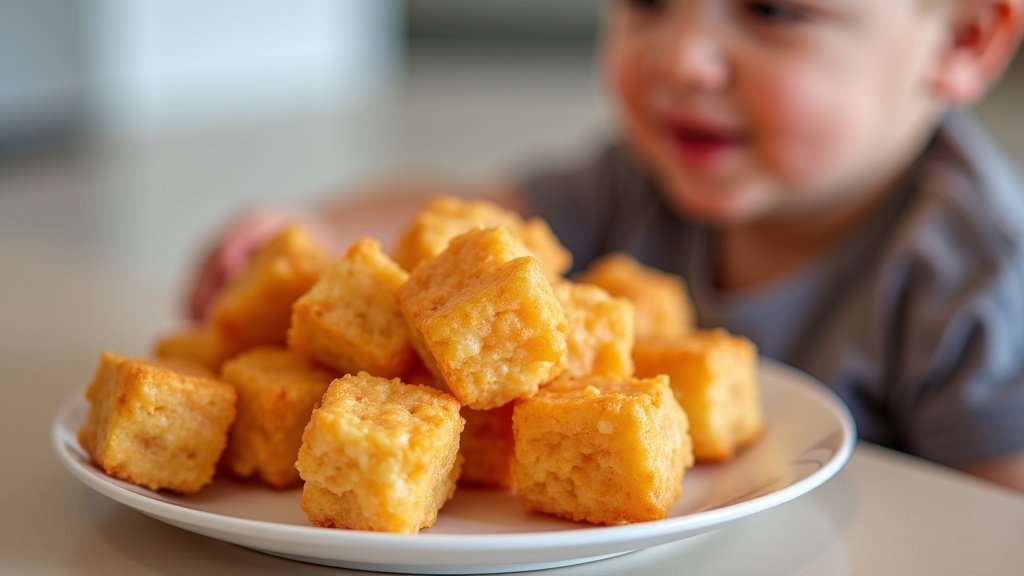
Babies and toddlers are still developing their chewing and swallowing skills. So, how you cut the food is just as important as how you cook it. Air-fried foods should always be cut into small, manageable pieces. Think bite-sized! For older toddlers, you can offer slightly larger pieces, but still ensure they are soft enough to be easily mashed with their gums. Avoid round, hard foods that can easily get lodged in the throat. We found that cutting food into strips or small cubes is usually best.
Appropriate Cuts for Different Ages
For babies just starting solids (around 6 months), aim for soft, shreddable pieces or very small, mushy cubes. As your child gets older and develops more teeth, you can gradually introduce slightly firmer textures and larger pieces. However, always supervise your child during mealtimes. Even with the best preparation, choking can happen. You know your child best, so adjust the size based on their individual chewing abilities.
Choosing the Right Foods for Air Frying
What can you actually air fry for your little ones? Almost anything you’d normally cook! The air fryer is fantastic for fruits, vegetables, and lean proteins. Here are some ideas we found to be popular:
- Vegetables: Broccoli florets, sweet potato fries, zucchini sticks, carrot coins, cauliflower bites. Cook until tender and easy to mash.
- Fruits: Apple slices, pear chunks, peach slices. These can become wonderfully caramelized and soft.
- Proteins: Chicken breast pieces, fish sticks (homemade), tofu cubes, lean ground turkey patties. Ensure they are cooked thoroughly.
- Starches: Small potato wedges, homemade chicken nuggets, chickpeas.
When air frying, a light coating of oil can help with crispiness. Use heart-healthy oils like olive oil or avocado oil. A little goes a long way! We found that even a light spray or a teaspoon tossed with the food is enough.
Comparing Air Frying to Other Cooking Methods
Let’s put air frying side-by-side with other common cooking methods you might use for your baby or toddler. This comparison can help you see why air frying is such a great option.
| Cooking Method | Oil Usage | Crispiness Level | Health Benefits | Time to Prepare |
|---|---|---|---|---|
| Air Frying | Very Low (1 tsp or spray) | High | Reduced fat, retains nutrients well | Fast |
| Deep Frying | Very High (oil absorbed) | Very High | High in unhealthy fats and calories | Moderate |
| Baking/Roasting | Low to Moderate (depends on recipe) | Moderate | Good, retains nutrients well | Slow to Moderate |
| Steaming | None | Low | Excellent, retains most nutrients | Fast |
| Pan-Frying | Moderate | Moderate | Can be high in fat depending on oil amount | Fast |
As you can see, air frying really shines when it comes to achieving a crispy texture with minimal oil. This makes it a healthier alternative to deep frying and often more appealing than steaming or plain baking for picky eaters. We found that it strikes a great balance between health and taste.
Tips for Success with Air-Fried Baby Food
Ready to give it a try? Here are a few quick tips to make your air-frying adventures smooth sailing:
- Don’t overcrowd the basket: Give the air circulation space to work. Cook in batches if needed.
- Shake or flip halfway: This ensures even cooking and crispiness on all sides.
- Watch closely: Air fryers can cook quickly! Keep an eye on your food to prevent burning.
- Cool slightly: Food can be very hot right out of the air fryer. Let it cool down before serving to your child.
- Supervise always: Even when food is cut safely, adult supervision is a must during mealtimes.
By following these simple steps, you can confidently prepare delicious and safe air-fried meals for your little ones. We found that these tips help make the process stress-free and enjoyable for busy parents.
Conclusion
You’ve learned that air-fried foods can be a fantastic, healthier addition to your baby or toddler’s diet. By using significantly less oil than traditional frying, air frying helps you create appealing textures that kids love. Remember, the keys to safety are ensuring food is cooked thoroughly to kill germs and cutting it into safe, bite-sized pieces to prevent choking. Always supervise meal times. Now you have the confidence to give air frying a try for your little one’s next meal!
Frequently Asked Questions
Can I air fry leftovers for my baby?
Yes, you can reheat many leftovers in the air fryer. It often makes them crispy again without needing extra oil. Just be sure to reheat them until they are thoroughly hot all the way through, and always check the temperature before serving to your child.
How do I make air-fried vegetables soft enough for a baby?
Air fry vegetables like broccoli or carrots until they are fork-tender. You can test them by piercing with a fork; they should be easily mashable. For younger babies, you can mash them further with a fork or blend them slightly after cooking.
Is it okay to use cooking spray in an air fryer for baby food?
A light coating of cooking spray can be fine, but opt for sprays made from healthy oils like olive or avocado oil. You can also use a tiny amount of oil applied with a brush or tossed directly with the food. A little bit goes a long way for achieving crispiness.
What temperature should I use for air-frying baby food?
Temperatures can vary by air fryer model and food type, but generally, 350-400°F (175-200°C) works well. The most important factor is ensuring the food reaches a safe internal temperature, especially proteins, and is tender for your child.
Can I air fry processed foods like store-bought chicken nuggets for my baby?
While air frying can make processed foods crispier with less oil, it’s best to focus on whole, unprocessed foods for your baby and toddler whenever possible. If you do use them, ensure they are cooked fully according to package directions and cut into safe sizes.
