
What Is the Best Temperature for Air Fryer Chicken Breast?
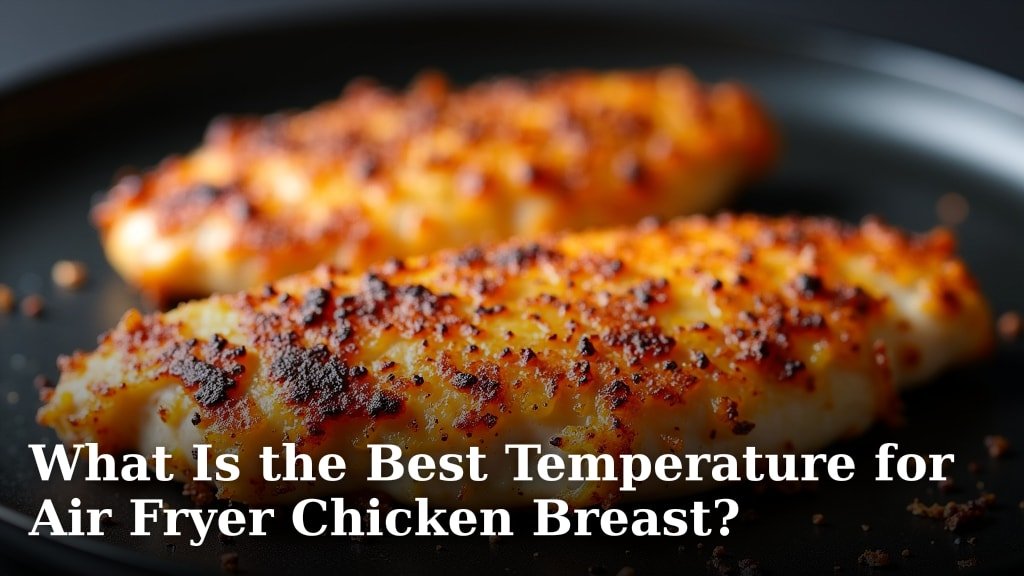
The best temperature for air fryer chicken breast is generally 375°F (190°C). This temperature is ideal for achieving a crispy exterior while keeping the inside juicy and fully cooked. Many recipes recommend this temperature to ensure your chicken breast cooks evenly and safely.
Getting the temperature right is key to delicious air fryer chicken. Too low, and you risk dry, rubbery chicken. Too high, and the outside might burn before the inside is done. Finding that sweet spot at 375°F helps you nail perfectly cooked chicken every time.
- The ideal temp is 375°F (190°C).
- This helps create a crispy outside and juicy inside.
- Avoid temps that are too low or too high.
- Consistency is important for the best results.
Ready to discover how to get that perfect cook? Let’s walk through some tips and tricks for air frying chicken breast. Ready to discover how to get that perfect cook? Learn about preheating your air fryer for best results.
So, you’ve got your chicken breast ready for the air fryer, and you’re wondering about the magic number for temperature. We’ve all been there, staring at the dial, hoping for that perfectly cooked, juicy piece of poultry. Let’s break it down!
Finding the Sweet Spot for Air Fryer Chicken Breast Temperature
The most widely recommended temperature for air fryer chicken breast is 375°F (190°C). This setting offers a great balance. It’s hot enough to crisp up the outside nicely. At the same time, it allows the inside to cook through thoroughly without drying out. You’re aiming for that golden-brown exterior and tender, moist interior. This temperature is a fantastic starting point for most recipes.
Why 375°F Works So Well
Think of your air fryer as a super-powered convection oven. The hot air circulates rapidly around the chicken. This intense heat needs to be just right. At 375°F, you get that rapid searing effect on the surface. This locks in juices. It also helps create a delightful texture contrast. It’s the temperature that most experts and recipe developers have found to be reliable. It helps prevent a common pitfall: a burnt outside with a raw middle.
What Happens if the Temperature is Too Low?
If you set your air fryer much lower than 375°F, say around 320°F (160°C) or below, you’re inviting trouble. Your chicken breast will likely take a lot longer to cook. During that extended cooking time, the moisture has more opportunity to escape. This can lead to dry, tough, and even rubbery chicken. It’s like trying to steam a piece of chicken instead of roasting it. You won’t get that satisfying crispiness. You’ll just get sad, leathery chicken. Nobody wants that!
What Happens if the Temperature is Too High?
On the flip side, cranking the temperature up too high, like 400°F (200°C) or higher, presents its own set of problems. The outside of your chicken breast will likely char and burn very quickly. This happens before the heat has a chance to penetrate the thickest part of the breast. You’ll end up with a blackened exterior and a dangerously undercooked center. Not only is this unappetizing, but it’s also a food safety concern. You absolutely must ensure the chicken reaches a safe internal temperature.
Factors That Influence Your Air Frying Temperature
While 375°F is the golden rule, a few things might nudge you to adjust slightly. It’s not always a one-size-fits-all situation. Understanding these factors will help you become a true air frying pro. You’ll be able to adapt your approach like a culinary chameleon.
Thickness of the Chicken Breast
This is perhaps the most critical factor. A thin, pounded-out chicken breast will cook much faster than a thick, bone-in breast. If you have very thick chicken breasts, you might want to start at 375°F for a good sear. Then, you might reduce the temperature slightly for the remaining cook time. This ensures the inside cooks evenly without burning the outside. For thinner cuts, you might even get away with slightly lower temperatures or shorter cooking times. Always check the thickness before you set your timer.
Your Specific Air Fryer Model
Here’s a little secret: not all air fryers are created equal. Some run hotter than others. Some have more powerful fans. This means your results might vary slightly. It’s a good idea to get to know your air fryer. You might find that your particular model cooks chicken breast perfectly at 380°F (195°C). Or maybe it needs to be a bit lower, around 360°F (180°C), to prevent burning. We found that running a test with a simple chicken tender is a great way to gauge your machine’s accuracy. Many users report needing to adjust by 10-15 degrees from standard recipe recommendations.
Marination and Seasoning
If you’ve marinated your chicken breast in something sugary, like a teriyaki or honey-based marinade, you’ll want to be cautious. Sugars tend to caramelize and burn much faster than plain chicken. In these cases, you might consider starting at 375°F for a few minutes to get things going. Then, you may need to lower the temperature to 350°F (175°C) for the rest of the cooking time. This prevents the sweet coating from becoming a bitter char. Thick, dark seasonings like BBQ rub can also burn more easily.
Whether the Chicken is Bone-In or Boneless
Bone-in chicken breasts take longer to cook than boneless ones. The bone acts as an insulator, slowing down heat transfer to the meat. For bone-in breasts, you might stick to 375°F (190°C) but expect a longer cooking time. You’ll need to be diligent about checking the internal temperature. Boneless breasts cook more quickly and evenly. They are generally more forgiving when it comes to temperature consistency. Many home cooks prefer boneless for their speed and predictability.
Achieving the Perfect Internal Temperature (Safety First!)
The most important aspect of cooking chicken breast is ensuring it’s cooked safely. The U.S. Department of Agriculture (USDA) recommends that chicken be cooked to an internal temperature of 165°F (74°C). This temperature kills harmful bacteria like Salmonella. Using an instant-read meat thermometer is non-negotiable. It’s the only way to know for sure that your chicken is safe to eat.
How to Use a Meat Thermometer
When checking the temperature, insert the thermometer into the thickest part of the chicken breast. Be careful not to touch any bone, as this can give a false reading. For boneless breasts, aim for the very center. For bone-in, insert it into the meat away from the bone. The temperature will continue to rise slightly after you remove it from the air fryer, a process called carryover cooking. So, you can often pull it out when it reaches about 160-162°F (71-72°C). Then let it rest for a few minutes.
Cooking Times vs. Internal Temperature
Many recipes will give you a cooking time range, like “18-22 minutes.” While this is helpful, it’s a guideline, not a rule. Your actual cooking time will depend on all the factors we’ve discussed: thickness, your air fryer, and seasonings. Relying solely on time can lead to undercooked or overcooked chicken. Always prioritize reaching that safe internal temperature of 165°F (74°C). We found that using a timer to remind you to check is a smart strategy.
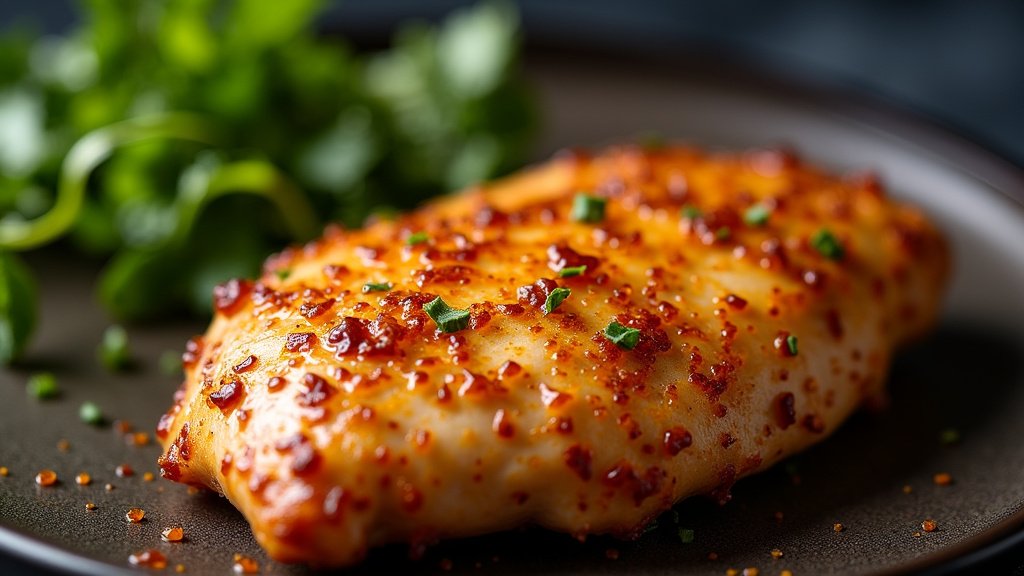
Tips for Perfectly Crispy and Juicy Air Fryer Chicken Breast
Beyond just temperature, a few other tricks can elevate your air fryer chicken breast game. You want that restaurant-quality result right in your own kitchen. It’s all about the details!
Don’t Overcrowd the Basket
This is a golden rule for air frying any food. If you pack too much chicken into the basket, the hot air can’t circulate properly. This leads to uneven cooking. Some pieces might be nicely browned, while others are pale and steamed. Give your chicken pieces some breathing room. Cook in batches if necessary. You’ll get much better, crispier results this way. We found that a single layer is usually best.
Preheating Your Air Fryer
Just like preheating a conventional oven, preheating your air fryer is important. It ensures that the chicken starts cooking immediately upon hitting the basket. This helps create that initial sear. It also contributes to more even cooking. Most air fryers recommend preheating for 3-5 minutes at the target temperature. It’s a small step that makes a big difference.
Pat Your Chicken Dry
Before you season and add your chicken to the air fryer, pat it thoroughly dry with paper towels. Excess moisture on the surface will create steam. Steam prevents crisping. It’s the enemy of that beautiful, golden-brown crust you’re after. Think of it like drying off your skin after a shower before putting on clothes. It helps everything feel drier and crisper.
Consider a Light Coating of Oil or Cooking Spray
While air fryers use less oil than deep frying, a little bit can go a long way. Lightly coating your chicken breasts with a spray of cooking oil or a tablespoon of olive oil helps with browning and crisping. It also helps seasonings adhere better. You don’t need to drench it; just a light, even coating is usually sufficient. We found avocado oil or olive oil sprays work well.
| Cut Type | Ideal Temperature | Approximate Cook Time (per side for boneless) | Internal Target Temp |
|---|---|---|---|
| Boneless, Skinless Breast (Average Thickness) | 375°F (190°C) | 6-10 minutes | 165°F (74°C) |
| Boneless, Skinless Breast (Thicker Cut) | Start at 375°F (190°C), potentially lower to 350°F (175°C) halfway | 8-12 minutes | 165°F (74°C) |
| Bone-In Breast | 375°F (190°C) | 10-15 minutes (adjust based on thickness) | 165°F (74°C) |
| Chicken Tenders/Strips | 380°F (195°C) | 6-8 minutes | 165°F (74°C) |
Rest Your Chicken
Once your chicken reaches the correct internal temperature, resist the urge to cut into it immediately. Let it rest for 5-10 minutes on a clean cutting board or plate. This resting period allows the juices to redistribute throughout the meat. If you cut it too soon, all those delicious juices will run out onto the plate. You’ll be left with a drier piece of chicken. It’s a small act of patience that yields a huge reward in tenderness.
So there you have it! The magic number is indeed 375°F (190°C) for most air fryer chicken breast recipes. But remember, it’s not just about the temperature. It’s about understanding your machine, the thickness of your chicken, and using a reliable thermometer. You’re well on your way to air frying perfection!
Your Air Fryer Chicken Breast Checklist:
- Preheat your air fryer for 3-5 minutes.
- Pat your chicken breasts completely dry.
- Lightly coat with oil or cooking spray.
- Don’t overcrowd the air fryer basket.
- Cook at 375°F (190°C) as a starting point.
- Always check internal temperature with a thermometer (165°F/74°C).
- Let chicken rest for 5-10 minutes after cooking.
Conclusion
You’ve learned that 375°F (190°C) is your go-to temperature for perfectly air-fried chicken breast. Remember, it’s not just about the setting on your air fryer. Factors like chicken thickness, your specific appliance, and how you prep it all play a role. Always prioritize food safety by using a thermometer to hit that 165°F (74°C) internal target. Ready to try it? Your next batch of crispy, juicy chicken is just a few simple steps away!
Frequently Asked Questions
Will air fryer chicken breast be dry if I don’t use the right temperature?
Yes, it absolutely can be. If the temperature is too low, your chicken will cook too slowly, losing moisture and becoming dry. If it’s too high, the outside will burn before the inside is cooked, also leading to a dry texture.
Can I cook chicken breast at 400°F in my air fryer?
You can try, but be cautious. Cooking at 400°F (200°C) means the outside will brown and burn very quickly. This can happen before the inside is safely cooked through. You might need to significantly adjust your cooking time or use this temperature only for very thin cuts.
How do I know when my chicken breast is done if I don’t rely on time alone?
The most reliable way is to use an instant-read meat thermometer. Insert it into the thickest part of the chicken breast, ensuring it reaches 165°F (74°C) for safe consumption.
Should I adjust the temperature for frozen chicken breasts?
Generally, it’s best to fully thaw chicken breasts before air frying. If you must cook from frozen, you’ll likely need to cook at a slightly lower temperature, such as 350°F (175°C), for a longer time, and be very diligent about checking the internal temperature.
Does the type of oil I use affect the air frying temperature?
The type of oil or cooking spray you use doesn’t typically require a temperature adjustment. However, using oil helps seasonings stick and promotes browning and crispiness at the recommended temperature of 375°F (190°C).
