
What Is the Best Temperature for Air Fryer Vegetables?
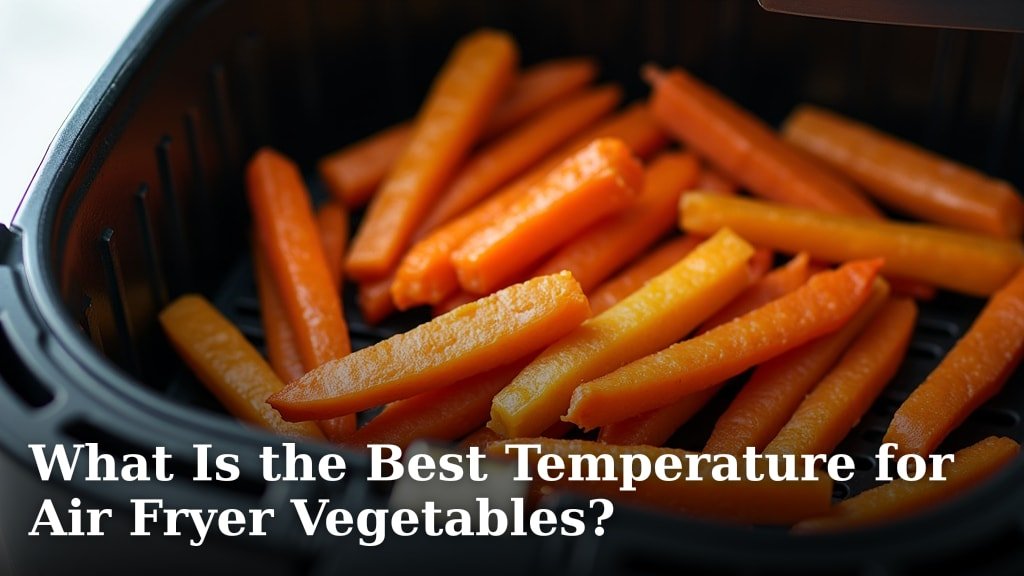
The best temperature for air fryer vegetables is generally between 375°F and 400°F (190°C to 200°C). This range allows veggies to get nice and crispy on the outside while staying tender inside, without burning too quickly. You want that perfect balance of char and tenderness.
Finding the sweet spot for your air fryer vegetables means avoiding common pitfalls. Too low a temperature can lead to steamed, soggy results, while too high can scorch them before they cook through. We found that adjusting slightly based on the vegetable type is key to achieving glorious, crispy perfection every time.
- Best temps: 375-400°F (190-200°C).
- Lower temps risk soggy veggies.
- Higher temps risk burnt edges.
- Adjust slightly for different veggies.
Ready to transform your veggie game? Let’s dive into the details and find out exactly how to get those air fryer vegetables tasting amazing. Our guide on how to cook vegetables in an air fryer offers more details.
You’ve mastered the basics of your air fryer, and now you’re ready to tackle vegetables. It’s a fantastic choice! Air frying makes veggies incredibly delicious, often turning even picky eaters into fans. But getting them just right can feel like a bit of a puzzle. You want them crispy and a little charred, not mushy or burnt. Let’s figure out the perfect temperature for your air fryer vegetables so you can enjoy them every time.
Finding Your Air Fryer Vegetable Sweet Spot
The ideal temperature for most air fryer vegetables lands between 375°F and 400°F (190°C to 200°C). This range provides enough heat to get that delightful crispness without burning them too fast. You’re aiming for tender insides with perfectly browned, slightly crispy edges. It’s all about achieving that satisfying texture and flavor.
Why this specific range? Well, air fryers work by circulating hot air very quickly. This process is similar to a convection oven but more intense. High heat is key to crisping the outside of your vegetables rapidly. It also helps to cook them through efficiently. Let’s break down why this temperature works so well.
Why 375°F to 400°F Works Best
This temperature range is hot enough to create a satisfying crisp on the outside of the vegetables. It helps to evaporate moisture quickly, which is essential for crispiness. Think about how fries get crispy – it’s the high heat doing the work. The same principle applies here.
At the same time, this temperature isn’t so high that the vegetables instantly turn black. You have enough time for the heat to penetrate the vegetables and cook them until they are tender. This balance is crucial. Too low a temperature, and you end up with something more like steamed vegetables, which is not what we’re going for. Too high, and you’ll have sad, burnt offerings.
The Danger of Going Too Low
If you set your air fryer to a temperature much lower than 375°F, say 300°F or 325°F, you’re likely to get a very different result. Instead of crisping, the vegetables will steam in their own moisture. This leads to a soggy texture that no one enjoys. They might get a little soft, but they won’t develop that appealing browned exterior. It’s like boiling them in the basket, which isn’t ideal.
The Risk of Overheating
On the flip side, if you crank the temperature up too high, often above 400°F, you’ll face a different problem. The outsides of the vegetables will burn very quickly before the insides have a chance to cook properly. You might end up with charred edges and a raw, hard center. This is especially true for smaller or more delicate vegetables. It’s a race against time, and going too high means you lose.
Temperature Adjustments for Different Veggies
While 375°F to 400°F is a great starting point, not all vegetables are created equal. Some cook faster or benefit from slightly different heat levels. Understanding these nuances will help you achieve perfection every time. Think of it like cooking different types of meat; you wouldn’t use the same temperature for chicken as you would for a steak.
Sturdy Vegetables: Broccoli, Cauliflower, Brussels Sprouts
These are your champions of the air fryer vegetable world. They can handle the higher end of the temperature spectrum, usually around 390°F to 400°F (200°C). Their dense structure allows them to withstand the heat and crisp up beautifully. You’ll want to toss them in a little oil, season them well, and give them a good shake halfway through cooking.
For broccoli and cauliflower florets, aim for about 10-15 minutes at 400°F. Brussels sprouts might take a little longer, around 15-20 minutes, depending on their size. Cutting them into uniform pieces is key to even cooking. Roasting them at this temperature helps bring out their natural sweetness while developing that delicious crispy edge.
Softer Vegetables: Bell Peppers, Zucchini, Asparagus
Vegetables like bell peppers, zucchini, and asparagus are a bit more delicate. They cook faster and can turn mushy or burnt if the temperature is too high or the cooking time is too long. For these, it’s often better to stay on the lower end of our range, around 375°F (190°C). This ensures they cook through and get tender without disintegrating.
Bell pepper strips or zucchini slices might only need 8-12 minutes at 375°F. Asparagus spears are even quicker, often done in 6-10 minutes at the same temperature. You’ll want to watch them closely to avoid overcooking. The goal is tender-crisp, not limp.
Root Vegetables: Potatoes, Carrots, Sweet Potatoes
Root vegetables are a bit of a mixed bag. Potatoes, especially when cut into fries or cubes, can handle higher temperatures to get them nice and crisp. Aim for 390°F to 400°F (200°C) and a cooking time of 15-20 minutes, shaking the basket halfway through. Potatoes are sturdy and can take the heat.
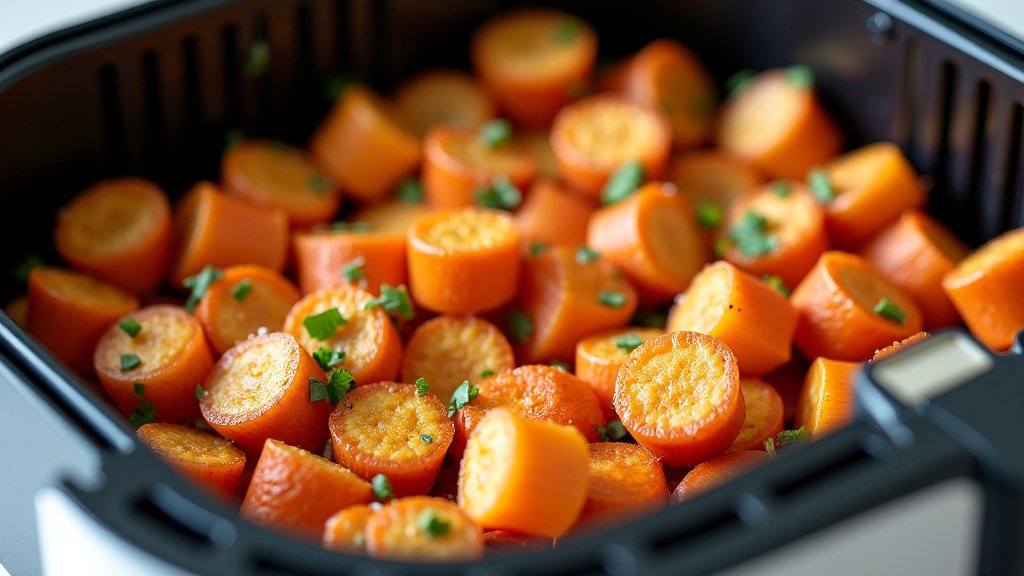
Carrots and sweet potatoes, when cut into similar-sized pieces, can often be cooked at the same temperature, 375°F to 400°F, for about 12-18 minutes. They tend to get sweeter as they cook. If you’re cutting them into smaller pieces, they’ll cook faster. If you’re aiming for softer, more tender results, you might lower the temp slightly to 375°F.
Tips for Crispy Air Fryer Vegetables
Beyond just the temperature, a few other tricks can help you achieve vegetable nirvana in your air fryer. It’s the combination of temperature, preparation, and technique that leads to success. Think of these as the supporting cast members that make the star (your delicious veggies) shine even brighter.
Prep is Key: Drying and Oiling
Before you even think about temperature, make sure your vegetables are dry. Excess moisture is the enemy of crispiness. After washing and chopping, pat them thoroughly dry with paper towels. Then, toss them with a small amount of oil. Just a tablespoon or two is usually enough for a standard batch. Oil helps conduct heat and promotes browning and crisping. You can use olive oil, avocado oil, or any high-heat cooking oil you prefer.
Don’t Overcrowd the Basket
This is one of the most common mistakes people make. If you cram too many vegetables into the air fryer basket, they won’t get crispy. Instead, they’ll steam. The hot air needs to circulate freely around each piece. Cook in batches if necessary. It’s better to have two batches of perfectly crispy vegetables than one big batch of disappointment. You want them in a single layer for best results.
Shake it Up!
About halfway through the cooking time, give your air fryer basket a good shake. This ensures that the vegetables cook evenly on all sides. If you’re cooking something like fries, shaking is essential to prevent them from sticking together and to ensure even crisping. It’s like flipping them, but much easier!
Here’s a quick checklist to remember for your next air fryer veggie adventure:
- Dry your veggies completely before seasoning.
- Use just enough oil to coat them lightly.
- Don’t pack the basket; cook in single layers.
- Shake the basket halfway through cooking.
- Adjust temperature slightly based on vegetable type.
- Start checking for doneness a few minutes early.
By paying attention to temperature and following these simple tips, you’ll be well on your way to enjoying perfectly cooked air fryer vegetables. It’s a simple adjustment that makes a world of difference. Happy air frying!
Conclusion
You’ve now got the know-how to make your air fryer vegetables shine! Remember, the sweet spot for most veggies is between 375°F and 400°F, but don’t be afraid to tweak it based on what you’re cooking. We found that keeping those veggies dry, using just a little oil, and not overcrowding the basket are your best friends for achieving that perfect crisp. Ready to turn those veggies into a crispy, delicious side dish? Your next air-fried vegetable creation awaits!
Frequently Asked Questions
Do I need to use oil for air fryer vegetables?
Yes, a small amount of oil is highly recommended. It helps the vegetables crisp up nicely and promotes even browning by conducting heat. Just a tablespoon or two tossed with your veggies is usually sufficient for a good coating.
Can I air fry frozen vegetables?
You can air fry frozen vegetables, but you may need to adjust the temperature and time. Often, you’ll want to use a slightly higher temperature and a longer cooking time. It’s also important to ensure they aren’t clumped together in the basket for proper crisping.
Why are my air fryer vegetables soggy?
Soggy vegetables are usually a sign that the temperature was too low, or the basket was overcrowded. If your veggies are steamed rather than crispy, try increasing the temperature slightly and ensuring there’s space for air to circulate around each piece.
How do I know when my air fryer vegetables are done?
They should be tender on the inside with some appealing crispy or browned edges on the outside. For root vegetables, you should be able to easily pierce them with a fork. For others like broccoli or peppers, look for vibrant color and a slightly softened texture with crisp bits.
Should I cut vegetables into uniform sizes for the air fryer?
Yes, it’s best to cut your vegetables into roughly uniform sizes. This ensures that they all cook evenly. If some pieces are much larger than others, the smaller ones may burn before the larger ones are tender.
