
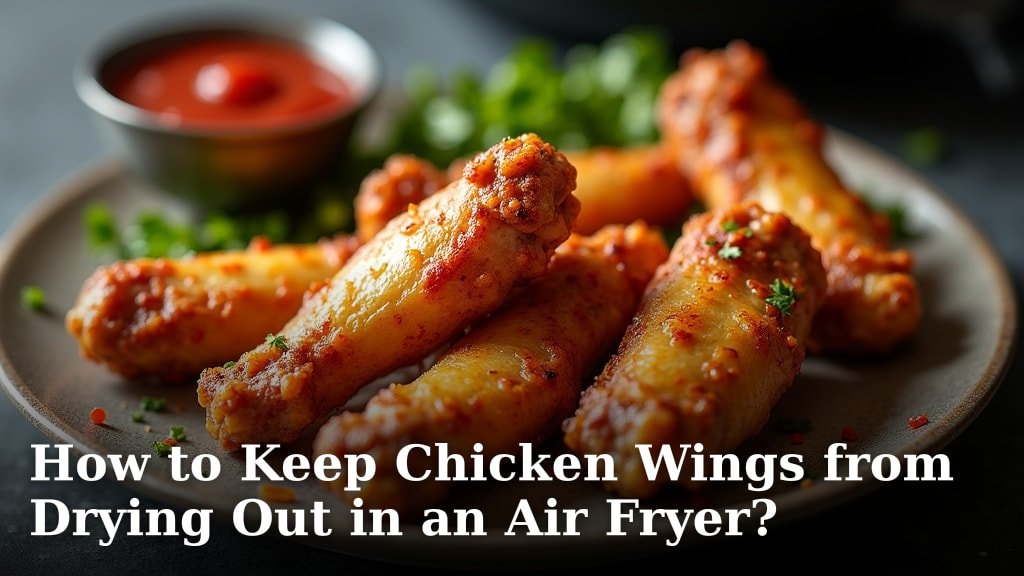
How to Keep Chicken Wings from Drying Out in an Air Fryer?
Want
Mastering Juicy Air Fryer Chicken Wings
Nobody wants dry, disappointing chicken wings. We’ve all been there, right? You pop them in the air fryer, dreaming of crispy perfection, and then… disappointment. Fortunately, keeping your wings moist and tender is totally achievable with a few smart techniques. Let’s dive into how you can get delicious results every single time.
The Foundation: Choosing and Prepping Your Wings
It all starts before the wings even see the air fryer. The right selection and preparation make a huge difference in the final outcome. Think of it like building a house; you need a solid foundation!
Selecting the Best Chicken Wings
When you’re at the grocery store or butcher shop, look for wings that aren’t too skinny. Plumper wings have more natural moisture and fat, which helps prevent them from drying out. We’re looking for wings that have a bit of meat on them. You can buy them whole and cut them yourself, or opt for pre-cut flats and drumettes.
The Importance of Patting Dry
This might sound counterintuitive since we’re talking about keeping them moist. But trust us, patting your wings dry is a critical step for crispiness. Use paper towels to thoroughly dry each wing. Excess moisture will steam the wings instead of crisping them. You want that lovely sear, not a soggy situation.
To Marinate or Not to Marinate?
Marinating can add a ton of flavor and moisture. A good marinade typically includes an acid (like vinegar or citrus juice), oil, and seasonings. The acid helps to tenderize the meat, while the oil adds richness. Even a short 30-minute marinade can make a difference. Many recipes suggest marinating for at least an hour, or even overnight for deeper flavor.
The Role of a Binder
A binder helps your seasonings or sauce stick to the wings. Common binders include a bit of oil, melted butter, or even an egg wash. Research shows that a thin layer of oil is effective at helping spices adhere and also contributes to a crispier skin. Just a light coating is all you need. Don’t go overboard, or they might become greasy.
Air Frying Techniques for Maximum Moisture
Now for the star of the show: the air fryer itself! How you use this appliance can make or break your wings.
Don’t Overcrowd the Basket
This is probably the most common mistake people make. Air fryers work by circulating hot air around the food. If you pack the basket too tightly, the air can’t get to all the wings properly. This leads to uneven cooking and, you guessed it, dry spots. You want to arrange the wings in a single layer, with some space between each piece. It’s better to cook in batches if necessary. You’ll thank yourself later for the perfectly cooked wings.
Finding the Sweet Spot: Temperature and Time
Cooking temperature and time are crucial. Too high a temperature for too long will dry out the wings. Too low, and they won’t get crispy. A good starting point is usually around 380-400°F (190-200°C). Cooking time will vary depending on the size of your wings and your specific air fryer model, but typically ranges from 18-25 minutes. It’s always a good idea to check the internal temperature with a meat thermometer. Wings are done when they reach an internal temperature of 165°F (74°C).
The Flip Factor
Don’t forget to flip your wings halfway through the cooking process. This ensures that both sides get evenly cooked and browned. Giving the basket a good shake or using tongs to flip each wing guarantees even exposure to the hot air. We found that flipping them about 10-12 minutes into cooking yields the best results for consistent crispiness and moisture.
Consider a Little Extra Fat
Adding a touch of fat can be a lifesaver for moisture. Before air frying, toss your wings with a tablespoon or two of oil or melted butter. This helps create a barrier that keeps moisture locked inside. It also aids in achieving that coveted crispy skin. Many culinary resources suggest that fat is essential for tenderness and flavor development in poultry.
Post-Air Frying Perfection
What you do right after the wings come out of the air fryer matters, too!
Saucing Strategy
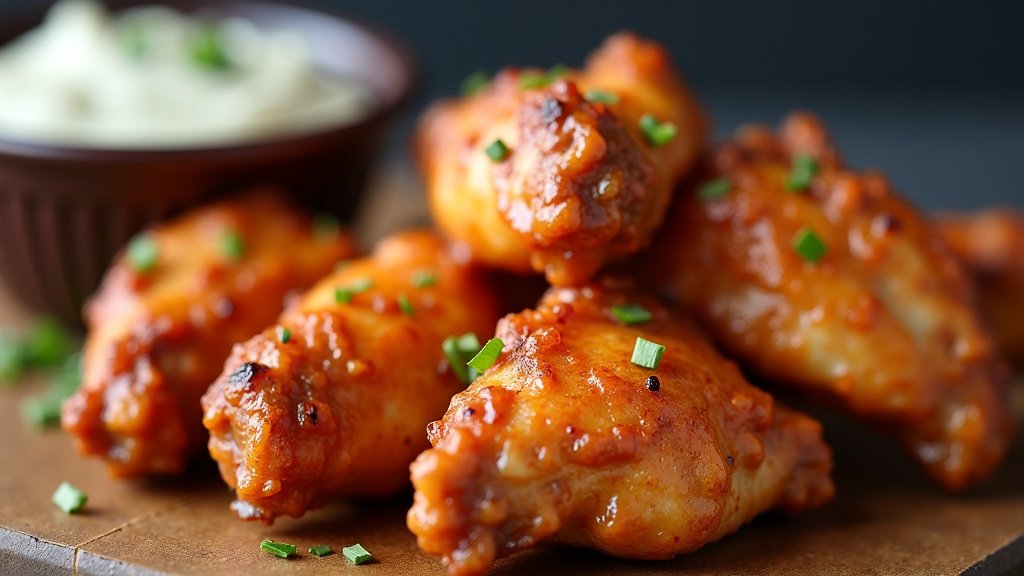
If you plan to toss your wings in sauce, timing is everything. For the crispiest wings, it’s often best to toss them in sauce just before serving. If you toss them too early, the sauce can make the skin soggy again. Some people like to reserve some sauce to drizzle over the top. This adds an extra layer of flavor and visual appeal. We found that tossing them in a bowl right before they hit the serving platter works wonders.
Resting is Key
Just like with any cooked meat, letting your wings rest for a few minutes after they come out of the air fryer can help redistribute the juices. This allows the moisture to settle back into the meat, making them juicier and more tender. Resist the urge to dig in immediately! A short rest of about 5 minutes is usually sufficient.
Troubleshooting Common Dry Wing Issues
Even with the best intentions, sometimes things go awry. Here are a few common problems and how to fix them.
Wings Still Seem Dry? What Now?
If your wings consistently come out dry, re-evaluate your cooking time and temperature. Are you cooking them too long or at too high a heat? Try reducing the cooking time by a few minutes or lowering the temperature slightly on your next batch. Also, consider if your air fryer runs hotter than its set temperature. You can test this by using an oven thermometer inside the basket.
The Science of Steam
Remember how we talked about patting wings dry? That’s because excess water creates steam. Steam cooks the wings from the outside in, which can lead to a rubbery texture and dry meat if overdone. Always ensure your wings are thoroughly dried before seasoning and cooking.
Fat Content Matters
Different parts of the wing have varying fat content. Drumettes tend to be a bit fattier than flats. If you find flats tend to dry out more for you, try adding a tiny bit more oil or butter to them before cooking, or ensuring they get good airflow.
Here’s a quick rundown to ensure your next batch is a hit:
- Pat Wings Bone-Dry: Use paper towels to remove all surface moisture.
- Don’t Overcrowd: Cook in a single layer with space for air circulation.
- Moderate Heat: Stick to 380-400°F (190-200°C) and adjust as needed.
- Flip Midway: Ensure even cooking by flipping or shaking halfway through.
- Sauce Last: Toss in sauce just before serving to maintain crispiness.
- Short Rest: Let wings sit for 5 minutes before enjoying for maximum juiciness.
Conclusion
You’ve got the power to transform your air fryer wings from dry disappointments into juicy triumphs! Remember, it’s a combination of smart prep, mindful air frying, and a little post-cook patience that makes all the difference. Patting them dry, avoiding overcrowding, and managing your temperature are your best friends here. Don’t be afraid to experiment slightly with your air fryer’s quirks. Your next batch of perfectly tender and crispy wings is just an air fryer session away. So go ahead, try these tips on your next cook!
Frequently Asked Questions
Can I add sauce before air frying to save time?
While it might seem like a shortcut, adding sauce before air frying often leads to soggy skin. Research and our own findings suggest it’s best to toss your wings in sauce just before serving. This helps maintain that desirable crispiness you’re aiming for.
What if my air fryer doesn’t have specific wing settings?
Don’t worry if your air fryer lacks preset buttons for wings. You can still achieve great results by focusing on temperature and time. Start with our recommended range of 380-400°F (190-200°C) and monitor closely, adjusting as needed based on your results. A meat thermometer is your best tool here.
Is it okay to use frozen chicken wings in the air fryer?
It’s generally not recommended to air fry frozen chicken wings if you want them to be juicy. The freezing process can alter the meat’s texture, and cooking them from frozen often results in uneven cooking and dry outcomes. Always
