
Can You Dehydrate Fruit in an Air Fryer?
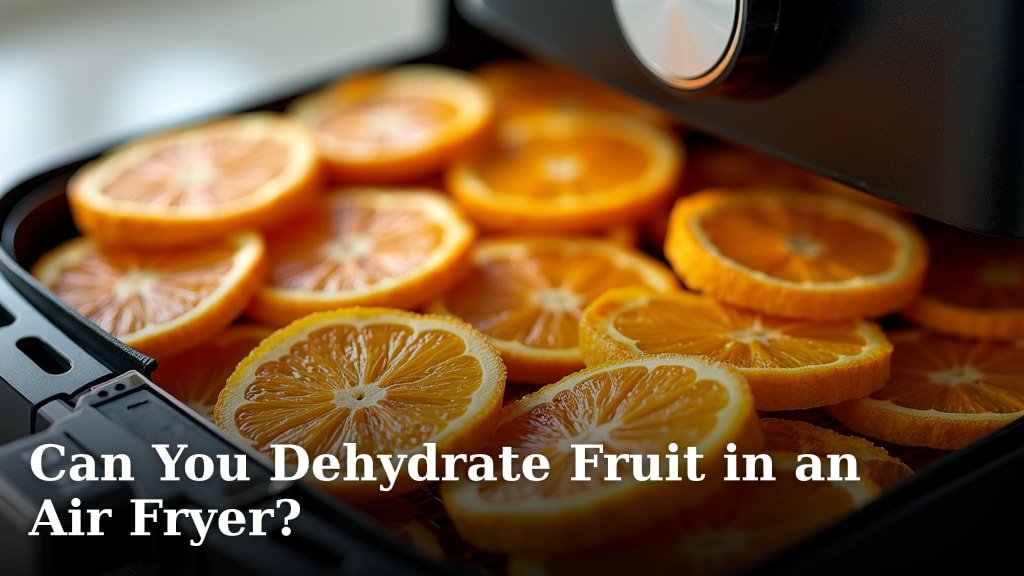
Yes, you absolutely can dehydrate fruit in an air fryer, and it’s surprisingly simple! Your air fryer can be a fantastic tool for making your own delicious, chewy dried fruit snacks right at home, often much faster than a traditional dehydrator. It’s a great way to preserve fruit and enjoy healthy treats.
This method is perfect for transforming fresh fruits into chewy, concentrated snacks. You’ll find that many fruits work wonderfully, from apples and bananas to berries and mangoes. It’s an easy way to reduce food waste and create personalized flavors without added sugars. We found this method to be quite forgiving for beginners.
- Air fryers can definitely dehydrate fruit.
- It’s a faster method than traditional dehydrators.
- Many fruits can be dried this way.
- Enjoy healthy, homemade fruit snacks.
Let’s walk through exactly how you can achieve perfectly dehydrated fruit using your air fryer, along with some tips and tricks we’ve picked up.
Drying Fruit in Your Air Fryer: A Complete Guide
So, you’re wondering if your trusty air fryer can handle turning fresh fruit into chewy, delicious dried snacks? The answer is a resounding yes! It’s a fantastic appliance for this job. Many home cooks have found success using their air fryer for dehydration. It often works much faster than you might expect. This method is perfect for anyone looking to make healthy, homemade snacks.
Understanding the Air Fryer Dehydration Process
How does an air fryer actually dehydrate fruit? It’s all about circulating low, dry heat. Your air fryer has a fan that blows hot air around the food. This continuous airflow helps to evaporate moisture from the fruit. Unlike baking, where the goal is to cook and brown, dehydration focuses on removing water. This prevents spoilage and concentrates the natural sugars and flavors.
Think of it like a gentle, persistent breeze on a sunny day, but contained within your kitchen. The key is maintaining a consistent, low temperature. Too high, and you’ll end up with baked or burnt fruit. Too low, and the process will take an extremely long time, or the fruit might not dry properly.
Key Factors for Success
Several elements play a role in achieving perfectly dehydrated fruit. Getting these right means your snacks will have the ideal chewy texture. They won’t be too tough or too sticky. We’ve found these to be the most important:
- Temperature Control: This is perhaps the most critical factor. You need an air fryer that can hold a low temperature consistently.
- Air Circulation: The fan is your friend here. Ensure the fruit isn’t overcrowded so air can reach all sides.
- Fruit Preparation: How you slice and prepare the fruit makes a big difference in drying time and results.
- Drying Time: This varies greatly depending on the fruit, thickness, and your specific air fryer model.
Preparing Your Fruit for Dehydration
Before you even think about preheating, you need to get your fruit ready. This prep work is essential for even drying. It ensures you get the best texture and flavor possible.
Choosing the Right Fruit
Many fruits are excellent candidates for air fryer dehydration. Some dry faster than others. It’s good to start with fruits you know you love. Based on general guidelines for fruit preservation, common choices include:
- Apples: Slice them thinly for best results.
- Bananas: Ripe but firm bananas work wonderfully.
- Berries: Strawberries, blueberries, raspberries can be dried, though some may become very delicate.
- Mangoes: Sweet and tropical, mangoes are a popular choice.
- Pineapple: Another tropical favorite that dehydrates well.
- Peaches and Pears: These stone fruits and pome fruits offer great flavor.
Slicing Techniques for Optimal Drying
The thickness of your fruit slices is hugely important. If your slices are too thick, they will take much longer to dry. They might even start to go bad before they finish. Too thin, and they might become brittle or burn easily. We’ve found a sweet spot for most fruits.
Aim for slices that are about 1/8 to 1/4 inch thick. For round fruits like bananas or kiwi, uniform slices are best. For irregular shapes like mango or peach, try to cut them into similar-sized pieces. This ensures they all dry at roughly the same rate. For berries, you can often leave them whole or slice larger ones in half.
Pre-Treatment Options
Some fruits, like apples and bananas, can brown when exposed to air. To prevent this, you can give them a quick dip in an acidic solution. Many sources suggest a solution of lemon juice and water. This helps maintain their appealing color. A common ratio is 1 tablespoon of lemon juice per cup of water.
You can also use a salt bath for some fruits, though this is less common for sweet snacks. For dehydration, the lemon juice dip is usually preferred. It adds a subtle brightness without altering the fruit’s flavor profile significantly. Dip the slices for a minute or two, then drain them well. This step is optional, but it can improve the visual appeal of your dried fruit.
Air Frying Your Fruit: Step-by-Step
Once your fruit is prepped and ready, it’s time to fire up the air fryer. This process is fairly straightforward, but paying attention to the details will yield the best results.
Setting Up Your Air Fryer
First, ensure your air fryer basket or tray is clean. You want to avoid any lingering flavors from previous cooking adventures. For most air fryers, you’ll want to arrange the fruit in a single layer. Don’t let the pieces overlap too much.
If your air fryer has multiple racks, you can use them. However, ensure there’s still good airflow. Some air fryer models come with specific dehydrator racks, which are ideal. If not, you can often use the standard basket, just be mindful of not overcrowding. Overcrowding is the enemy of even drying.
Temperature and Time Guidelines
This is where things get interesting, as every air fryer is a little different. However, research and common practice suggest a low temperature is key. For most fruits, aim for a temperature between 130°F and 180°F (54°C – 82°C).
Some air fryers don’t go this low, which can be a challenge. If yours starts at 200°F (93°C), you might need to use a trick. Some people prop the air fryer door open slightly with a wooden spoon. This allows some heat to escape, lowering the internal temperature. Always check your air fryer’s manual for its lowest setting and any specific recommendations.
Drying times can vary significantly. For thin apple slices, it might take anywhere from 4 to 8 hours. Thicker slices or juicier fruits like mangoes could take longer. It’s crucial to check your fruit periodically.
Checking for Doneness
How do you know when your fruit is done? It should feel leathery and pliable, not crispy or sticky. When you let a piece cool completely, it should have a chewy texture. It shouldn’t feel moist or leave a residue on your fingers when slightly warm.
Gently touch a piece of fruit after a few hours. If it feels soft and wet, it needs more time. If it feels firm but still a bit bendy, you’re getting close. The fruit will continue to dry out a bit more as it cools. If you find some pieces are drying faster than others, remove the done ones and let the rest continue.
A Quick Reference Table for Fruit Dehydration
Here’s a general guide to help you get started. Remember, these are estimates, and your actual drying time may vary.
| Fruit Type | Approximate Slice Thickness | Typical Temperature Range (°F) | Estimated Drying Time (Hours) |
|---|---|---|---|
| Apples | 1/8 – 1/4 inch | 130-170°F (54-77°C) | 4-8 |
| Bananas | 1/4 inch | 130-160°F (54-71°C) | 6-10 |
| Strawberries | 1/4 inch (halved or whole) | 130-150°F (54-65°C) | 4-7 |
| Mangoes | 1/4 inch | 130-170°F (54-77°C) | 6-12 |
| Pineapple | 1/4 inch | 130-170°F (54-77°C) | 6-10 |
Tips for Perfect Dehydrated Fruit
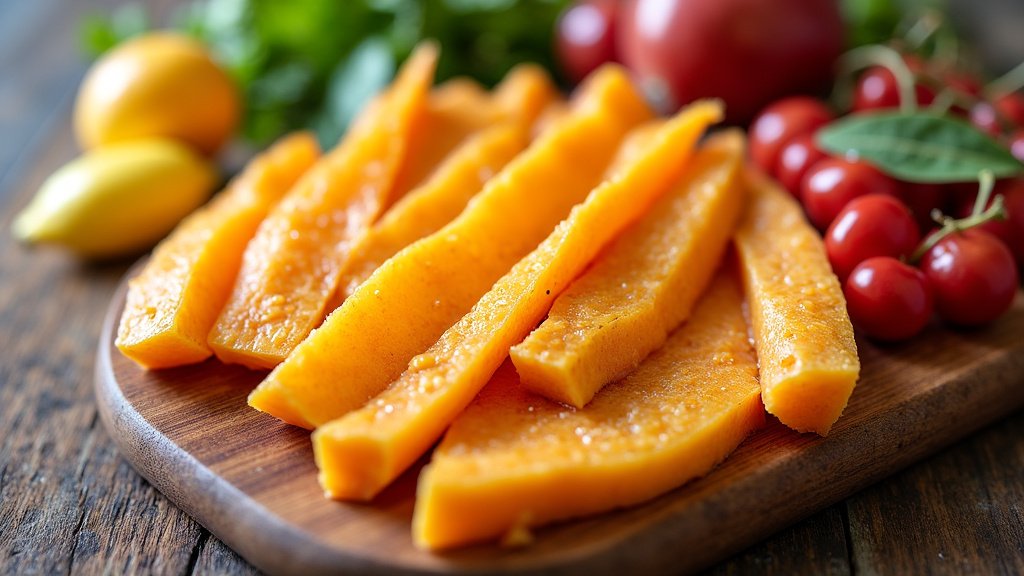
We’ve learned a few things through trial and error that can make your air fryer dehydration experience smoother. Little tricks can make a big difference.
Don’t Overcrowd the Basket
This bears repeating because it’s so important. Air needs to circulate freely around each piece of fruit. If you pack the basket too tightly, you’ll end up with unevenly dried fruit. Some pieces might remain moist, while others get too dry.
It might mean you have to work in batches, but the results will be worth it. Think of it as giving each piece of fruit its own personal drying spa treatment. Better quality snacks are the reward!
Check and Flip Your Fruit
To encourage even drying, it’s a good idea to check your fruit every hour or so after the first couple of hours. You can gently flip the pieces. This exposes different sides to the circulating hot air. For some fruits, like banana chips, this helps them stay flat and dry evenly.
Cooling and Storage
Once your fruit is dried to your liking, remove it from the air fryer. Let it cool completely on a wire rack. As it cools, it will continue to stiffen up. This is your last chance to check the texture. If any pieces feel too moist after cooling, you can pop them back in the air fryer for a bit longer.
Proper storage is key to maintaining your dried fruit’s quality. Store it in an airtight container or a resealable bag. Keep it in a cool, dark, dry place. This prevents it from reabsorbing moisture. Properly stored, your homemade dried fruit can last for several weeks, or even months.
Troubleshooting Common Dehydration Issues
Even with the best intentions, you might run into a few snags. Here are some common problems and how to solve them:
- Fruit is too sticky: It likely needs more drying time. Return it to the air fryer at a slightly higher temperature for a short period.
- Fruit is too hard/brittle: You might have over-dried it. This can happen if the temperature was too high or it was left in too long. For future batches, reduce the time or lower the temperature.
- Fruit is browning unevenly: This can be due to inconsistent slice thickness or poor air circulation. Ensure slices are uniform and avoid overcrowding.
Your Dehydration Checklist
Ready to give it a try? Here’s a quick checklist to ensure you’re prepared:
- Choose your favorite fruits.
- Wash and slice fruit uniformly (1/8-1/4 inch).
- Consider a lemon juice dip for color.
- Arrange fruit in a single layer in your air fryer.
- Set your air fryer to a low temperature (130-180°F).
- Check and flip fruit periodically.
- Cool completely before storing in an airtight container.
Conclusion
You’ve seen that dehydrating fruit in your air fryer is totally achievable! It’s a fantastic way to create healthy, chewy snacks right in your own kitchen. Remember, success hinges on maintaining low, consistent temperatures and ensuring good airflow. Don’t be afraid to experiment with different fruits and drying times. Your next step is to gather your favorite fruits, prep them carefully, and start your first batch. Get ready to enjoy delicious homemade dried fruit!
Frequently Asked Questions
What’s the lowest temperature my air fryer needs to be for dehydrating fruit?
For best results, aim for an air fryer that can maintain temperatures between 130°F and 180°F (54°C – 82°C). If your air fryer’s lowest setting is higher, some people find success by slightly propping the door open to allow heat to escape.
How long does it typically take to dehydrate fruit in an air fryer?
Drying times vary greatly based on the fruit, its thickness, and your specific air fryer model. Thin apple slices might take 4-8 hours, while thicker fruits like mangoes could take 6-12 hours. It’s always best to check your fruit periodically.
Can I dehydrate fruit if my air fryer doesn’t go low enough?
Yes, you can often still dehydrate fruit! If your air fryer’s lowest setting is around 200°F (93°C), try propping the door open slightly with a wooden spoon to lower the internal temperature. This allows some of the hot air to escape, creating a gentler drying environment.
How should I store my homemade dehydrated fruit?
Once your fruit is completely cooled, store it in an airtight container or a resealable bag. Keep the container in a cool, dark, and dry place to prevent the fruit from reabsorbing moisture and becoming less chewy.
What if some pieces of fruit dry faster than others?
This is common! If you notice some pieces are perfectly dehydrated while others still need time, simply remove the finished pieces and leave the others in the air fryer. Continue drying the remaining fruit until it reaches your desired texture.
