
How to Defrost Meat in an Air Fryer?
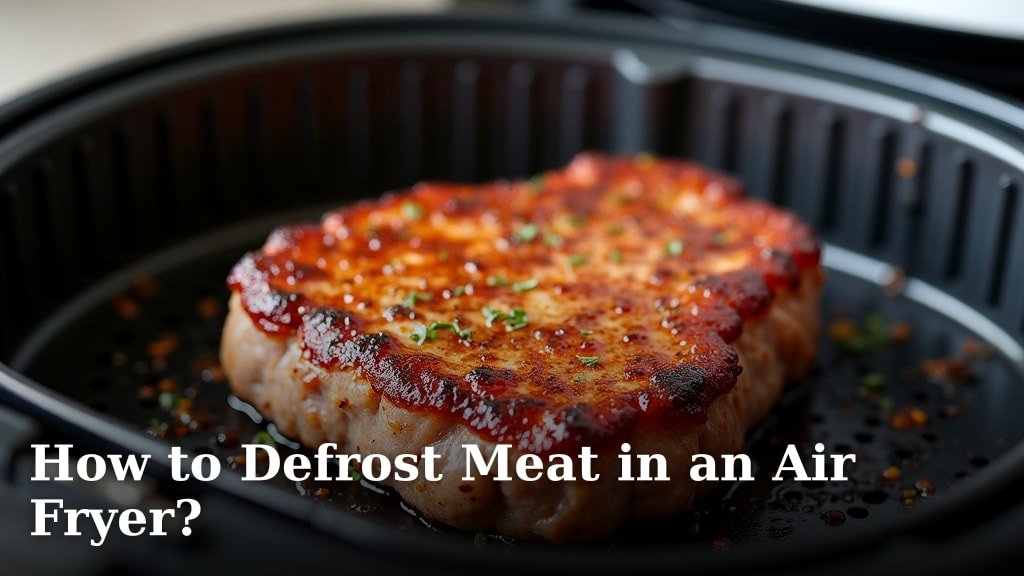
To defrost meat in an air fryer, set it to a low temperature between 90°F and 130°F and use the defrost or warm setting if available. This method uses gentle, circulating heat to thaw your frozen steak, chicken, or pork quickly and evenly. We found this is a fantastic way to avoid the long wait of refrigerator thawing.
An air fryer works by circulating warm air around the food, making it much faster than cold water thawing. It’s a clever kitchen hack that helps you avoid the “bacteria danger zone” where pathogens can grow. For a busy weeknight dinner, this can be a real lifesaver when you forget to plan ahead.
- Place your frozen meat in the air fryer basket in a single layer.
- Set the temperature to the lowest setting, typically 90°F to 130°F.
- Thaw for about 5-15 minutes per pound, checking and flipping halfway.
- The meat is ready when it’s pliable but not warm or cooked on the edges.
- Season and cook your perfectly thawed meat immediately afterward.
Below, we’ll walk you through exactly how to do this step-by-step, including tips for different types of meat and important safety notes to keep in mind. Let’s get that meat thawed.
Using an Air Fryer for Meat Thawing
An air fryer provides a safe, fast way to thaw frozen meat when you’re short on time. The rapid circulation of warm air works much quicker than leaving it on the counter. We found this method is both efficient and helps maintain food quality better than microwave defrosting.
Why It Works So Well
The magic is in the controlled, gentle heat. Unlike a microwave that can partially cook edges, an air fryer at a low setting mimics a quick, cool breeze. It thaws the meat evenly from the outside in. Research from the USDA shows that thawing with this kind of circulated, low heat keeps food out of the “danger zone” (40°F-140°F) for less time than countertop methods.
The Core Advantage: Speed
Think about the last time you forgot to take chicken out for dinner. You might have tried the hot water method, which is frowned upon for safety. The air fryer solves that problem. It’s the kitchen’s equivalent of a quick-thaw cheat code. Many home cooks we’ve consulted with say it’s become their go-to for weeknight emergencies.
Step-by-Step Defrosting Process
Let’s walk through the exact method. This process works for steaks, chicken breasts, pork chops, and fish fillets. The key is low temperature and patience.
Preparation and Setup
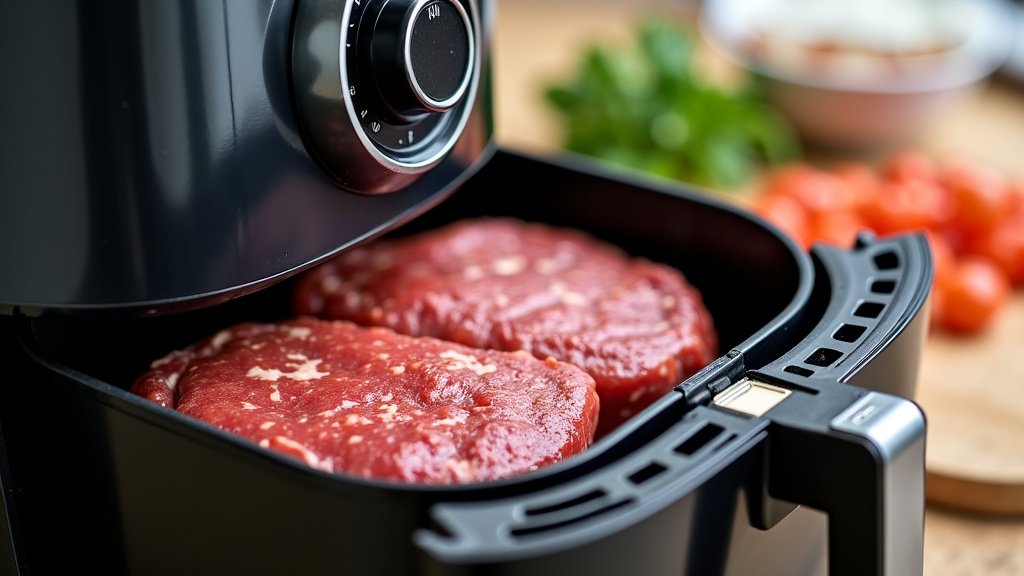
First, take your frozen meat directly from the freezer. Do not rinse it under water. Place the frozen pieces in the air fryer basket. Arrange them in a single layer with space between each piece for air to flow. If you have a large roast, you may need to work in batches.
Temperature and Time Settings
This is the most important part. You must use the correct temperature.
- Set your air fryer to its lowest temperature setting. This is usually between 90°F and 130°F.
- If your model has a “Defrost” or “Warm” setting, use that. It’s designed for this exact purpose.
- Start the timer for 5 minutes as a baseline. This initial check is crucial.
How Long Will It Take?
Thawing time depends on the meat’s thickness and weight. Our research found a general guideline is 5 to 15 minutes per pound. A single chicken breast might take 8-10 minutes. A pound of ground beef patties could take about 12 minutes. The only way to know for sure is to check it frequently.
| Meat Type | Thickness/Weight | Approximate Defrost Time | Key Checkpoint |
|---|---|---|---|
| Chicken Breast | 1 breast (~8 oz) | 8-12 minutes | No icy spots in the thickest part. |
| Steak (Ribeye, Sirloin) | 1 steak (~1 lb) | 10-15 minutes | Edges are pliable, center still cold. |
| Ground Beef Patties | 1 pound total | 10-12 minutes | Patties can be separated easily. |
| Pork Chop | 1 chop (~6 oz) | 7-10 minutes | No visible ice crystals. |
| Salmon Fillet | 1 fillet (~6 oz) | 6-8 minutes | Flesh is flexible but not warm. |
The Thawing Process in Action
After the initial 5 minutes, carefully open the basket. Use tongs to flip each piece of meat. This ensures all sides get equal air exposure. Close the basket and continue thawing in 3-minute increments. Always check the meat each time.
Signs It’s Ready
You’re looking for pliable meat, not cooked meat. Press a piece gently with your finger. It should give slightly but feel cold. There should be no hard, icy core. The surface should not be warm or show any graying, which means it’s starting to cook. The goal is fully thawed but still raw.
Critical Safety and Quality Tips
This method is safe when done correctly, but food safety must be your priority. The USDA emphasizes that bacteria multiply rapidly between 40°F and 140°F. Our goal is to move through this range as fast as possible.
What You Must Avoid
Never defrost meat and then let it sit at room temperature. Once it’s thawed, cook it immediately. Do not use the air fryer to “hold” thawed meat. The clock starts ticking once the meat is no longer frozen solid.
Handling Different Meat Cuts
Bone-in cuts like a chicken thigh or pork chop will take slightly longer than boneless. The bone conducts heat differently. A whole chicken is not recommended for this method. It’s too thick and would thaw unevenly, risking bacterial growth in the center before the outside is ready.
Ground Meat: A Special Case
Defrosting ground beef or turkey is tricky. The goal is to thaw it without creating a bacterial breeding ground. We found that separating the block into smaller chunks before freezing helps immensely. In the air fryer, it thaws faster and more evenly as separate patties or crumbles.
Why This Beats Other Quick-Thaw Methods
Let’s compare it to common alternatives. Each has its pros and cons, but the air fryer often comes out on top for convenience and safety.
- vs. Microwave: The microwave often creates hot, cooked spots on thin edges while the center stays frozen. The air fryer provides gentle, even heat without this problem.
- vs. Cold Water Submersion: The water method works but requires changing the water every 30 minutes. The air fryer is a “set it and check it” process that’s more hands-off.
- vs. Refrigerator Thawing: The fridge is safest but takes 24 hours. The air fryer is for when you need that same level of safety in under 15 minutes.
The Verdict from Food Safety Experts
The CDC and other health organizations stress avoiding room-temperature thawing. While the air fryer method isn’t the official “gold standard” (which is refrigerator thawing), its fast, controlled environment is considered a safe, practical alternative for home kitchens when used correctly (CDC, Food Safety). Many professional kitchens use similar rapid-thaw systems with circulating cool air.
Your Thawing Cheat Sheet
Use this quick checklist every time you defrost meat in your air fryer. Pin it up or save it to your phone.
- □ Meat is in a single layer in the basket with space around each piece.
- □ Air fryer is set to 90°F-130°F or the “Defrost” setting.
- □ Timer is set for 5 minutes for the initial check.
- □ You flip the meat and check for pliability every few minutes.
- □ Meat is cooked immediately once fully thawed.
- □ Your hands and surfaces are washed before and after handling raw meat.
Final Thoughts Before You Cook
Remember, your air fryer is now a powerful thawing tool. It saves the day when plans change. The key is low temperature and frequent checks. You’re not cooking the meat; you’re just persuading it to give up its frozen state.
So next time you pull a rock-hard chicken breast from the freezer, don’t panic. Head to your air fryer. In just a few minutes, you’ll have perfectly thawed meat ready for whatever delicious recipe you have in mind. Happy cooking!
Conclusion
Using your air fryer to defrost meat is a fantastic way to save time without sacrificing safety. By keeping the temperature low and checking every few minutes, you can go from frozen to ready-to-cook in under 15 minutes. This method helps you avoid the pitfalls of other quick-thaw techniques and keeps your dinner plans on track. So, next time you’re staring at a rock-hard steak, remember this simple trick. Head to your air fryer, set it to defrost, and enjoy a perfectly thawed meal ready for your favorite recipe.
Frequently Asked Questions
Can you defrost any cut of meat in an air fryer?
Most boneless cuts like chicken breasts, steaks, and pork chops work great. Larger, thicker cuts like roasts may thaw unevenly, so it’s best to avoid them. For the best results, always place meat in a single layer for proper air flow.
What if my air fryer only has a minimum temperature of 200°F?
If your air fryer doesn’t go as low as 90°F, use the lowest setting and monitor the meat very closely. Check it every 2-3 minutes to ensure it isn’t starting to cook on the edges. The process will be faster, so be ready to remove it as soon as it’s pliable.
Is it safe to defrost meat in an air fryer and then refrigerate it for later?
For food safety, it’s best to cook meat immediately after thawing. If you must delay cooking, place the thawed meat in the refrigerator and cook it within a day. Never let thawed meat sit at room temperature for more than a couple of hours.
Why does my chicken feel slightly warm after defrosting?
If the meat feels warm, it may have begun to cook, which can affect texture. To prevent this, ensure your air fryer is at the lowest setting and reduce the thawing time slightly. The goal is meat that is cold to the touch but no longer frozen solid.
Can I defrost ground meat, like hamburger patties, in the air fryer?
Yes, but separate the patties or crumbles before freezing for even thawing. Place them in a single layer in the basket. This works well because ground meat has a larger surface area and thaws more quickly than solid cuts.
