
Is a Stainless Steel Air Fryer Safer Than Non-stick?
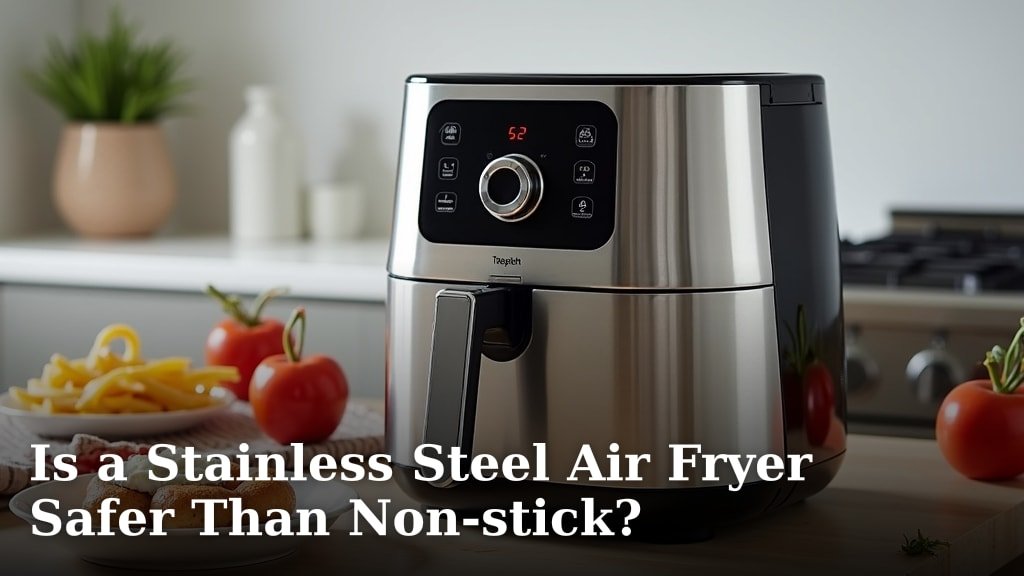
Yes, a stainless steel air fryer is generally considered safer than many non-stick options, especially if you’re concerned about chemical coatings. We found that stainless steel offers a chemically inert cooking surface. This means fewer worries about harmful substances leaching into your food.
Many people wonder about the safety of their kitchen gadgets. Concerns about PFOA and PTFE from older non-stick coatings are common. Choosing a stainless steel air fryer can give you greater peace of mind. It’s a durable and often healthier alternative for your daily cooking.
- Stainless steel is generally safer due to inert properties.
- Avoids concerns about PFOA/PTFE found in some non-stick coatings.
- Offers a durable and chemical-free cooking surface.
- A great choice for health-conscious cooking.
Ready to dive deeper? Let’s walk through why stainless steel might be the best choice for your kitchen, and what to look for when buying.
Comparing Stainless Steel and Non-Stick Air Fryers for Safety
When you’re choosing a new kitchen appliance, safety is often at the top of your mind. We understand you want to cook healthy meals without worrying about your cookware. Let’s break down the differences between stainless steel and non-stick air fryers, focusing on what matters most for your well-being.
The primary concern with non-stick air fryers often revolves around their coating. Many non-stick surfaces use chemicals to create that slick, easy-release finish. Stainless steel, on the other hand, is an alloy of metals. It doesn’t rely on a coating.
Understanding Non-Stick Coatings and Your Health
Non-stick coatings have been a kitchen staple for years. They make cooking and cleanup so much easier. But what exactly are they made of? And are they really safe?
Most traditional non-stick coatings are made with a material called Polytetrafluoroethylene (PTFE). You might know it by its brand name, Teflon. For many years, a chemical called Perfluorooctanoic Acid (PFOA) was used in the manufacturing of PTFE. This is where many of the safety concerns originated.
We found that PFOA has been linked to various health issues in studies (Environmental Protection Agency). Because of these concerns, PFOA has been largely phased out of manufacturing processes in the United States since 2013.
PFOA-Free Coatings: Are They Truly Safe?
Today, most non-stick air fryers are advertised as “PFOA-free.” This is good news, as it means the harmful chemical PFOA was not used in their production. But does PFOA-free mean completely safe? It’s a valid question.
Even without PFOA, the main component, PTFE, can still be present. PTFE itself is generally considered stable and safe at normal cooking temperatures. However, we found that when PTFE coatings are heated to very high temperatures (above 500°F or 260°C), they can break down. This breakdown can release fumes that, when inhaled, can cause flu-like symptoms. This condition is sometimes called “polymer fume fever” (Cleveland Clinic).
Air fryers often reach high temperatures. While most air frying occurs below 400°F, some models can go higher. It’s a consideration if you frequently cook at maximum temperatures or if your air fryer accidentally overheats.
The Stainless Steel Advantage: Why It’s a Top Choice
Now, let’s turn our attention to stainless steel. Why is it often recommended as a safer alternative? It comes down to its fundamental properties.
Stainless steel is an alloy, primarily made of iron, chromium, and nickel. These elements are tightly bound together. This structure makes stainless steel incredibly durable and resistant to corrosion. It doesn’t have a separate coating that can chip, scratch, or degrade over time.
We found that stainless steel is considered chemically inert. This means it’s highly unlikely to react with your food or leach any substances into it, even at high temperatures. You’re cooking directly on the metal alloy itself, not on a chemical coating.
Durability and Longevity
Beyond safety, stainless steel offers excellent durability. It’s resistant to scratches and dents. A stainless steel air fryer is built to last. You won’t have to worry about your cooking surface degrading. This means you likely won’t need to replace it as often as a non-stick model.
Think about it: have you ever had a non-stick pan where the coating started peeling? That’s not an issue you’ll face with solid stainless steel.
Potential Downsides of Stainless Steel (and How to Manage Them)
While stainless steel offers many benefits, it’s not without its own set of considerations. We believe in giving you the full picture.
The main “downside” people associate with stainless steel is its non-stick properties – or lack thereof. Stainless steel is not naturally non-stick. This means food can sometimes stick if you don’t use enough oil or if you don’t preheat properly.
However, you can mitigate this. A little cooking spray or a light brushing of oil often does the trick. Preheating your air fryer also helps. A well-seasoned stainless steel surface can also improve its release properties over time.
Another point to consider is cleaning. Stuck-on food might require a bit more scrubbing than a slick non-stick surface. But with good technique, cleanup is still straightforward. Soaking can help loosen stubborn bits.
Making Your Decision: A Side-by-Side Comparison
Let’s put it all together in an easy-to-read table. This will help you weigh the pros and cons as you make your choice.
| Feature | Stainless Steel Air Fryer | Non-Stick Air Fryer |
|---|---|---|
| Coating Type | No coating; solid metal alloy | PTFE or ceramic coating |
| Chemical Concerns | Minimal (inert material) | PFOA-free is common; PTFE fumes at high heat |
| Durability | Very high; resistant to scratches/wear | Coating can scratch/chip over time |
| Non-Stick Property | Naturally not non-stick; needs oil/prep | Excellent non-stick performance |
| Cleaning Ease | May require more scrubbing for stuck food | Generally very easy to clean |
| Health Focus | Chemically inert, no leaching concerns | Avoids PFOA; PTFE concerns at extreme heat |
Checklist for Choosing Your Safest Air Fryer
Ready to make a choice? Here’s a quick checklist to guide you towards the safest air fryer for your needs:
- Consider Stainless Steel First: If chemical coatings are your main concern, prioritize stainless steel models.
- Check for “PFOA-Free” on Non-Stick: If you opt for non-stick, always ensure it clearly states “PFOA-free.”
- Review Temperature Limits: Be aware of the maximum temperature your air fryer reaches, especially with non-stick.
- Read User Reviews: See what other users say about durability and coating longevity.
- Think About Your Cooking Style: How often do you cook? Do you mind a little extra oil for non-stick benefits?
- Ease of Cleaning: Stainless steel might take a bit more effort, but some find it a worthwhile trade-off for safety.
Tips for Safe Air Frying, No Matter Your Choice
Regardless of whether you choose stainless steel or non-stick, there are always ways to ensure safe cooking practices. Your health is important, and a few simple habits can make a big difference.
First, always follow the manufacturer’s instructions. This includes recommended cooking temperatures and cleaning guidelines. Don’t try to push your appliance beyond its limits.
Ensure good ventilation in your kitchen. If you’re using a non-stick air fryer and cooking at higher temperatures, proper airflow helps dissipate any potential fumes. Open a window or turn on your range hood.
Regular cleaning is also key. Food residue can not only affect performance but can also become a breeding ground for bacteria. Keep your air fryer sparkling clean after every use.
When cooking with non-stick, avoid using metal utensils. They can scratch the coating and potentially release small particles. Opt for silicone, wood, or plastic utensils instead. With stainless steel, you have more freedom, but silicone is always a gentle choice.
We found that many people prefer to cook with less oil in an air fryer. This is one of its great benefits! But remember, a tiny bit of oil can often enhance crispiness and prevent sticking, especially in stainless steel baskets. For more details on oil usage, explore whether you can air fry with olive oil.
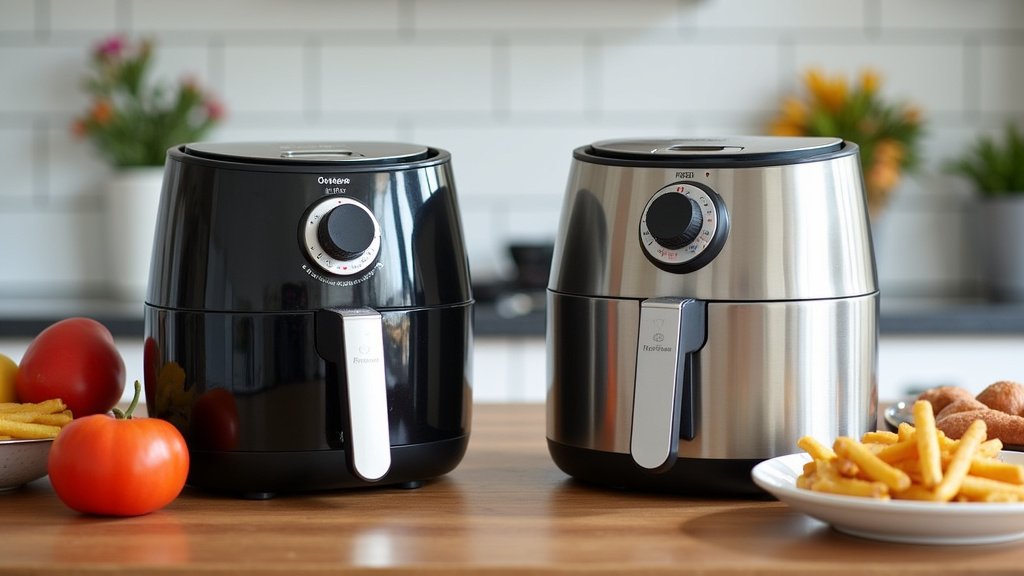
Ultimately, your choice depends on your priorities. If maximum chemical inertness and long-term durability without coating concerns are your goal, stainless steel is a very strong contender. If extreme ease of food release is paramount and you’re comfortable with PFOA-free coatings and mindful use, a non-stick air fryer can still be a good option for you.
Conclusion
Choosing an air fryer often comes down to balancing convenience and peace of mind. We’ve explored how stainless steel offers a chemically inert cooking surface. This removes concerns about coatings. Non-stick options, while PFOA-free, still have considerations at very high temperatures. Your decision hinges on your comfort level with these factors.
Ultimately, a stainless steel air fryer provides a durable, coating-free cooking experience. If you prioritize maximum inertness and longevity, it’s a strong choice. Weigh your cooking habits against these safety aspects to select the best air fryer for your healthy kitchen.
Frequently Asked Questions
Is it safe if my non-stick air fryer gets scratched?
If your non-stick air fryer’s coating gets scratched, small particles might flake into your food. While PFOA-free coatings are generally safer, it’s often best to replace scratched non-stick cookware to avoid ingesting these materials.
Can I use metal utensils in a stainless steel air fryer?
Yes, you can generally use metal utensils in a stainless steel air fryer without worrying about damaging a coating. Stainless steel is very durable. However, silicone or wooden tools can still help prevent minor scrapes and are often gentler.
How do I prevent food from sticking in a stainless steel air fryer?
To prevent sticking in a stainless steel air fryer, preheat it properly before adding food. A light coating of cooking oil or spray on your food or the basket also helps immensely. You might also find flipping food halfway through cooking reduces sticking.
Are ceramic non-stick air fryers safer than PTFE non-stick?
Ceramic non-stick coatings are often marketed as a natural, safer alternative. They typically don’t use PTFE or PFOA. However, ceramic coatings can still degrade over time and may not be as durable as stainless steel, sometimes losing their non-stick properties sooner.
Does a stainless steel air fryer affect food taste?
No, a stainless steel air fryer will not affect the taste of your food. Stainless steel is chemically inert, meaning it won’t react with acids or flavors in your food. You get the pure taste of your ingredients.
