
Is It Safe to Line an Air Fryer with Foil?
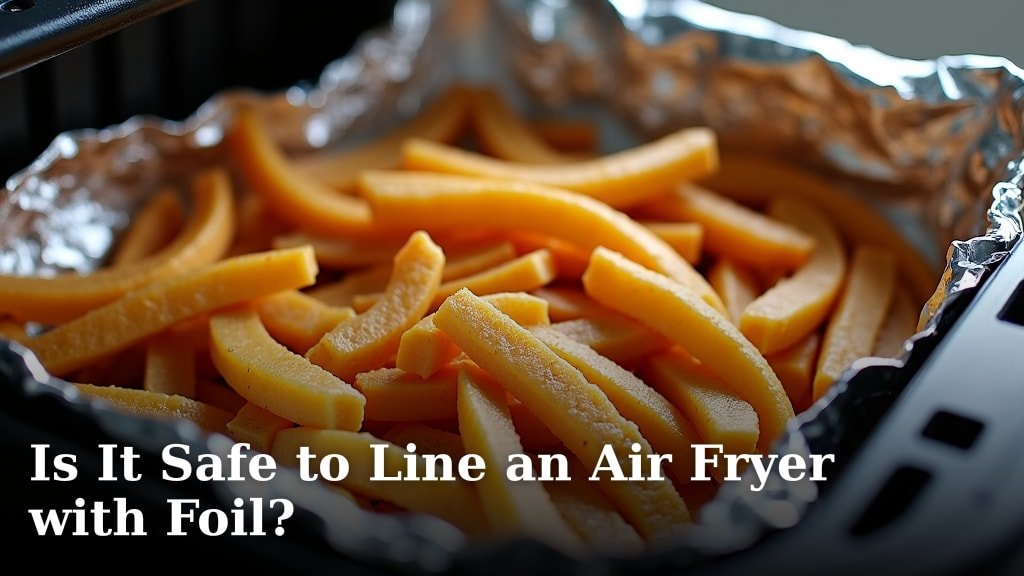
Yes, it is generally safe to line an air fryer with foil, but there are a few important things to keep in mind. You can use aluminum foil in your air fryer as long as you use it correctly and avoid certain mistakes.
Many home cooks love air fryers for their convenience. Using foil can make cleanup easier and prevent food from sticking. We found that proper placement of foil is key for safe and efficient cooking.
- Foil is safe if used correctly.
- Avoid covering the air fryer basket entirely.
- Ensure air can circulate freely.
- Never preheat an empty air fryer with foil.
- Keep foil away from heating elements.
So, let’s look at how you can safely use aluminum foil in your air fryer for hassle-free meals.
Understanding Foil Use in Your Air Fryer
Yes, you can use aluminum foil in your air fryer safely. We found that correct placement is essential for both safety and cooking performance.
Lining your air fryer with foil can be a real time-saver. It helps with cleanup, catches drips, and can even prevent delicate foods from sticking. But let’s be clear: it’s not a free-for-all. You need to use it thoughtfully.
The Science Behind Safe Foil Use
Aluminum foil is generally safe for cooking. It withstands high temperatures well, making it a common kitchen item for baking, grilling, and roasting. Your air fryer gets hot, but usually not hot enough to cause issues with foil when used properly.
However, foil can reflect heat. This reflective quality is why you must avoid certain practices. It affects how your food cooks and can even create hot spots if not managed correctly. We’ll dive into the specifics shortly.
Benefits of Using Foil in Your Air Fryer
Why even bother with foil? Many home cooks swear by it for good reasons. It offers several practical advantages.
- Easier Cleanup: This is probably the number one reason. A foil-lined basket means less scrubbing later.
- Prevents Sticking: Food like cheesy dishes or marinated items won’t stick to the basket.
- Catches Drips: Greasy foods can drip, making a mess. Foil acts as a barrier.
- Retains Moisture: For some foods, a loose foil cover can help keep them from drying out too much.
Think of it as a little helper for your air fryer. It simplifies things, especially on busy weeknights.
How to Properly Line Your Air Fryer with Foil
Getting it right is simple once you know the rules. The main goal is to allow plenty of airflow. Air fryers work by circulating hot air, so you don’t want to block that.
Key Steps for Safe Application
Here’s a quick guide to using foil effectively without any drama.
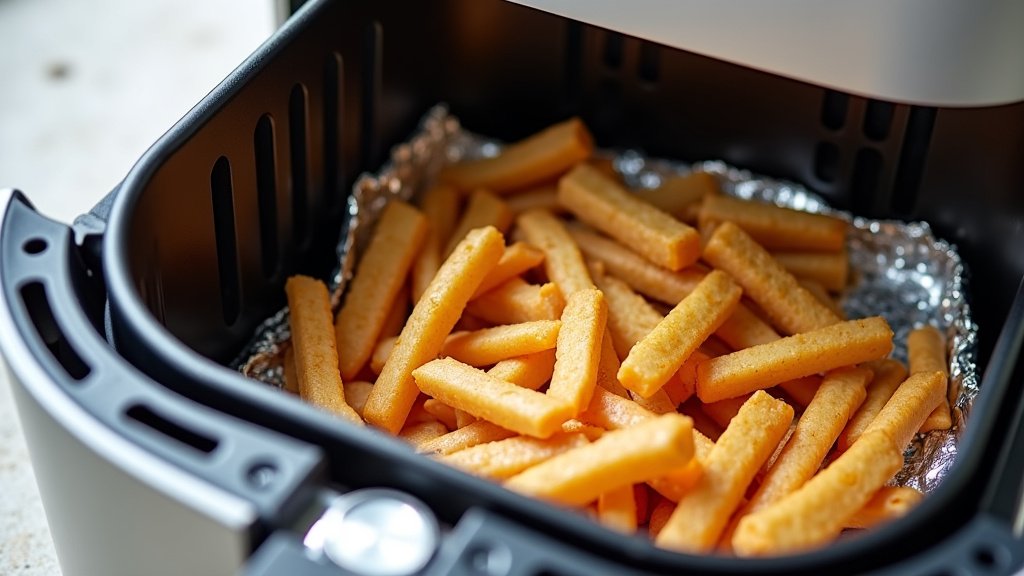
- Choose the Right Size: Don’t use a huge sheet. Cut or tear a piece of foil that fits the bottom of your basket, with some room around the edges.
- Don’t Cover All Holes: This is critical. Your air fryer basket usually has holes or a grate. These are there for air circulation. Foil should never block these completely.
- Shape It Right: Mold the foil to the bottom of the basket. You want it to sit flat and not flap around.
- Add Food Quickly: Once the foil is in, add your food. This helps weigh it down and keeps it from flying up into the heating element.
Imagine your air fryer basket is a tiny wind tunnel. You want the air to flow freely around your food, not get trapped by a foil blanket.
When to Use Foil and When to Avoid It
Foil isn’t always the best choice. Some foods benefit, while others do not. When should you reach for it?
- Best for: Greasy foods (bacon, sausages), cheesy dishes (nachos, grilled cheese), marinated items, foods that tend to stick (fish with skin).
- Avoid for: Foods that need to be extra crispy (fries, chicken wings). The foil can prevent direct contact with the hot air, leading to a less crispy result.
If you’re aiming for that perfect crunch, skip the foil. For easy cleanup, it’s your friend.
Potential Risks and How to Avoid Them
While generally safe, there are specific situations where foil can cause issues. Knowing these can help you avoid problems.
Risk of Impeding Airflow
This is the biggest concern. An air fryer needs hot air to circulate freely. If you cover too many holes or the entire basket bottom, you hinder this process. This means your food won’t cook evenly, and it could even put stress on your appliance.
We found that leaving at least 1-2 inches around the edges of the foil helps maintain proper airflow.
Risk of Contact with Heating Element
Aluminum foil is lightweight. If it’s not held down by food, the circulating air can push it up. If the foil touches the heating element, it can melt, burn, or even cause a short circuit. This is a serious safety concern.
Never preheat an empty air fryer with foil inside. Always add food immediately after placing the foil.
Acidic Foods and Aluminum Interaction
This is a less common but still valid point. Highly acidic foods, like those with lemon juice, vinegar, or tomatoes, can react with aluminum. Over time, this reaction can cause small amounts of aluminum to leach into your food (CDC).
While the amount is usually minimal and generally not a health concern for most people, it’s something to consider. If you frequently cook highly acidic foods, parchment paper might be a better alternative.
Comparing Foil with Other Air Fryer Liners
Foil isn’t your only option. There are other materials you can use to line your air fryer, each with its own pros and cons.
| Liner Type | Pros | Cons |
|---|---|---|
| Aluminum Foil | Inexpensive, widely available, good for greasy foods, easy cleanup. | Can block airflow, reacts with acidic foods, can fly into heating element. |
| Parchment Paper | Non-stick, good for delicate foods, safe with acidic foods, less risk of flying up. | More expensive than foil, can still block some airflow if not cut properly, usually not reusable. |
| Silicone Liners | Reusable, eco-friendly, excellent non-stick, very durable, easy to clean. | Can be more expensive upfront, may affect crispiness slightly, can be bulky to store. |
When to Choose Parchment Paper
Parchment paper is a fantastic alternative, especially for baking or delicate items. It’s naturally non-stick and doesn’t react with acidic foods. We found that pre-cut perforated parchment liners are particularly convenient. They already have holes, solving the airflow problem.
Just like foil, make sure parchment paper is weighed down by food. It can also fly up if the air fryer is empty or if it’s too light.
The Benefits of Silicone Liners
Silicone liners are growing in popularity for good reason. They are reusable, durable, and super easy to clean. They also often come with ridges that allow air to circulate underneath the food, promoting even cooking.
If you’re looking for a more eco-friendly and long-term solution, a silicone liner is a great investment. They come in various shapes and sizes to fit different air fryer models.
Your Air Fryer Foil Checklist
To keep things safe and simple, here’s a quick list to run through before you start cooking with foil:
- Is the foil secure? Make sure it’s weighed down by food.
- Is there enough airflow? The foil should not cover all the basket holes.
- Is the foil away from the heating element? Avoid placing foil near the top heating coil.
- Are you cooking acidic foods? Consider parchment paper for these.
- Are you preheating? Never preheat an empty air fryer with foil.
Conclusion
You can safely use aluminum foil in your air fryer when you follow a few simple rules. Always ensure proper airflow by leaving space around the foil, and never let it touch the heating element. We found that placing food on top of the foil immediately after inserting it helps keep it secure. Remember to consider alternatives like parchment paper or silicone liners, especially for acidic foods or if you want extra crispiness.
By keeping these tips in mind, you’ll enjoy easier cleanup and perfectly cooked meals. Now go ahead and experiment confidently with foil in your air fryer!
Frequently Asked Questions
Can I use aluminum foil for all types of food in an air fryer?
While foil is great for greasy or sticky foods, it’s not ideal for everything. For dishes that need maximum crispiness, like fries or chicken wings, skipping the foil allows more direct hot air circulation. Consider what texture you want for your meal.
How can I prevent the foil from flying around in my air fryer?
The best way to prevent foil from flying up is to weigh it down with food immediately. Never preheat your air fryer with an empty piece of foil inside. You should also ensure the foil is molded to the basket bottom and not too large for the space.
Is it better to use perforated foil in an air fryer?
Perforated foil or parchment paper liners are an excellent choice because they come with pre-made holes. These holes ensure that air can circulate properly, which is crucial for even cooking in an air fryer. If you use regular foil, make sure to leave gaps around the edges.
What temperature is safe for aluminum foil in an air fryer?
Aluminum foil is generally safe for the temperatures typically reached in an air fryer, which are usually between 300°F and 400°F (150°C and 200°C). The main concern isn’t the temperature itself, but rather preventing the foil from touching the heating element.
Can foil scratch the non-stick coating of my air fryer basket?
Generally, aluminum foil itself is soft and unlikely to scratch a durable non-stick coating. However, if you aggressively scrub the foil against the basket or use sharp utensils to remove food from foil that’s stuck, you could potentially cause damage. Handle your basket gently.
