
Why Is My Air Fryer Smoking?
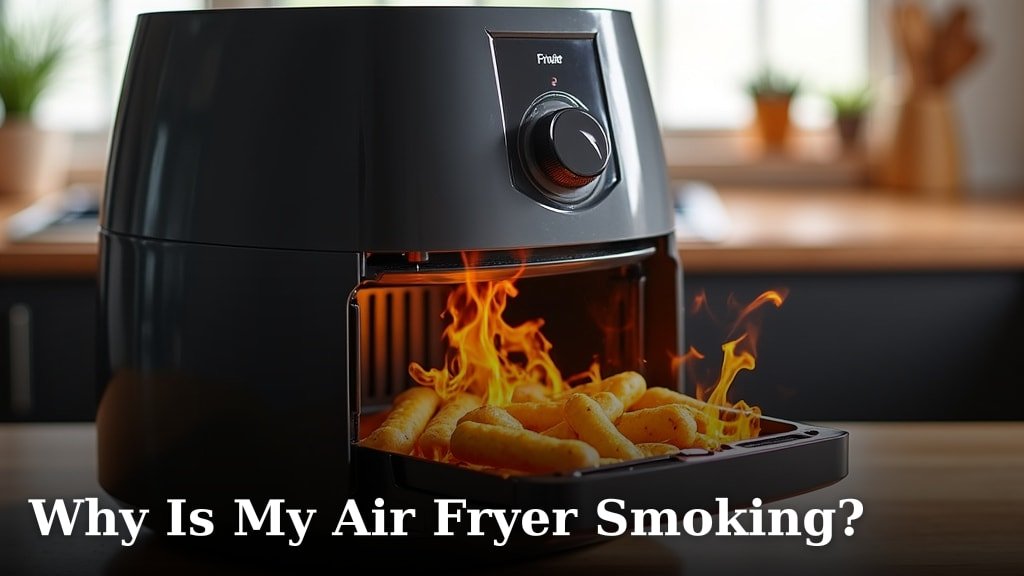
Your air fryer is smoking because food debris, grease buildup, or leftover oil are burning off inside the appliance. This is often harmless but can be a sign that your air fryer needs a good cleaning. Sometimes, you might be cooking a fatty food at too high a temperature.
You might notice a smoky smell or even see wisps of smoke coming from your air fryer. Don’t panic just yet; this is a fairly common occurrence. We found that most cases of a smoking air fryer are related to simple maintenance or cooking adjustments. It’s usually not a sign of a broken appliance.
- Grease and food bits can burn.
- Fatty foods often cause smoke.
- High temperatures contribute to the problem.
- Regular cleaning helps prevent smoking.
Let’s walk through the exact reasons why your air fryer might be smoking and what you can do about it. We’ll help you get back to perfectly crispy food, smoke-free!
Common Reasons Your Air Fryer Smokes
Most often, a smoky air fryer is a sign of simple maintenance issues or adjustments needed for your cooking. We found that the biggest culprits are leftover food and grease.
Food Particles and Grease Buildup
Think of your air fryer like a small, powerful oven with a fan. If there are stray crumbs or oil splatters inside, they’ll get super hot. The rapid air circulation then burns these bits, causing smoke. This is the most common reason for a smoking air fryer.
Old Food Bits Burning
After you cook, tiny pieces of food can fall through the basket onto the heating element or the bottom of the air fryer. If you don’t clean it thoroughly, these bits will cook again during your next use. They’ll char and produce smoke, sometimes with an unpleasant smell.
Grease Splatters and Residue
When you cook greasy foods, oil can splash onto the heating coils or the inside walls. This grease then bakes on over time. During your next cooking cycle, this old, caked-on grease gets reheated and can start to smoke. It’s similar to leaving an oily pan on a hot stove (Cleveland Clinic).
Cooking Fatty Foods
Some foods naturally release a lot of fat when they cook. This fat can drip down and collect at the bottom of your air fryer. When enough fat builds up and gets very hot, it can start to smoke. This is often seen when cooking things like bacon or certain cuts of chicken wings.
High-Fat Content and Dripping
Foods rich in fat, like sausages, certain cuts of steak, or even some frozen processed foods, can be smoke culprits. As the fat renders out, it drips onto the pan below. If this pan gets too hot, the pooled fat will reach its smoke point and start producing smoke. This isn’t necessarily a sign of a dirty air fryer, but rather a characteristic of the food itself.
You might notice this more with larger batches of fatty foods, as more fat accumulates. It’s a natural cooking process, but in an enclosed space like an air fryer, it becomes more noticeable.
Preventing Your Air Fryer From Smoking
The good news is that most smoking issues are easy to fix or prevent. A few simple habits can keep your air fryer clean and smoke-free. We found that attention to detail makes all the difference.
Regular and Thorough Cleaning
This is probably the most important step. A clean air fryer is a happy, smoke-free air fryer. You need to clean it after every few uses, especially if you’ve cooked anything greasy.
Post-Cook Cleaning Routine
After each use, let your air fryer cool down completely. Then, remove the basket and drawer. We recommend washing these parts with warm, soapy water. Use a non-abrasive sponge to scrub away any food residue or grease. For stubborn spots, a soft brush can be helpful. Make sure to dry everything thoroughly before reassembling.
Don’t forget the inside of the air fryer itself. Use a damp cloth to wipe down the heating element and the interior. You’d be surprised how much grease can accumulate there! This simple step can drastically reduce smoke.
Deep Cleaning for Stubborn Buildup
Sometimes, a quick wash isn’t enough. If you have sticky, baked-on grease, you might need a deeper clean. You can make a paste of baking soda and water and apply it to the stubborn spots. Let it sit for 15-20 minutes, then scrub gently. For the heating element, ensure the air fryer is unplugged, and use a damp cloth to carefully wipe it clean (Food & Drug Administration).
Consider cleaning your air fryer’s heating coils if you see dark, built-up residue. A soft toothbrush can help reach these areas. Just be careful not to damage anything!
Adjusting Your Cooking Techniques
How you cook can also impact whether your air fryer smokes. Small changes can make a big difference in preventing unwanted smoke. Have you tried adjusting your temperature or using less oil?
Using Less Oil and Proper Oil Type
While air frying uses less oil than deep frying, you still need to be mindful. Too much oil, especially if it pools, can cause smoke. When you use oil, a light spritz or brush is usually enough. Also, consider the type of oil. Oils with a high smoke point, like avocado oil or refined sunflower oil, are better choices than extra virgin olive oil when cooking at higher temperatures. They can withstand more heat before smoking.
Lowering Temperatures for Fatty Foods
If you’re cooking something particularly fatty, try lowering the temperature slightly. For instance, if you usually cook bacon at 400°F, try 350°F. This allows the fat to render out more slowly, reducing the chance of it reaching its smoke point. You might need to extend the cooking time slightly, but it’s worth it for a smoke-free experience.
You can also place a slice of bread at the bottom of your air fryer drawer when cooking super fatty foods. The bread will absorb the excess fat, preventing it from pooling and smoking. Just remember to discard it afterward.
What If Your Air Fryer Still Smokes?
You’ve cleaned it, adjusted your cooking, and it’s still smoking. What then? Don’t worry, there are a few more things to check. Sometimes the issue is a little less obvious.
Checking for Other Issues
Occasionally, the smoke might not be from food or grease. It could be something else entirely. It’s worth a quick check to rule out other problems.
Manufacturer Residue or First Use Smoke
Did you just get your air fryer? It’s common for new appliances to emit a slight smell or even some smoke during their first few uses. This is usually due to manufacturing oils or protective coatings burning off. It’s typically harmless and should dissipate after a couple of uses. We often see this reported with new kitchen gadgets.
Damaged Components
In rare cases, smoke could indicate a more serious issue, such as a damaged heating element or internal wiring. If you notice a burnt plastic smell, unusual noises, or visible damage, unplug your air fryer immediately. This is not normal and could be dangerous. Contact the manufacturer or a qualified repair person if you suspect this is the case.
A quick visual inspection of the heating coils can sometimes reveal issues. Are they bent or discolored in an odd way? These could be signs of a problem.
Quick Troubleshooting Checklist
Before you get too worried, run through this quick checklist. It helps you pinpoint the problem and find a solution quickly. It’s like a rapid-fire detective game for your kitchen appliance!
- Is it clean? Remove the basket and drawer, inspect for food debris or grease.
- What are you cooking? Are you air frying a high-fat item like bacon or sausages?
- How much oil? Did you use too much oil, or an oil with a low smoke point?
- Is the temperature too high? Try lowering the temp for fatty foods.
- Is it a new air fryer? First-time use smoke is often normal.
- Any unusual smells or sounds? Unplug immediately if you detect burning plastic or strange noises.
By following these steps, you’ll likely resolve your air fryer’s smoking issue. Most times, it’s something very simple that just needed your attention. Happy air frying!
Conclusion
Don’t let a little smoke derail your air frying adventures! We found that a smoking air fryer is rarely a serious issue. Most of the time, it comes down to grease buildup, food particles, or fatty foods cooking at high temperatures. A bit of regular cleaning and tweaking your cooking method can often solve the problem.
You now have the tools to troubleshoot and prevent this common kitchen annoyance. So, take a moment to clean your appliance, adjust your settings, and get back to enjoying perfectly crispy, smoke-free meals. Happy air frying!
Frequently Asked Questions
Is it normal for a new air fryer to smoke on first use?
Yes, it’s quite common for new air fryers to emit a slight smell or even some smoke during their first few uses. This is usually due to manufacturing oils or protective coatings burning off. It should dissipate after a couple of uses.
Can I put water in my air fryer to stop it from smoking?
We do not recommend putting water directly into the air fryer’s cooking chamber, especially if it’s hot. This can cause electrical hazards or damage the appliance. Instead, identify the source of the smoke and clean it, or adjust your cooking method.
How often should I clean my air fryer to prevent smoking?
We suggest cleaning the basket and drawer with warm, soapy water after every use, especially after cooking greasy foods. A more thorough deep clean of the interior and heating element should be done every few weeks or as needed.
Why does my air fryer smell like burning plastic, and what should I do?
A burning plastic smell is not normal and could indicate a serious issue with internal components or wiring. If you experience this, unplug your air fryer immediately. Do not use it again and contact the manufacturer or a qualified repair person for inspection.
Can using parchment paper or foil help prevent air fryer smoke?
Yes, strategically placed parchment paper or aluminum foil (designed for air fryers and not blocking airflow) can catch drips from fatty foods. This prevents fat from pooling and smoking on the bottom of the basket. Ensure they don’t touch the heating element.
