
Can You Use Cooking Spray in an Air Fryer?
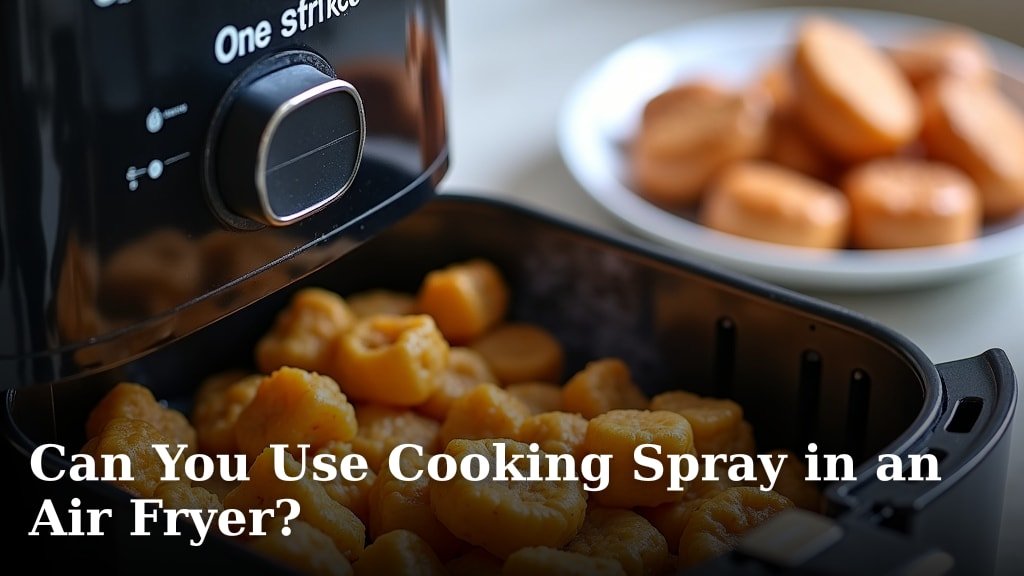
No, you generally should not use regular cooking spray in an air fryer. We found that most standard cooking sprays contain ingredients like propellants and emulsifiers that can damage the non-stick coating of your air fryer basket over time. This can make your air fryer less effective and harder to clean.
You might be wondering, “But it’s just oil, right?” Unfortunately, it’s not that simple. These sprays often leave a sticky residue that bakes onto the basket. This residue can be very tough to remove and can cause your food to stick more in the long run.
TL;DR:
- Avoid regular cooking sprays in air fryers.
- They can damage the non-stick coating.
- Propellants and emulsifiers cause issues.
- Residue buildup is hard to clean.
- Food will stick more over time.
So, what should you use instead to keep your food from sticking? Let’s dive into the best practices and alternatives to keep your air fryer in top shape and your food perfectly crispy.
Why You Should Rethink Standard Cooking Sprays for Your Air Fryer
You’ve likely heard the advice before: avoid regular cooking sprays in your air fryer. But why exactly is this the case? It all comes down to the ingredients and their interaction with your air fryer’s surfaces. We found that the consequences can range from annoying residue to actual damage to your appliance.
The Problem with Propellants and Emulsifiers
Most aerosol cooking sprays aren’t just oil in a can. They contain more than you might think. We found that ingredients like propellants and emulsifiers are often added. These are designed to make the spray come out evenly and prevent the oil from separating in the can.
What Are Propellants and Emulsifiers?
Propellants are the gases that push the oil out of the can. Think of them as the engine for your spray. Emulsifiers, on the other hand, help mix ingredients that don’t usually blend, like oil and water. They keep the spray consistent. While useful in the can, these ingredients can become problematic when heated in your air fryer.
When these chemicals are exposed to high heat in your air fryer, they can break down. This breakdown contributes to the sticky, hard-to-remove film you might notice. It’s not just oil you’re dealing with; it’s a chemical reaction. This residue can build up over time, making cleaning a nightmare.
Damage to Non-Stick Coatings
The biggest concern for many air fryer owners is the potential damage to the non-stick coating. Your air fryer basket and tray usually have a special non-stick surface. This surface is what keeps your food from clinging, making cooking and cleanup much easier.
Regular cooking sprays can act like tiny sandpaper on this coating. Over time, the accumulated residue and the chemicals within the spray can break down the non-stick properties. This leads to food sticking more often. You might find yourself scrubbing harder, which further degrades the surface. It’s a vicious cycle.
A damaged non-stick coating isn’t just an inconvenience. It affects your cooking results. Food won’t get as crispy if it’s stuck to the bottom. Plus, cleaning becomes a constant battle, rather than a quick rinse. We found that premature wear and tear on the non-stick coating is a common complaint among those who use regular cooking sprays.
Safer Alternatives to Keep Food from Sticking
So, if regular cooking spray is out, what can you use? Don’t worry, you have plenty of safe and effective options. The goal is to apply a thin, even layer of oil without damaging your appliance. We want your air fryer to last a long time and perform its best.
Oil Sprayers and Misters
This is by far the most popular and recommended alternative. An oil sprayer or mister is a device you fill with your own cooking oil. It then creates a fine mist of oil. This gives you the even coverage you need without the harmful propellants or emulsifiers found in aerosol cans.
There are many types available. Some use a pump mechanism, others use air pressure. Choose one that’s easy to clean and produces a consistent spray. This tool gives you control over the type and amount of oil you use. This is a game-changer for healthy air frying.
Brushing or Tossing with Oil
Sometimes, the simplest methods are the best. For many foods, you don’t even need a spray. You can simply brush a thin layer of oil directly onto your food or the air fryer basket. A silicone pastry brush works wonders for this. It’s easy to clean and won’t scratch surfaces.
For items like chicken wings or chopped vegetables, tossing them in a bowl with a small amount of oil before placing them in the air fryer is highly effective. This ensures even coating on all sides. It’s a bit more hands-on but guarantees every piece gets that perfect crisp.
Using Parchment Paper or Silicone Liners
To further prevent sticking and make cleanup even easier, consider using air fryer parchment paper liners or silicone liners. These are designed to fit your air fryer basket. They create a barrier between your food and the basket, meaning less residue builds up.
Parchment paper liners are disposable and great for quick cleanup. Just make sure to get ones with holes for proper air circulation. Silicone liners are reusable, making them an eco-friendly choice. They are also super easy to wash. Both options help protect your air fryer’s non-stick coating from friction and residue.
Safe Oils for Air Frying
Not all oils are created equal, especially when it comes to high-heat cooking like air frying. You want to choose oils with a high smoke point. The smoke point is the temperature at which an oil starts to burn and break down. When an oil burns, it can impart an unpleasant flavor to your food and even create harmful compounds.
Here’s a quick guide to some good options (Cleveland Clinic):
- Avocado Oil: Very high smoke point (around 520°F / 270°C). Great for almost all air fryer recipes.
- Grapeseed Oil: High smoke point (around 420°F / 215°C). A good neutral-flavored choice.
- Canola Oil: Moderately high smoke point (around 400°F / 204°C). A common and affordable option.
- Vegetable Oil: Similar smoke point to canola (around 400°F / 204°C). Usually a blend of different plant oils.
- Light Olive Oil: Higher smoke point than extra virgin (around 470°F / 243°C). Regular olive oil is fine for many air fryer uses, but avoid extra virgin for very high temps.
Avoid oils with low smoke points, like extra virgin olive oil or butter, for extended high-heat air frying. These are better suited for lower temperature cooking or finishing dishes. Using the right oil protects your food’s flavor and your health.
Keeping Your Air Fryer Clean and Performing Well
Proper maintenance is key to a long-lasting air fryer. Cleaning your air fryer regularly prevents sticky buildup. This is true whether you use spray or not. A clean air fryer cooks better and more efficiently. It also ensures your food tastes great every time.
Best Practices for Air Fryer Maintenance
Here are some simple steps to keep your air fryer in top shape:
- Clean After Every Use: Don’t let food residue sit and bake on. Wash the basket and tray with warm, soapy water after each use.
- Avoid Abrasive Cleaners: Use soft sponges or cloths. Harsh scrubbers can scratch the non-stick coating.
- Soak if Needed: For tough, stuck-on food, let the basket soak in warm, soapy water for 15-20 minutes. This often loosens the debris.
- Check Manufacturer Guidelines: Always refer to your air fryer’s manual for specific cleaning instructions. Some parts might be dishwasher safe, others not.
- Regular Deep Cleans: Every few uses, give your air fryer a more thorough cleaning. Wipe down the interior heating element if safe to do so (when cool and unplugged).
- Protect the Non-Stick: By using safe oils and cleaning gently, you’ll extend the life of your non-stick surfaces.
A little care goes a long way. Think of your air fryer as a trusted kitchen companion. Treating it well ensures it will keep delivering delicious, crispy meals for years to come. Isn’t that what we all want from our appliances?
Conclusion
You’ve learned that regular cooking sprays are a no-go for your air fryer. Their propellants and emulsifiers can degrade non-stick coatings and create stubborn residue. This makes cleanup a headache and reduces your air fryer’s lifespan. We want your appliance to perform at its best, always.
Instead, embrace oil misters, brushing with oil, or using liners. These simple changes protect your investment and improve your cooking results. Choose high smoke point oils for optimal flavor and health. By making these small adjustments, you’ll keep your air fryer happy and enjoy perfectly crispy food for years to come.
Frequently Asked Questions
Can I use butter in my air fryer?
While delicious, butter has a low smoke point. It can burn easily in an air fryer, leading to smoke and an unpleasant taste. We recommend using oils with higher smoke points for most air frying tasks.
What happens if I accidentally use regular cooking spray in my air fryer?
Don’t panic! A single use isn’t likely to cause permanent damage. However, repeated use will lead to sticky residue and non-stick coating breakdown over time. Just switch to safer alternatives for future cooking sessions.
How do I remove the sticky residue if I’ve already used cooking spray?
Try soaking the air fryer basket in warm, soapy water for an hour or two. A non-abrasive sponge or soft brush can then help gently scrub away the residue. Avoid harsh chemicals or metal scrubbers.
Are “air fryer specific” cooking sprays safe to use?
Some brands offer sprays marketed specifically for air fryers. Always check the ingredients list to ensure they are propellant and emulsifier-free. We found that many of these are simply oil in a pump or bag, which is a safer choice.
Can I put aluminum foil in my air fryer?
Yes, you can generally use aluminum foil in your air fryer, but with some precautions. Ensure it doesn’t block air circulation or touch the heating element. It can be useful for easy cleanup, similar to parchment paper.
