
Can You Air Fry without Oil?
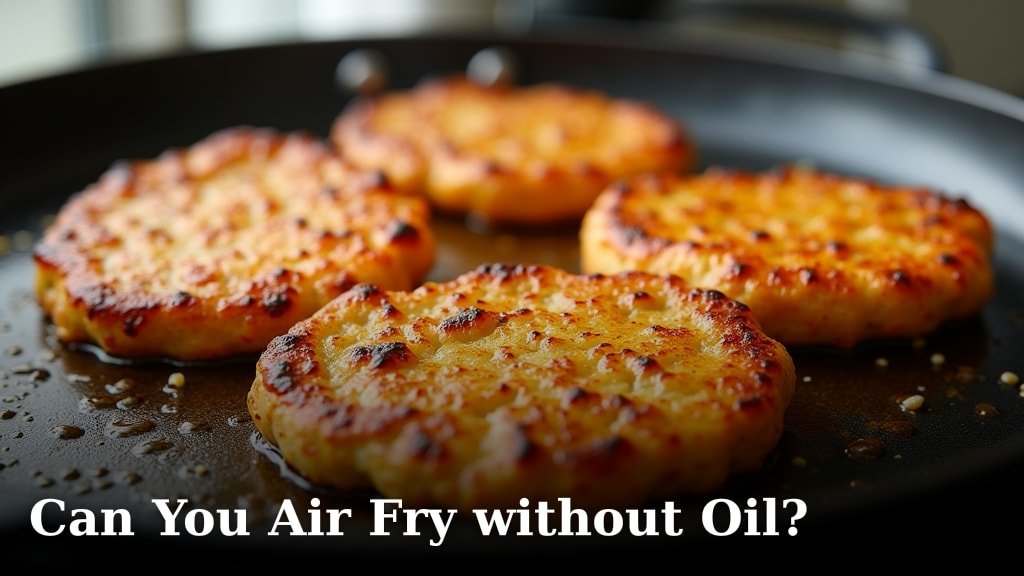
Yes, you absolutely can air fry without oil, especially if you’re looking for a healthier cooking method. While a tiny spritz can enhance texture, many foods cook perfectly well in an air fryer with no oil added at all. This kitchen gadget works by circulating hot air, not by needing oil for frying.
You might be wondering if your food will still get that crispy texture without oil. Good news! We found that the air fryer’s powerful convection mimics deep-frying results using far less fat. This makes it an ideal choice for a lighter meal without sacrificing crunch.
- Air fryers cook with hot air, not oil.
- You don’t need oil for most air fryer recipes.
- Using less or no oil makes air-fried food healthier.
- Food can still get crispy without any added oil.
- This method reduces fat and calories in your meals.
Let’s dive in and discover how you can get delicious, oil-free results from your air fryer, making mealtime easier and healthier.
Mastering Oil-Free Air Frying Techniques
You’re probably wondering how to achieve that perfect crispness without a drop of oil. The good news is, your air fryer is designed to do just that. It uses powerful convection heat to cook food evenly and create a crunchy exterior.
Think of it like a tiny, super-efficient convection oven. The fan circulates hot air all around your food, removing moisture from the surface. This drying effect is what gives you that satisfying crispy texture we all love.
Understanding How Air Fryers Work Their Magic
At its heart, an air fryer is a compact countertop appliance with a heating element and a powerful fan. This fan is the real star of the show. It moves hot air around your food at high speed.
This rapid air circulation creates a “Maillard reaction” on the food’s surface. That’s the scientific term for the browning and crisping process. It’s the same reaction that gives roasted coffee beans or a seared steak their delicious flavor and color (Food Science of Cooking).
Because the air is circulating so quickly, it mimics the effect of deep frying, but without the need for a large amount of hot oil. This means you can enjoy your favorite “fried” foods with significantly less fat.
Foods That Shine Without Oil in an Air Fryer
Many foods naturally perform wonderfully in an air fryer with no added oil. These are typically items that already have some moisture or fat content, or those that get crispy easily. You’ll find yourself reaching for your air fryer more often for these.
- Frozen Foods: Think French fries, chicken nuggets, fish sticks, and mozzarella sticks. These items are often pre-cooked and coated, so they crisp up beautifully without extra oil.
- Vegetables: Certain vegetables, like broccoli, cauliflower, Brussels sprouts, and bell peppers, can get deliciously tender-crisp. Just a little seasoning is usually enough.
- Breads and Pastries: Reheating leftover pizza, warming up croissants, or toasting bagels works great. They become wonderfully warm and lightly crispy.
- Proteins: Chicken wings (especially skin-on), bacon, and some cuts of fish can cook well. The natural fats render out, helping them crisp up.
Experimentation is key! You might be surprised by what tastes great without any oil. Your air fryer can become a versatile tool for healthier cooking.
Tips for Achieving Crispy Results Without Oil
You want that satisfying crunch, right? Even without oil, it’s totally achievable. It just takes a few simple adjustments to your usual cooking routine. These tips will help you get the most out of your air fryer.
Getting your food properly prepped and understanding your air fryer’s quirks will make a big difference. We found that attention to detail really pays off in terms of texture and flavor.
Proper Food Preparation and Placement
This is perhaps the most crucial step. How you prepare and arrange your food directly impacts its crispiness. Don’t skip these simple yet effective techniques.
- Don’t Overcrowd the Basket: This is a common mistake. When you pile food too high, the hot air can’t circulate properly. This leads to steaming, not crisping. Cook in batches if necessary.
- Pat Food Dry: Excess moisture is the enemy of crispiness. For fresh vegetables or proteins, pat them thoroughly with a paper towel. This helps create a drier surface for browning.
- Cut Food Evenly: Uniform pieces cook at the same rate. This ensures everything gets equally crispy without some parts burning and others staying soft.
- Single Layer Rule: Arrange your food in a single layer in the air fryer basket. This maximizes the surface area exposed to the circulating hot air.
Think of it like giving each piece of food its own personal hot air spa treatment. This allows maximum airflow and even cooking.
Temperature and Timing Adjustments
Air fryers cook faster and hotter than traditional ovens. You’ll need to adjust your cooking times and temperatures accordingly. It’s part of the learning curve.
Finding the Right Temperature Settings
Often, you can reduce the recommended oven temperature by about 25-50 degrees Fahrenheit when using an air fryer. For example, if a recipe calls for 400°F in an oven, try 375°F in your air fryer. We found this general guideline to be a great starting point.
For most oil-free foods, a temperature range of 350°F to 400°F works best. Higher temperatures promote faster browning and crisping.
Adjusting Cooking Duration
Cooking times will also be shorter. Start with about 20-30% less time than an oven recipe recommends. You can always add a few more minutes if your food isn’t as crispy as you’d like. It’s much easier to add time than to rescue burnt food!
Always keep an eye on your food, especially the first few times you cook a new item. Shaking the basket halfway through cooking is also a great practice to ensure even crisping (American Heart Association).
Shaking and Flipping for Uniformity
Imagine trying to toast bread without flipping it – one side would be perfect, the other not so much. The same principle applies to air frying. Your food needs attention to achieve all-around crispness.
For smaller items like fries or veggies, shaking the basket every 5-7 minutes is ideal. This redistributes the food, ensuring all sides get exposed to the hot air. For larger items like chicken pieces or fish fillets, flip them halfway through the cooking process.
This simple action prevents one side from becoming overly browned while the other remains soft. It’s a quick step that makes a huge difference in the final texture.
When a Little Bit of Oil Might Still Be Helpful
While you can absolutely air fry without oil, sometimes a tiny amount can significantly enhance your results. It’s not about deep-frying; it’s about optimizing for specific textures and flavors. Think of it as a seasoning, not a cooking medium.
We found that for certain dishes, a light touch of oil can make a good meal even better. It’s all about understanding when and how to use it sparingly.
Enhancing Flavor and Texture with a Light Spritz
A very small amount of oil, especially a spray or a light toss, can work wonders for certain foods. It acts differently than in traditional frying; here, it’s more of a coating.
Many foods benefit from a minimal amount of oil for better browning and adhesion of seasonings. This is particularly true for fresh vegetables or leaner cuts of meat that don’t have much natural fat.
- Vegetables: A light mist of olive oil or avocado oil can help spices stick and create a more golden, caramelized surface.
- Lean Proteins: For chicken breast or fish, a thin layer of oil can prevent sticking and help achieve a crispier skin or crust.
- Breaded Items: If you’re breading your own chicken or fish, a quick spray of oil on the breading before air frying can make it incredibly crispy and golden brown.
The goal isn’t to saturate the food, but to provide just enough oil to facilitate the desired culinary reactions. Less is often more in the air fryer.
Choosing the Right Oil (If You Choose to Use It)
If you decide a little oil is beneficial for your dish, selecting the right type is important. You want an oil with a high smoke point, which means it can withstand high temperatures without burning and producing off-flavors.
| Oil Type | Smoke Point (approx.) | Best Use in Air Fryer |
|---|---|---|
| Avocado Oil | 520°F (270°C) | Excellent all-purpose, neutral flavor |
| Grapeseed Oil | 420°F (215°C) | Light flavor, good for general cooking |
| Canola Oil | 400°F (205°C) | Neutral, cost-effective option |
| Olive Oil (Light/Refined) | 400°F (205°C) | Good for savory dishes, avoid “extra virgin” for high heat |
Avoid extra virgin olive oil, butter, or low smoke point oils for air frying at higher temperatures. They can burn and create unpleasant tastes and potentially harmful compounds (Harvard Health Publishing).
Using a spray bottle or a pastry brush is an excellent way to apply a minimal and even coating of oil. This ensures you use just enough to achieve the desired effect without overdoing it.
Maintaining Your Air Fryer for Optimal Performance
Just like any kitchen appliance, a little care goes a long way. Keeping your air fryer clean ensures it continues to perform at its best, providing you with delicious, oil-free (or low-oil) meals consistently.
A well-maintained air fryer is a happy air fryer. This means better cooking results and a longer lifespan for your appliance.
Post-Cooking Cleaning Routine
Cleaning your air fryer after each use prevents grease and food particles from building up. This is especially important if you cook foods that release natural fats, even without adding oil.
Here’s a simple checklist for maintaining your air fryer:
- Unplug and Cool: Always allow your air fryer to cool completely before cleaning. Safety first!
- Wash Basket and Tray: Remove the basket and inner tray. Wash them in warm, soapy water. Many are also dishwasher safe.
- Wipe Down Interior: Use a damp cloth or sponge to wipe the interior cavity of the air fryer. This removes any splatters or crumbs.
- Clean Heating Element: Occasionally, check the heating element for stuck-on food. A soft brush can gently remove debris.
- Dry Thoroughly: Ensure all parts are completely dry before reassembling and storing.
This routine takes just a few minutes but will keep your air fryer in top-notch condition. A clean air fryer cooks more efficiently and prevents smoke from burning residue.
Conclusion
You’ve seen that air frying without oil isn’t just possible; it’s a healthy and delicious way to cook. Your air fryer’s powerful hot air circulation can deliver that satisfying crunch you crave. By understanding how your air fryer works and applying simple techniques like proper food placement and temperature adjustments, you can achieve fantastic results. Remember, a clean air fryer performs best, so a quick wipe-down after each use is worth it. So go ahead, experiment with your favorite foods, and enjoy lighter, crispier meals.
Frequently Asked Questions
Will my food stick to the air fryer basket without oil?
Some foods might stick, especially if they have a lot of natural sugars or proteins. You can use parchment paper liners specifically designed for air fryers to prevent sticking, or lightly coat the basket with a non-aerosol, high-smoke-point oil spray if needed.
Can I air fry battered foods without oil?
Battered foods, especially those with wet batters, generally don’t air fry well without oil. The batter tends to drip and become soggy rather than crispy. For best results, use pre-breaded frozen items or a dry breading applied with a light oil spritz.
How do I prevent my oil-free air-fried food from drying out?
Overcooking is the main culprit for dry food. Use the lower end of the recommended cooking time and check for doneness frequently. You can also cover very lean items loosely with foil during the last few minutes to retain moisture.
What if my air fryer smokes when I cook without oil?
Smoking usually indicates that there’s old food residue or grease left on the heating element or in the basket from previous cooks. A thorough cleaning of your air fryer, particularly the heating coil, should resolve this issue.
Is an air fryer truly healthier if I don’t use oil?
Yes, air frying without oil significantly reduces the fat and calorie content compared to deep frying. While some foods release their own fats, omitting added cooking oil makes it a much leaner and often healthier preparation method for your meals.
