Is Air Frying Healthy?
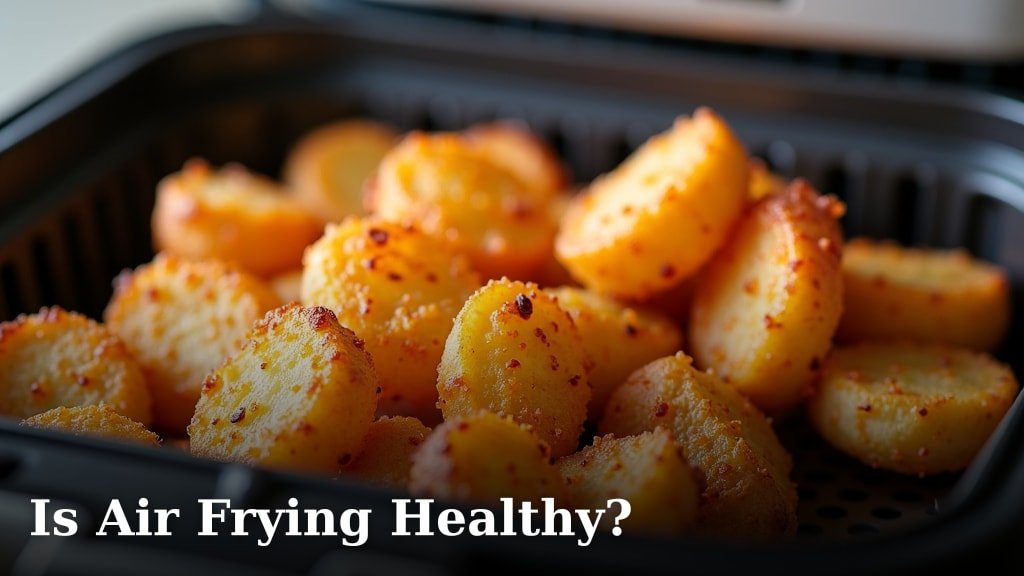
Yes, air frying can be healthy, especially when compared to traditional deep-frying. It uses significantly less oil, which can cut down on calories and unhealthy fats.
You’re essentially getting a crispy texture with hot air instead of large amounts of oil. This makes air frying a smarter cooking choice for many of your favorite foods. It’s a popular way to enjoy dishes with less guilt.
- Air frying uses less oil than deep-frying.
- It can help reduce calorie and fat intake.
- You still get crispy, satisfying results.
- It’s generally a healthier cooking method.
So, let’s look closer at why air frying is a good choice for your kitchen and your health, and what steps you can take to make the most of it.
Unpacking the Health Benefits of Air Frying
Air frying offers several clear advantages for your health. It’s not just about convenience; it’s about making smarter food choices without sacrificing taste.
You can enjoy many of your favorite fried foods with less guilt. This cooking method helps you reduce exposure to certain unhealthy components often found in deep-fried dishes.
Reducing Oil and Fat Intake
The most significant health benefit of air frying is its ability to drastically cut down on oil usage. Think about your favorite deep-fried potato chips or chicken wings. They soak up a lot of oil.
Air fryers use hot air circulation to achieve that desirable crispy texture. This means you need only a fraction of the oil compared to traditional deep-frying methods. Often, just a tablespoon or two is enough.
Less oil translates directly to fewer calories and less saturated fat in your meals. This can be a big step towards managing your weight and improving your cardiovascular health (Cleveland Clinic).
Comparing Oil Use: Air Fryer vs. Deep Fryer
Let’s consider the difference in a simple way. Imagine you’re making French fries.
A deep fryer might require several cups of oil to submerge the fries completely. An air fryer, on the other hand, usually needs just a light spritz or a spoonful of oil to get them golden and crispy.
This difference adds up quickly, especially if you enjoy “fried” foods regularly. You’re effectively getting a similar taste and texture profile with significantly less fat.
Minimizing Harmful Compounds
Deep-frying, while delicious, can sometimes create harmful compounds in food. One of the best-known is acrylamide.
Acrylamide is a substance that forms in starchy foods, like potatoes, when they are cooked at high temperatures (National Cancer Institute). Deep-frying methods are particularly prone to creating high levels of this compound.
Air frying generally cooks at slightly lower temperatures or for shorter periods, potentially reducing acrylamide formation. While it doesn’t eliminate it completely, it can be a healthier alternative.
Understanding Acrylamide
Acrylamide links to certain health concerns in animal studies. That’s why many health organizations advise limiting your intake.
Using an air fryer helps you enjoy foods like crispy fries with a lower potential risk (FDA). It’s about making a more informed choice for your cooking methods.
Retaining Nutrients Better
When you cook foods, some nutrients can be lost, especially through high heat or oil submersion. Think about vitamins and minerals.
Air frying often involves shorter cooking times and less aggressive heat contact with oil. This helps your food retain more of its natural vitamins and minerals.
For example, some water-soluble vitamins can leach into cooking oil or water. Air frying helps to keep these beneficial nutrients in your food.
Making the Healthiest Choices with Your Air Fryer
An air fryer is a tool. Like any tool, how you use it determines the outcome. You can certainly make healthy meals, but you can also make less healthy ones.
It’s important to pair your air fryer with smart food choices. This means focusing on what you put into the air fryer, not just the fryer itself.
Choosing Healthy Ingredients
The air fryer magic works best on naturally healthy foods. Think about fresh vegetables, lean proteins, and whole grains.
You can air fry broccoli, brussels sprouts, and carrots for a delightful crunch. Chicken breast, fish, or tofu can become perfectly crispy and juicy. These are inherently nutritious choices.
If you’re air frying pre-made frozen foods, like highly processed chicken nuggets or mozzarella sticks, the health benefits might be limited. These items often contain added sugars, sodium, and unhealthy fats even before frying.
A Checklist for Healthy Air Frying
- Choose lean meats or fish.
- Fill half your plate with vegetables.
- Select whole-grain options.
- Use a minimal amount of healthy oil (like olive or avocado).
- Opt for homemade batters instead of pre-packaged coatings.
- Flavor with herbs and spices, not just salt.
Mind Your Portions
Just because something is air-fried doesn’t mean you should eat an unlimited amount of it. Portion control still plays a vital role in a healthy diet.
If you air fry a whole bag of potato chips, you’re still consuming many calories. The air fryer doesn’t magically remove calories from excessive portions.
Think consciously about your serving sizes. A good rule of thumb is to mentally compare it to a standard portion you’d get when dining out or following a recipe.
Using Healthy Oils Wisely
While air frying uses minimal oil, the type of oil you choose still matters. Some oils are better for your health than others.
Opt for oils with a high smoke point and beneficial fats. Avocado oil, olive oil, and grapeseed oil are good choices.
Avoid oils that are heavily processed or have a low smoke point, as they can break down and produce unhealthy compounds at high temperatures.

Addressing Common Concerns About Air Frying
You might have heard some worries about air frying. Let’s tackle them directly so you feel confident in your cooking choices.
Most concerns are manageable with a little knowledge. It’s about understanding the process and making informed adjustments.
Are There Any Air Frying Downsides?
You might wonder if there are any hidden drawbacks. For example, some people worry about the plastic components in certain air fryers.
Most air fryers use food-grade materials that are safe for cooking. Look for products that state they are BPA-free if this is a concern for you.
Another point: air frying can dry out some foods if you’re not careful. This is easily solved by using a little oil or cooking foods for shorter periods.
There’s also the debate around advanced glycation end products (AGEs). These compounds can form when foods are cooked at high temperatures. Air frying, like grilling or roasting, can produce AGEs. However, because air frying typically uses less oil and often cooks faster than deep-frying, it may contribute to fewer AGEs overall compared to traditional frying methods (National Institutes of Health).
What About Cooking Uniformity?
Sometimes, foods don’t cook evenly in an air fryer. Has that happened to you?
This is usually due to overcrowding. Air fryers work by circulating hot air. If you pack the basket too full, the air can’t reach all surfaces properly.
The solution is simple: cook in smaller batches. Also, shaking the basket halfway through cooking will help ensure everything gets crispy and evenly cooked.
Conclusion
So, is air frying healthy? Yes, you can confidently say it is, especially compared to deep-frying. By using less oil, you significantly cut down on unhealthy fats and calories. You also reduce the potential for harmful compounds like acrylamide. Remember, your air fryer is a tool. To get the most health benefits, focus on fresh, wholesome ingredients and proper portion control. Choose healthy oils wisely for the best results. Don’t overcrowd the basket, and shake foods for even cooking. With these simple practices, you’re well on your way to enjoying healthier, crispy meals.
Frequently Asked Questions
Does air-fried food taste as good as deep-fried?
Many people find that air-fried food offers a very similar crispy texture and satisfying taste to deep-fried food. While not identical, the difference is often small, especially with proper seasoning and light oil use.
Can I air fry frozen meals and still be healthy?
You can air fry frozen meals, but their healthiness depends on the meal itself. Highly processed frozen foods might still be high in sodium, sugar, and unhealthy fats, regardless of how they are cooked. Focus on less processed options where possible.
How much oil should I use when air frying?
You generally only need a very small amount—often just a teaspoon or a light spray of oil—to achieve crispy results. This is a significant reduction compared to deep-frying, which requires cups of oil.
Will air frying help me lose weight?
Air frying can support weight loss because it reduces fat and calorie intake compared to deep-frying. However, it’s not a magic solution. You still need to make overall healthy food choices and control your portion sizes.
Are some foods better to air fry than others for health?
Yes, lean proteins like chicken and fish, and most vegetables, are excellent healthy choices for air frying. These foods benefit from the crispy texture without needing much added oil, boosting your nutrient intake.