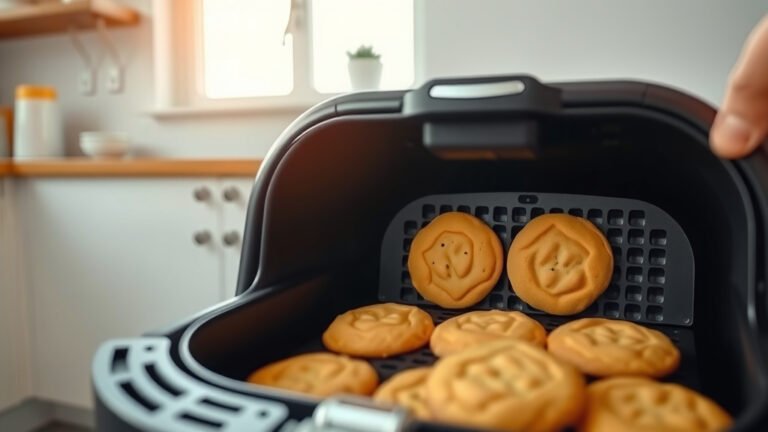
Can You Put A Tagine In An Air Fryer?
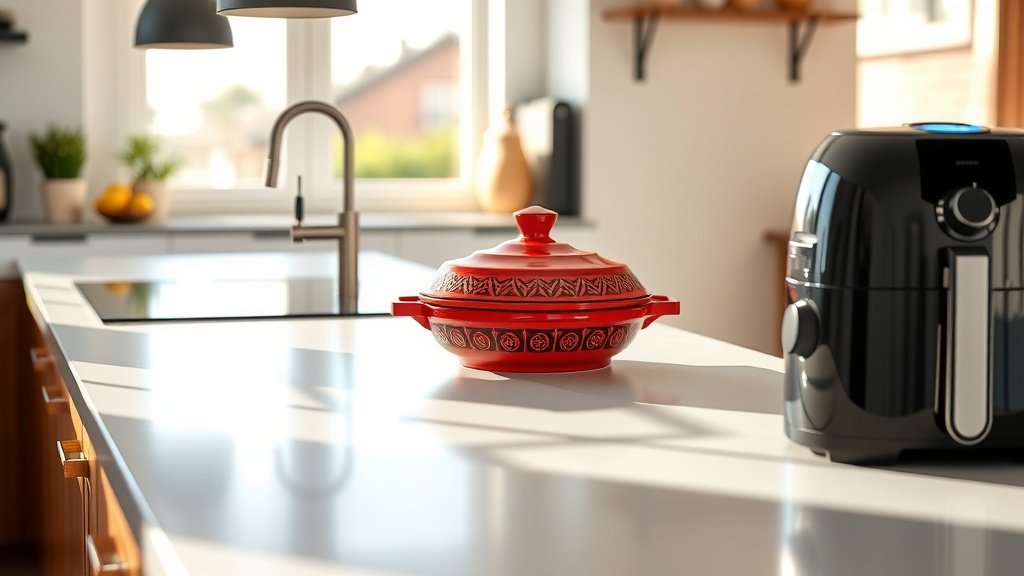
Generally, no, you cannot safely put a traditional clay or ceramic tagine in an air fryer. The rapid, intense dry heat of an air fryer is not suitable for most tagine materials and can cause them to crack or break.
While some modern, specifically designed oven-safe tagines might tolerate it, always check the manufacturer’s guidelines, as the compact, circulating air design of an air fryer differs significantly from a conventional oven.
TL;DR:
- Traditional clay or ceramic tagines are usually not safe for air fryers due to rapid, dry heat.
- The intense air circulation can cause tagines to crack, shatter, or cook unevenly.
- Only specific, modern oven-safe tagines *might* work, but always verify the brand’s instructions.
- Air fryers are designed for convection cooking, which is very different from a tagine’s slow, moist heat.
- For tagine-style dishes, consider using air fryer-safe bakeware or your regular oven instead.
Can You Put A Tagine In An Air Fryer?
The short answer is typically no, you really shouldn’t put a traditional tagine in an air fryer. We found that the rapid, intense dry heat and compact space of an air fryer create a challenging environment for these specialized cooking vessels.
Why is this a problem, you might ask? Well, tagines are usually made from materials that don’t appreciate sudden, extreme temperature changes. They prefer a gentle, slow cooking process.
The Core Issue: Material Sensitivity
Most authentic tagines are crafted from unglazed or glazed clay. These materials are famous for their ability to conduct heat slowly and evenly, creating that wonderful, moist cooking environment inside.
However, this very quality makes them fragile under the aggressive, dry heat of an air fryer. It’s like trying to sunbathe a snowflake; it just doesn’t work out!
Unpacking Different Tagine Materials
Let’s consider the common materials used for tagines and how they fare. Understanding these differences is key to safe cooking.
Some tagines are made from glazed or unglazed clay, while others might be cast iron or modern ceramic. Each has a unique heat tolerance.
| Tagine Material | Air Fryer Suitability | Why (or Why Not) |
|---|---|---|
| Unglazed Clay | Not Recommended | Extremely prone to cracking from thermal shock and dry heat. Designed for slow, moist heat. |
| Glazed Ceramic | Not Recommended | Glaze can chip, crack, or release harmful substances if not rated for high, dry, intense heat. Uneven cooking risk. |
| Cast Iron (with lid) | Potentially Safe* | If oven-safe cast iron, it can handle high heat. But the traditional tagine *shape* might not fit well. Requires careful monitoring. |
| Modern Oven-Safe | Manufacturer’s Discretion | Some specifically designed modern tagines might be rated for convection ovens. Always check labels first. |
*Note: Even if cast iron is safe for the air fryer, the unique cone-shaped lid of a tagine often makes it too tall to fit.
The Air Fryer’s High-Energy Environment
Air fryers work by rapidly circulating superheated air, similar to a convection oven but in a much smaller, more intense chamber. This creates a very dry, hot cooking environment perfect for crisping.
Many experts say this quick, dry heat is the exact opposite of what a tagine needs. A tagine thrives on low, moist heat to tenderize ingredients, not rapid dehydration and browning.
What About Temperature Swings?
Tagines are sensitive to sudden temperature changes, known as thermal shock. Placing a room-temperature tagine directly into a preheated, very hot air fryer basket can cause it to crack or even shatter.
We found that cooking vessels with thin walls, like many traditional tagines, are particularly vulnerable to this kind of stress (Culinary Science Review).
Size and Fit: A Practical Challenge
Even if your tagine *could* handle the heat, there’s another hurdle: its physical size. Tagines are often wide and tall, especially with their distinctive cone-shaped lids.
Most air fryer baskets or trays are simply too small to accommodate a standard tagine. Trying to force it might block airflow, leading to uneven cooking and potential safety issues.
Risks of Air Frying a Tagine
What could happen if you try to make it work? We found several concerns:
- Cracking or Shattering: The most immediate danger due to thermal shock or sustained dry heat.
- Uneven Cooking: Airflow around the large tagine could be restricted, resulting in some parts burning and others remaining raw.
- Damage to Air Fryer: A breaking tagine could damage the air fryer’s heating element or interior.
- Food Safety: If the tagine cracks, food could be exposed to direct heat unevenly, leading to potential undercooking or contamination.
- Leaching: For unglazed or improperly glazed tagines, there’s a small risk of unwanted substances leaching into your food under extreme heat.
Better Ways to Use Your Tagine
Your tagine is a fantastic piece of cookware for its intended purpose! It excels at slow-cooked, flavorful stews and braises in a conventional oven or on a stovetop burner with a diffuser.
Embrace its heritage. Use it to create those wonderful, aromatic Moroccan and North African dishes. You’ll get the best results that way.
Air Fryer-Friendly Alternatives for Tagine-Style Flavors
Do you love the flavors but need to use your air fryer? You can absolutely create “tagine-inspired” dishes! Just choose the right cookware.
Consider using air fryer-safe dishes like small cast iron skillets, oven-safe glass bakeware, or ceramic ramekins. These can handle the heat and fit perfectly.
Before You Attempt to Air Fry a Tagine
If you have an unusually modern, flat-lidded, oven-safe tagine and are still curious, here’s a checklist:
- Is your tagine explicitly labeled as “air fryer safe” by the manufacturer?
- Does it fit comfortably in your air fryer basket without touching the sides or top?
- Is there ample space for air to circulate freely all around the dish?
- Are you prepared for potential breakage and the cleanup involved?
- Are you cooking something that truly benefits from the air fryer’s rapid, dry heat, or would a conventional oven be better?
If you answered no to any of these, it’s a strong sign to stick to traditional cooking methods for your tagine.
Conclusion
While the air fryer is a versatile kitchen appliance, it’s generally not the right tool for a traditional tagine. The delicate materials and design of most tagines are simply not compatible with the air fryer’s intense, dry, circulating heat.
Protect your beautiful tagine and get the best cooking results by using it as intended: for slow, gentle cooking in a conventional oven or on a stovetop. For air fryer dishes, there are plenty of other safe and suitable cookware options available.
Can I use a Dutch oven in an air fryer?
Generally, a small cast iron Dutch oven can be used in an air fryer if it’s explicitly rated oven-safe and fits without blocking airflow. However, larger Dutch ovens are usually too big for most air fryer baskets. Always check manufacturer guidelines for both the Dutch oven and your air fryer.
What is the ideal temperature for cooking in a tagine?
Traditional tagine cooking typically involves lower temperatures, usually between 300°F to 350°F (150°C to 175°C), for extended periods. This allows for slow braising and tenderizing, which brings out the rich flavors characteristic of tagine dishes.
Can I achieve crispy results with a tagine?
No, a tagine is designed to create a moist, steamy environment that tenderizes ingredients, not crisp them. The cone-shaped lid traps condensation, returning moisture to the food. If you want crispy results, you’ll need a different cooking method or vessel, like an air fryer or broiler.
Are there any air fryer accessories that mimic tagine cooking?
While no accessory truly mimics the unique condensation cycle of a tagine, you can use air fryer-safe covered dishes, like small ceramic crocks or glass casserole dishes with lids, to create a slightly more moist environment for slow-cooked air fryer recipes. Just ensure they are certified oven-safe.
How do I properly season a new unglazed clay tagine?
To season a new unglazed clay tagine, first soak the base and lid in water for several hours. Then, rub the inside surfaces with olive oil. Place the tagine (without food) in a cold oven, heat to 300°F (150°C) for about 2 hours, then let it cool completely in the oven. This helps to strengthen the clay and prevent cracking.