
Can You Put A Wok In An Air Fryer?
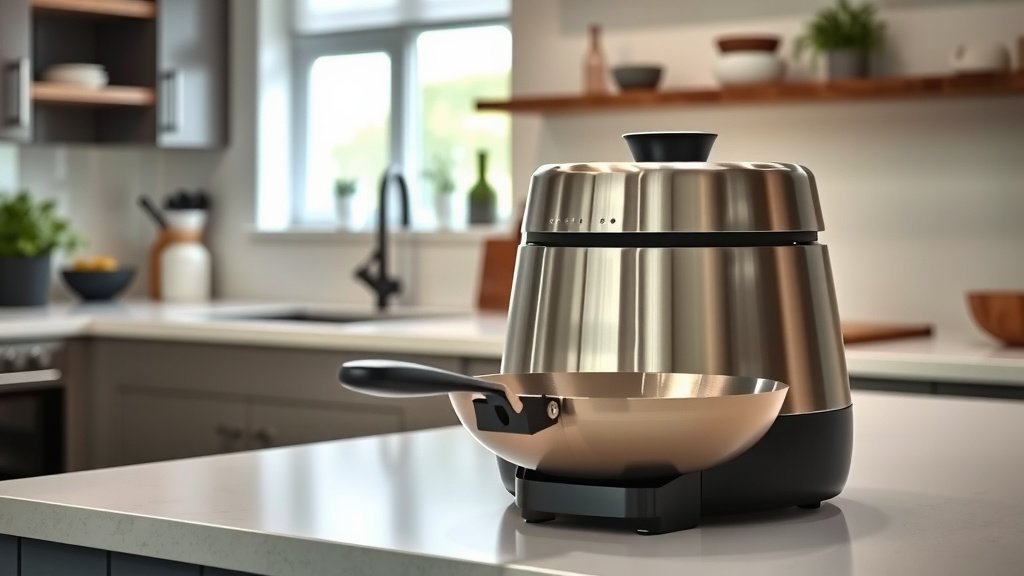
Generally, no, you cannot safely put a traditional wok in an air fryer due to its size and the critical need for proper hot air circulation.
Most woks are too large to fit correctly, blocking airflow and preventing your air fryer from cooking food evenly or safely.
TL;DR: Key Takeaways for Air Frying with a Wok
- Most traditional woks are too large and bulky for air fryers.
- Air fryers rely on excellent air circulation, which a wok can easily obstruct.
- Using a wok can lead to uneven cooking, safety risks, and potential damage to your appliance.
- Smaller, air-fryer-safe alternatives exist if you want a similar cooking motion.
- Always prioritize your air fryer’s specific basket and accessory guidelines.
Can You Put A Wok In An Air Fryer?
When you first get your air fryer, it’s natural to wonder about all the things you can cook or what cookware might work inside. Can you put a wok in an air fryer? The short answer is almost always no for traditional woks. This is not about being overly cautious; it’s about how your air fryer actually works.
Understanding How Your Air Fryer Works
Think of your air fryer as a tiny convection oven. It circulates superheated air around your food at high speeds, creating that crispy texture we all adore. For this magic to happen, that hot air needs to reach every bit of the food. If something blocks the airflow, like a large, bulky wok, the whole process breaks down.
The Primary Problem: Size Matters
Woks are designed to be wide and deep, perfect for stir-frying on a stovetop. Air fryers, on the other hand, are often compact with specific basket dimensions. You might struggle to even physically fit a wok inside. Even if you squeeze one in, it will likely be a very tight fit.
We found that forcing a large wok into a small air fryer can cause problems. It could scratch the non-stick coating of your air fryer basket or even damage the heating element if it touches (Appliance Manufacturers).
Air Circulation is Key for Air Frying
Imagine trying to dry your hair with a towel wrapped around your head. It just wouldn’t work, would it? The same principle applies here. Your air fryer needs space around the food and the cooking vessel for the hot air to move freely. A wok, particularly its sloped sides, tends to hog all the space.
When airflow is restricted, your food won’t get crispy. You’ll end up with a mix of burnt spots and soggy areas. It defeats the entire purpose of using an air fryer, right?
What About Smaller Woks or Mini Woks?
Perhaps you have a tiny, single-serving wok. Could that fit? While a mini wok might physically enter the air fryer basket, the core issue of airflow often remains. Many experts say that even a small wok can still obstruct too much space, leading to less efficient cooking (Cooking Experts).
If you’re considering a mini wok, check your air fryer’s manual. It might specify certain types of cookware allowed. It is rare to see a wok, even a small one, listed as recommended.
Safety Concerns You Should Consider
Beyond inefficient cooking, using an unsuitable pan like a wok can pose safety risks. The material of your wok matters too. Traditional woks are often carbon steel or cast iron. While these are oven-safe, their interaction with the intense, confined heat of an air fryer is different.
- Uneven Heat Distribution: The wok itself can get extremely hot in some spots and remain cooler in others, leading to dangerous hot spots.
- Damage to the Air Fryer: An improperly sized or positioned wok could block vents, strain the air fryer’s motor, or even scorch the interior.
- Fire Risk: Any appliance operating outside its intended parameters carries an increased risk.
Better Alternatives for Wok-Style Cooking in an Air Fryer
So, if a wok is out, what can you use for similar cooking tasks in your air fryer? Don’t worry, you have great options! Many non-stick, oven-safe bowls and dishes are perfectly suited for air fryer use.
Consider these great alternatives:
| Cookware Type | Why It Works in an Air Fryer | Best For |
|---|---|---|
| Small Ceramic/Glass Baking Dishes | Oven-safe, available in various sizes, good heat retention. | Casseroles, baked eggs, small roasts. |
| Silicone Baking Cups/Molds | Flexible, heat-resistant, non-stick, allows airflow. | Muffins, egg bites, individual servings. |
| Metal Cake Pans (Small) | Good conductors of heat, durable, usually oven-safe. | Brownies, small cakes, side dishes. |
| Air Fryer Accessories Kits | Designed specifically for air fryers, maximizes space and airflow. | Skewers, pizza pans, layered racks. |
When to Use Your Wok (and Not Your Air Fryer)
Your wok is still fantastic for its intended purpose! Keep it on the stovetop for those delicious stir-fries, deep-fries, or even steaming. It excels at cooking large quantities quickly over high, direct heat. Air fryers are for crispy, oven-style cooking with less oil. They are different tools for different jobs.
Tips for Maximizing Your Air Fryer’s Potential
You can get amazing results from your air fryer by following a few simple guidelines. These tips ensure optimal performance and safety every time you cook.
Here’s a quick checklist to help you out:
- Choose cookware that fits comfortably with space around it.
- Use parchment paper liners with holes to allow airflow, not solid ones.
- Preheat your air fryer for better results, just like a regular oven.
- Don’t overcrowd the basket; cook in batches if needed.
- Shake or flip food halfway through for even browning.
- Always check your air fryer’s manual for recommended accessories.
Are There Any Exceptions to the Wok Rule?
Very, very rarely, you might find a specially designed “air fryer wok” that is tiny and specifically made to fit certain models. However, these are niche products. Always verify compatibility with your air fryer’s manufacturer first. For the average home cook, trying to use a standard wok is not a practical solution.
We found that most cookware advice for air fryers centers around items that leave ample room for air to move (Kitchen Appliance Guides).
Conclusion
So, can you put a wok in an air fryer? For the vast majority of you and your everyday air fryers, the answer is a firm no. It’s not about capability but about the fundamental design differences between these two fantastic kitchen tools. Your air fryer excels at circulating hot air for crispy, healthy results, and a wok’s size and shape simply get in the way.
Instead of trying to force a wok into a space it doesn’t belong, embrace the purpose-built accessories and oven-safe dishes designed for your air fryer. You’ll achieve better, safer, and much crispier cooking results. Happy air frying!
Frequently Asked Questions About Air Fryer Cookware
Can I use aluminum foil in my air fryer?
Yes, you can use aluminum foil in your air fryer, but do so carefully. Always place it under the food to catch drips and ensure it doesn’t block airflow. Never let foil touch the heating element, as this can be a fire hazard (Appliance Safety Guidelines).
What types of dishes are safe to use in an air fryer?
Most oven-safe dishes made from glass, ceramic, metal, or silicone are safe for air fryers. Think small baking dishes, ramekins, silicone molds, and metal cake pans. Always ensure they fit with plenty of space for air circulation.
How do I know if a dish is air fryer safe?
Look for labels that say “oven-safe” or “air fryer safe.” If it’s safe for a conventional oven, it’s usually safe for an air fryer, as long as it fits properly and doesn’t impede airflow. When in doubt, start with lower temperatures and monitor closely.
Can I put water in an air fryer to create steam?
No, you should not put water directly into an air fryer’s basket or drawer with the intention of creating steam. Air fryers are not designed for steaming, and adding water can damage the appliance or create electrical hazards (Manufacturer Warnings).
What should I avoid putting in my air fryer?
Avoid highly flammable materials like paper towels or plastic wrap. Don’t put very wet batters directly into the basket without a container. And, of course, generally avoid oversized cookware like traditional woks that obstruct airflow and proper cooking.
