
Can You Put Plastic In An Air Fryer?
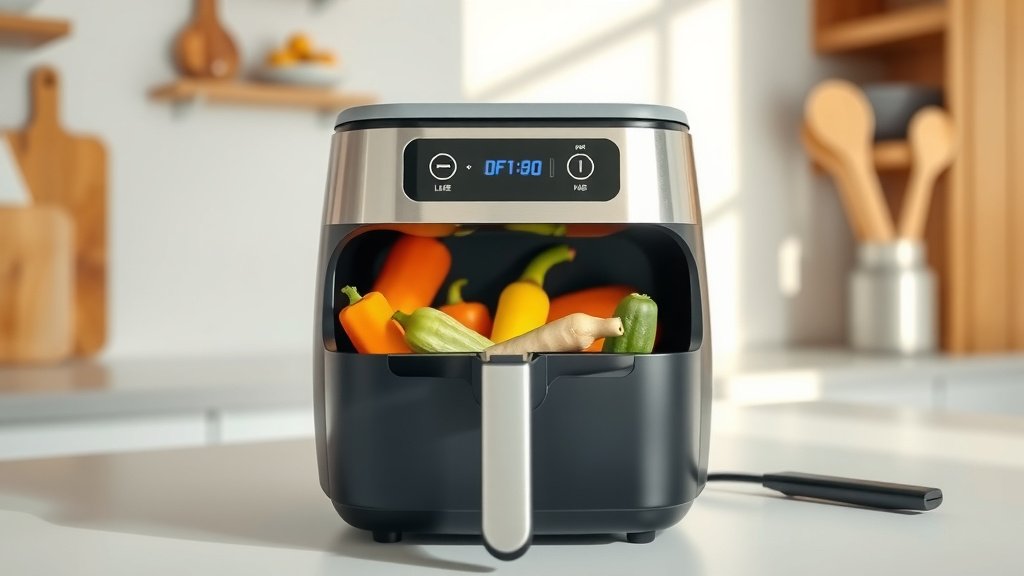
No, you absolutely cannot put plastic in an air fryer. The high temperatures inside an air fryer can melt plastic, releasing harmful chemicals into your food and damaging the appliance.
Always use materials specifically labeled as oven-safe or air fryer-safe, such as glass, ceramic, silicone, or metal, to avoid serious health risks and equipment damage.
TL;DR: Air Fryer Plastic Safety
- Plastic melts at air fryer temperatures.
- Melting plastic releases toxic chemicals into your food.
- Never use plastic containers, wraps, or bags in an air fryer.
- Opt for heat-safe materials like silicone, glass, or metal.
- Always check product labels for “oven-safe” or “air fryer-safe” notations.
Can You Put Plastic In An Air Fryer?
Absolutely not. Putting plastic in your air fryer is a definite no-go. The intense heat circulating in an air fryer is designed to cook food quickly, but it’s far too hot for most plastics.
Why Plastic and Air Fryers Don’t Mix
Air fryers reach very high temperatures, often between 300°F and 400°F (150°C and 200°C). Most plastics have a much lower melting point. We found that plastics can start to soften, warp, or even melt at temperatures well below an air fryer’s operating range (National Institute of Standards and Technology).
Imagine a plastic container shrinking or deforming. That’s a clear sign of it not handling the heat. This isn’t just about a messy cleanup; it’s about your health.
The Dangers of Melting Plastic
When plastic melts, it doesn’t just disappear. It can leach harmful chemicals into your food. Many experts say these chemicals, like BPA or phthalates, can pose health risks (Environmental Protection Agency).
You wouldn’t want those chemicals in your delicious crispy fries, would you? We certainly wouldn’t! Your air fryer is a fantastic cooking tool; let’s keep it safe.
What Happens if You Accidentally Put Plastic In?
Accidents happen, and it’s easy to make a mistake. If you accidentally put plastic in an air fryer, you might notice a strange smell or smoke. The plastic could warp, melt, or even stick to your food or the air fryer basket.
If this happens, immediately turn off and unplug your air fryer. Let it cool completely before attempting to remove the plastic. Do not try to scrape hot, melted plastic, as this can cause burns.
Cleanup After a Plastic Mishap
Once cooled, you might be able to gently peel off the melted plastic. For stubborn bits, some people have success with warm, soapy water and a non-abrasive scrubber. We recommend ensuring all traces are removed to avoid future contamination.
If the plastic is deeply fused or the smell lingers, it might be safer to replace the affected parts or even the entire air fryer. Your health and safety are paramount.
Understanding Air Fryer Safe Materials
So, what *can* you use in your air fryer? The key is to look for materials that are specifically designed to withstand high heat. Think of your regular oven-safe dishes.
Many guidelines point to items labeled as “oven-safe” up to at least 400°F. If it’s safe for your oven, it’s generally safe for your air fryer too.
Common Safe Options
You have several excellent choices for air fryer-friendly accessories. These include silicone, glass, ceramic, and various metals. Each has its own benefits for different cooking needs.
For example, a silicone basket can make cleanup easier, while a small metal pan is great for baking. Variety helps you get the most out from your air fryer.
- Silicone: Often labeled “food-grade silicone” and can handle temperatures up to 450°F (230°C). Look for specific “oven-safe” ratings.
- Glass: Pyrex or other heat-resistant glass bakeware is perfect.
- Ceramic: Many ramekins and small baking dishes are ceramic and oven-safe.
- Metal: Aluminum foil, stainless steel pans, or cast iron are generally safe, but avoid overcrowding the basket.
- Parchment Paper: Air fryer-specific parchment liners are okay, but ensure they don’t block air circulation.
Comparing Safe vs. Unsafe Air Fryer Materials
To help you keep track, here’s a quick comparison. Always err on the side of caution when you’re unsure. A moment of doubt is worth a quick check.
| Safe Materials | Unsafe Materials |
|---|---|
| Silicone (oven-safe) | All types of plastic (e.g., Tupperware, cling wrap) |
| Glass (oven-safe) | Styrofoam or foam containers |
| Ceramic (oven-safe) | Wax paper |
| Metal (stainless steel, aluminum, cast iron) | Any paper not specified as air fryer-safe parchment |
| Air Fryer-specific parchment paper | Regular paper plates or bowls |
Spotting “Air Fryer Safe” Labels
When buying accessories, look for clear markings. Phrases like “oven-safe,” “air fryer safe,” or a temperature rating (e.g., “safe up to 450°F”) are your best friends. If there’s no label, it’s best to assume it’s not safe.
A good rule of thumb: if it looks like plastic, don’t risk it. Your air fryer’s interior is a hot zone, and only heat-resistant materials belong there.
Tips for Smart Air Frying
Beyond avoiding plastic, there are other ways to ensure a great and safe air frying experience. These small habits make a big difference in your kitchen.
- Don’t Overfill: Air needs to circulate for even cooking and to prevent overheating.
- Preheat Properly: Just like a regular oven, preheating helps achieve consistent results.
- Shake or Flip: For even crisping, remember to shake the basket or flip items halfway through.
- Clean Regularly: A clean air fryer performs better and lasts longer.
- Use a Meat Thermometer: Always check internal temperatures for meats to ensure they are fully cooked.
The Joy of Safe Air Frying
Air frying can really simplify meal prep. It offers a healthier way to enjoy your favorite crispy foods without excessive oil. Knowing what’s safe helps you enjoy it without worry.
You can create everything from crunchy chicken wings to perfectly roasted veggies. Just remember, a little caution with materials goes a long way towards delicious and safe meals.
Conclusion
To wrap things up, the answer to “Can you put plastic in an air fryer?” is a resounding no. The high temperatures are a clear threat to plastic, risking both your health and your appliance. Always prioritize safety by choosing materials designed for high heat, like silicone, glass, ceramic, or metal. We found that being mindful of what goes into your air fryer ensures delicious, safe meals every time. So, enjoy your air fryer, but always keep it plastic-free!
FAQs About Air Fryer Safety
Can I put aluminum foil in an air fryer?
Yes, you can generally use aluminum foil in an air fryer, but with some precautions. Make sure it’s placed securely and doesn’t block air circulation, especially from the top heating element. Also, avoid wrapping acidic foods directly in foil, as some research suggests potential leaching.
Is parchment paper safe for air frying?
Air fryer-specific parchment paper or liners are safe to use. These often have holes to allow air circulation. However, never place parchment paper in an empty air fryer during preheating; it can fly up and hit the heating element, posing a fire risk. Always place it under food.
What materials should I avoid besides plastic?
Beyond plastic, avoid wax paper, paper towels, and regular paper plates. These materials are not designed for high heat and can easily catch fire or melt, potentially damaging your air fryer and creating a safety hazard.
Can I use my regular glass baking dishes in an air fryer?
Yes, if your glass baking dish is explicitly labeled as “oven-safe,” it is generally safe for use in an air fryer. Ensure the dish fits comfortably in the air fryer basket without touching the heating element or blocking airflow.
How do I know if an accessory is air fryer safe?
Look for clear labels like “oven-safe,” “air fryer safe,” or a specific temperature rating (e.g., “safe up to 400°F”). If an item has no such marking, it’s always best to assume it’s not suitable for the high heat of an air fryer to maintain safety.
