
Can You Use An Air Fryer As A Dehydrator?
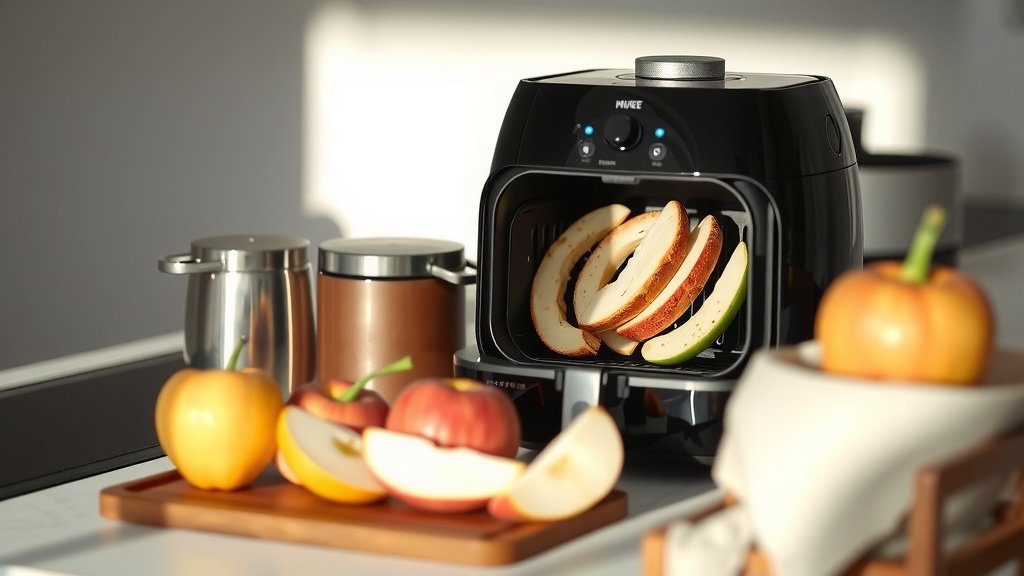
Yes, you can absolutely use an air fryer as a dehydrator, especially for smaller batches of fruits, vegetables, and even jerky. Its controlled low-heat settings and circulating fan can effectively remove moisture, mimicking a traditional food dehydrator.
While an air fryer might not offer the same precision or capacity as a dedicated dehydrator, it’s a versatile kitchen appliance that can handle many dehydration tasks with great results.
TL;DR:
- Your air fryer can dehydrate foods by using low temperatures and its built-in fan.
- It’s a great option for small batches of thinly sliced fruits, veggies, and meats.
- Success relies on proper food preparation and careful temperature control.
- Expect longer drying times compared to regular air frying.
- This method saves counter space if you don’t own a separate dehydrator.
Can You Use An Air Fryer As A Dehydrator?
Yes, you can use your air fryer to dehydrate foods, turning it into a very functional kitchen tool. It’s a smart way to get more out of your appliance and preserve snacks.
How Dehydration Works in an Air Fryer
Dehydration is all about removing moisture from food, which stops bacteria and mold from growing. An air fryer achieves this by using low heat and constant air circulation.
The fan inside your air fryer moves warm air around the food. This movement helps draw out the water slowly. It’s similar to how clothes dry on a windy, warm day.
Key Differences: Air Fryer vs. Dedicated Dehydrator
While both can dry food, they have distinct features. An air fryer is a multi-tasker, while a dehydrator specializes in one thing. We found that dedicated dehydrators usually offer a wider temperature range and more precise controls.
Dedicated machines also have multiple stacking trays, allowing for larger batches. Your air fryer will likely have less capacity. Here’s a quick look:
| Feature | Air Fryer (for Dehydration) | Dedicated Dehydrator |
|---|---|---|
| Temperature Control | Often limited low settings (e.g., 120°F-170°F) | Precise control, typically 95°F-165°F |
| Capacity | Small batches, single layer (often limited by basket size) | Multiple trays, larger batches possible |
| Airflow | Powerful fan for crispy results, good for drying | Designed for even, consistent low airflow |
| Time Efficiency | Can be slower due to limited space and lower temps | Optimized for efficient, consistent drying over time |
| Specialized Trays | Requires parchment paper or racks to prevent sticking | Comes with mesh trays for optimal airflow and non-stick |
What Foods Can You Dehydrate in an Air Fryer?
You might be surprised by the variety of foods that work well! The key is to pick items that can be sliced thinly and evenly. Think about those healthy snacks you love.
Ideal Candidates for Air Fryer Dehydration
Many experts say that fruits and vegetables are excellent choices for air fryer dehydration. Apples, bananas, berries, and sweet potatoes dry beautifully.
You can also try making jerky from lean meats like beef or turkey. Just remember to follow proper food safety guidelines (USDA).
- Thinly sliced apples, bananas, and strawberries
- Potato slices or sweet potato chips
- Bell peppers and zucchini
- Herbs like basil or oregano
- Lean beef or turkey for jerky
Step-by-Step Guide to Dehydrating with Your Air Fryer
Ready to give it a try? It’s simpler than you think. Just a few steps stand between you and homemade dried snacks.
Preparing Your Food
First, preparation is crucial. You’ll want to wash your produce thoroughly. Then, slice everything as evenly and thinly as possible. Uniform slices ensure even drying.
For fruits, a light dip in lemon juice can help prevent browning. This little step keeps them looking fresh and appealing.
Setting Up Your Air Fryer
Line your air fryer basket with parchment paper if needed, or use a rack that fits. This stops smaller pieces from falling through. Arrange your food in a single layer, giving each piece some breathing room.
Do not overcrowd the basket. Overlapping pieces will trap moisture and won’t dry correctly. We found that good airflow makes all the difference.
The Dehydration Process
Set your air fryer to its lowest temperature setting. This is usually around 120°F to 150°F (50°C to 65°C). The exact temperature will depend on your specific air fryer model.
Drying times vary widely, from a few hours for herbs to 6-10 hours for fruits or jerky. Check your food every hour or so, rotating the pieces for even drying. You want the food to be pliable but not sticky.
Essential Tips for Air Fryer Dehydration Success
Think of yourself as a drying detective. You’re observing, adjusting, and learning with each batch. It’s a rewarding process!
Monitoring is Key
Never just “set it and forget it.” You must keep an eye on your food. Because air fryers are designed to cook fast, you want to ensure you’re drying, not baking. Regular checks prevent burning.
Airflow Matters
Good circulation is vital for effective dehydration. If your air fryer allows, consider propping the basket open slightly (if safe) or pausing to shake the basket. This helps move the humid air out.
When to Reach for a Dedicated Dehydrator
While your air fryer is great for quick jobs, there are times a dedicated dehydrator shines. If you’re planning large batches or need super precise temperature control, that’s when to switch.
For example, if you grow your own garden produce and want to preserve a season’s worth, a full-size dehydrator is your best friend. It offers consistent, hands-off drying for bigger projects.
Pros and Cons: Air Fryer Dehydration
Let’s weigh the good against the not-so-good. Every tool has its strengths and weaknesses, right?
Advantages You Might Enjoy
Using your air fryer for dehydration means you don’t need another gadget cluttering your counter. It’s a fantastic way to reduce food waste by preserving excess produce.
Plus, it’s often more energy-efficient than using a full-sized oven for similar tasks. You get homemade healthy snacks without a big investment.
Potential Drawbacks to Consider
The main limitation is capacity. You can only dehydrate small amounts at a time. This can make large-scale projects impractical. Also, temperature control might not be as fine-tuned as a dedicated machine.
Some air fryers also don’t go low enough in temperature, risking cooking the food instead of drying it. Always check your model’s lowest setting before starting.
Conclusion
So, can you use an air fryer as a dehydrator? Absolutely! It’s a handy, space-saving trick for making delicious, healthy dried snacks at home. While it has some limitations compared to a dedicated dehydrator, for small batches and occasional use, your air fryer is more than capable.
Just remember to slice thinly, arrange food carefully, and monitor the process. With a little patience, you’ll be enjoying your own homemade dried fruits and jerky in no time. Give it a try – you might just discover your new favorite kitchen hack!
FAQs
How long does it take to dehydrate food in an air fryer?
Drying times in an air fryer vary widely based on the food type, thickness, and your air fryer’s specific settings. Thinly sliced fruits like apples can take 4-8 hours, while thicker items or jerky might need 6-12 hours. Always check for pliability and dryness rather than just relying on a clock.
What temperature should I use for dehydrating in an air fryer?
For effective dehydration without cooking the food, set your air fryer to its lowest possible temperature, typically between 120°F (50°C) and 150°F (65°C). Most air fryers have a “warm” or very low bake setting that works best for this purpose.
Do I need special accessories to dehydrate in an air fryer?
While not strictly necessary, an air fryer rack or a piece of parchment paper cut to fit the basket can be very helpful. These accessories can prevent smaller food items from falling through the grate and ensure better airflow around the food for more even drying.
Can an air fryer make jerky?
Yes, an air fryer is a great tool for making small batches of jerky from lean cuts of beef, turkey, or other meats. Ensure the meat is sliced very thinly, marinated, and dried at a low temperature for an extended period until it’s pliable and completely dry (USDA guidelines recommend 160°F for beef and 165°F for poultry to kill bacteria before drying).
How do I know when the food is fully dehydrated?
Food is fully dehydrated when it’s pliable, leathery, and no longer sticky or moist to the touch. For fruits, they should bend without breaking. For vegetables, they should be crisp or brittle. Meats for jerky should be tough and leathery, with no soft spots inside. Proper dehydration is key for safe storage.
