
Can You Use An Air Fryer For Drying Herbs?
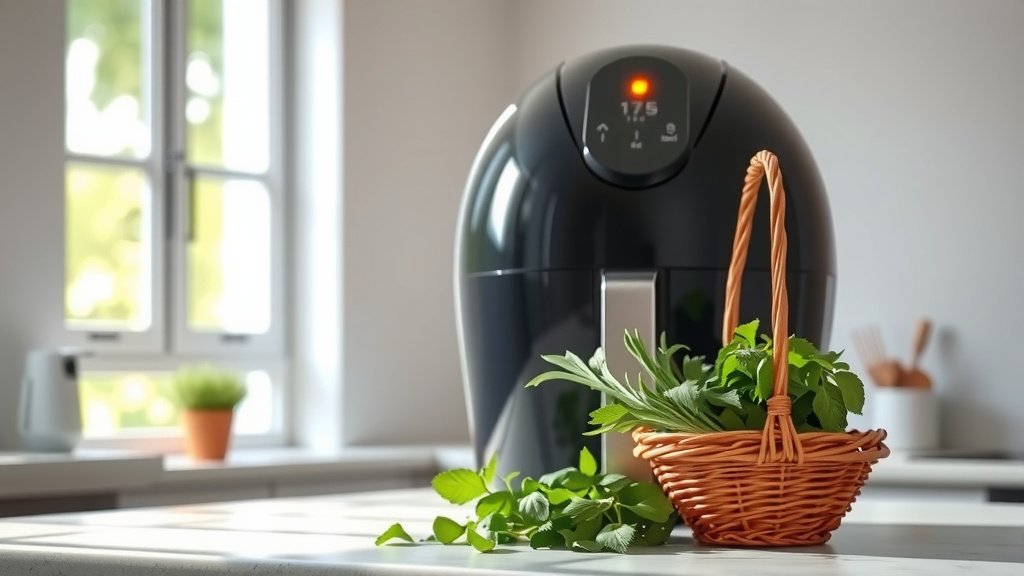
Yes, you can absolutely use an air fryer for drying herbs, making it a quick and efficient method for preserving your garden bounty.
It works by circulating low, consistent heat, gently removing moisture from leaves to create perfectly dried herbs.
- An air fryer offers a fast, controlled way to dry herbs compared to traditional methods.
- You need to use very low temperatures, typically 100-130°F (38-54°C), to prevent cooking them.
- Proper airflow is key; a single layer of herbs on the tray works best for even drying.
- Drying times vary but are often much shorter than air drying, usually within 1-3 hours.
- This method helps retain the vibrant color and aromatic oils of your fresh herbs.
Can You Use An Air Fryer For Drying Herbs?
Absolutely! An air fryer is a surprisingly effective tool for drying herbs quickly, much faster than traditional methods.
It uses controlled air circulation and low heat to preserve their flavor and aroma effectively.
Why Dry Herbs at Home?
Drying herbs at home saves money and lets you preserve your garden’s abundance. Think about all those fresh herbs you grow.
Having a supply of your own dried herbs means you always have fresh flavors ready for cooking, even in winter.
It also gives you full control over the quality, ensuring no additives or artificial processes are used.
The Air Fryer Advantage for Drying Herbs
Traditional air drying can take days, sometimes weeks, right? And what if you live in a humid climate?
An air fryer speeds up this process dramatically, often reducing drying time to just a few hours. This is a huge time-saver.
The controlled environment means less dust and fewer pests can get to your herbs, a common issue with outdoor drying (USDA).
Speed and Efficiency
Imagine picking herbs in the morning and having them dried and ready for storage by afternoon. That’s the air fryer’s power.
Its consistent airflow and low heat settings are ideal for gently removing moisture without cooking the herbs.
Better Flavor and Color Retention
When herbs dry too slowly, they can sometimes lose their vibrant color and some essential oils.
The quicker, more controlled drying in an air fryer helps to lock in these delicate flavors and bright green hues.
Preparing Your Herbs for Drying
Before any drying begins, good preparation is key. This step helps ensure your dried herbs are top-notch.
Think of it like getting your ingredients ready for a special meal – the cleaner, the better.
- Rinse Gently: Wash your fresh herbs under cool, running water to remove dirt or insects. Be gentle.
- Pat Dry: Use a clean kitchen towel or paper towels to pat them as dry as possible. Excess water means longer drying.
- Remove Stems: Separate the leaves from any thick or woody stems. Smaller pieces dry more evenly.
- Check for Blemishes: Discard any yellowed, bruised, or damaged leaves. You want only the best parts.
Setting Up Your Air Fryer for Herb Drying
Not all air fryers are created equal when it comes to temperature control, so know your appliance.
The goal is a very low temperature, usually the lowest setting your air fryer offers.
Temperature is Key (Low and Slow)
Many experts say that temperatures between 100°F and 130°F (38-54°C) are ideal for drying herbs (National Center for Home Food Preservation).
Going higher will cook your herbs, turning them brown and losing their flavor and medicinal properties.
If your air fryer doesn’t go that low, you might still make it work. Just keep an eye on them.
Arrangement on the Tray
Lay your prepared herbs in a single layer on the air fryer basket or tray. Do not overcrowd them.
Good air circulation around each leaf is essential for even and efficient drying.
The Drying Process: Step-by-Step
You’ve prepped your herbs and set your temperature. Now, let’s get them drying.
This part requires a little patience and a keen eye.
Initial Drying Time
Start with a shorter time, like 15-20 minutes. It’s better to add more time than to burn your herbs.
Check on them often after this first interval. You are looking for a specific texture.
Checking for Doneness
Herbs are fully dry when they are brittle and crumble easily between your fingers.
They should not feel leathery or soft at all. If they do, they need more drying time.
Cooling Down
Once dry, remove the herbs from the air fryer and let them cool completely on a wire rack.
This allows any residual heat to dissipate and prevents condensation in storage.
Troubleshooting Common Drying Issues
Even with the best intentions, things can sometimes go a little sideways. Don’t worry, we’ve got you.
Learning from small mistakes is part of the fun of home food preservation.
Herbs Are Turning Brown or Black
This is a sign your temperature was too high, or you dried them for too long. They are likely cooked.
Next time, lower the temperature, if possible, or shorten your drying intervals significantly.
Herbs Feel Leathery, Not Brittle
This means there’s still moisture present. They need more drying time.
Return them to the air fryer for short bursts, checking frequently until they crumble easily.
Storing Your Dried Herbs
Once your herbs are perfectly dry, proper storage is crucial to maintain their potency and flavor.
You want to protect them from light, air, and moisture.
Crushing or Leaving Whole?
Many people prefer to store herbs whole and crush them just before use. This helps preserve their oils.
However, you can also gently crush them now if that’s your preference. Just be aware of the trade-off.
Containers and Location
Store your dried herbs in airtight containers, like glass jars, in a cool, dark place.
Light and heat are the enemies of dried herbs, causing them to lose flavor quickly.
Air Fryer Drying vs. Other Methods
How does air fryer drying stack up against other popular herb preservation techniques? Let’s take a look.
| Method | Pros | Cons | Drying Time |
|---|---|---|---|
| Air Fryer | Fast, controlled, consistent. Excellent color retention. | Limited capacity, needs monitoring. | 1-3 hours |
| Oven (low) | Faster than air drying, larger capacity. | Less precise temperature control, can overheat easily. | 2-4 hours |
| Air Drying | No special equipment, natural. | Very slow, prone to dust/pests, inconsistent results in humidity. | 1-3 weeks |
| Dehydrator | Consistent, precise temperature, good capacity. | Dedicated appliance, can be slow. | 4-12 hours |
Checklist for Perfectly Dried Herbs in Your Air Fryer
To make sure you get the best results every time, here’s a quick recap checklist:
- Clean Herbs: Gently washed and patted very dry.
- Single Layer: Herbs spread out, not overlapping, in the basket.
- Low Temp: Set air fryer to its lowest temperature (100-130°F).
- Short Bursts: Start with 15-20 min, then check frequently.
- Brittle Test: Crumble easily? If so, they’re done.
- Cool Completely: Let them fully cool before storing.
- Airtight Storage: Use sealed jars in a cool, dark place.
Conclusion
So, can you use an air fryer for drying herbs? The answer is a resounding yes! It’s a surprisingly effective and convenient method for home cooks.
By following these simple guidelines – focusing on low temperatures, good airflow, and careful monitoring – you can quickly transform your fresh herbs into long-lasting pantry staples.
Enjoy the satisfaction of preserving your own flavors, ready to enhance your meals any time of the year. Happy air frying!
Frequently Asked Questions About Drying Herbs
How long do dried herbs last when stored correctly?
When stored in airtight containers in a cool, dark place, most dried herbs maintain their potency for about 6 months to 1 year. Their flavor gradually diminishes over time, so it’s best to use them within that timeframe.
Can I dry any type of herb in an air fryer?
Most leafy herbs like basil, oregano, thyme, rosemary, mint, and sage dry well in an air fryer. Herbs with higher moisture content, like cilantro or parsley, can also work but may require slightly longer drying times and more frequent checks.
What is the main difference between drying and dehydrating herbs?
Drying and dehydrating both remove moisture from food. Generally, “drying” can refer to any method, including air drying or oven drying, which may be less controlled. “Dehydrating” usually implies using a dedicated dehydrator, offering precise temperature and airflow for optimal preservation.
Will my kitchen smell strongly of herbs during the drying process?
Yes, as the herbs dry and release their aromatic oils, your kitchen will likely have a pleasant, strong herbal scent. This is a natural part of the process and a good sign your herbs are drying effectively.
Is it better to use fresh herbs or dried herbs in cooking?
Both fresh and dried herbs have their place in cooking. Fresh herbs often add a brighter, more vibrant flavor and aroma, especially when added at the end of cooking. Dried herbs have a more concentrated flavor and are excellent for slow-cooked dishes or rubs, where they can rehydrate and release their flavors over time. The choice often depends on the recipe and desired outcome.
