
Does Air Fryer Brand Affect Food Quality?
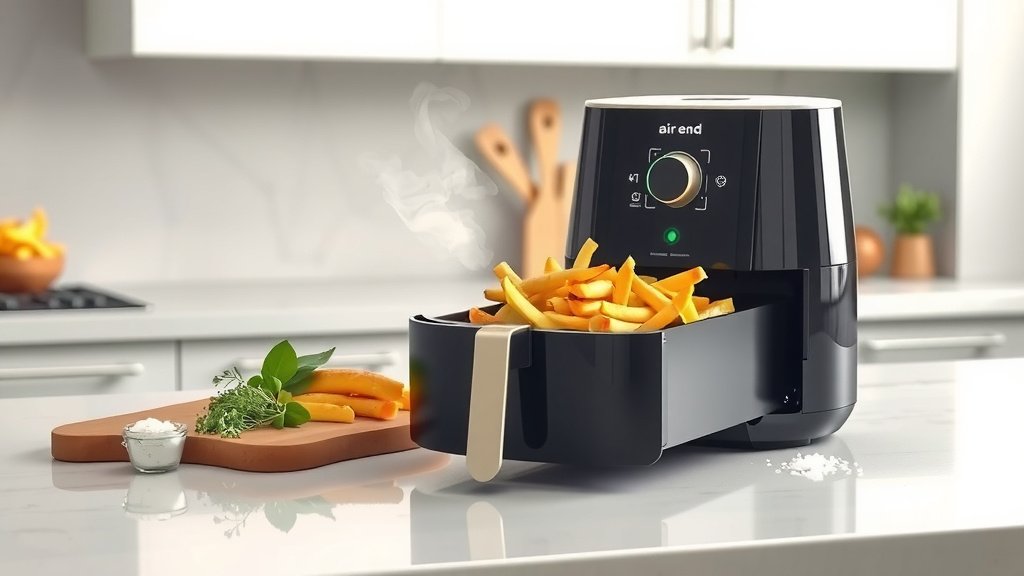
No, the air fryer brand often has less impact on food quality than its specific features, design, and how you use it. While premium brands might offer better build quality or advanced functions, the core cooking results largely depend on proper air circulation and consistent temperature.
Many experts agree that the fundamental principles of air frying – circulating hot air – are consistent across most models. Therefore, focus on power, size, and temperature control rather than just the brand name for delicious results.
TL;DR:
- Brand name alone doesn’t guarantee better food; features matter more.
- Look for sufficient power, precise temperature control, and good airflow.
- User technique, like preheating and not overcrowding, is crucial for quality.
- More expensive brands often provide durability and extra features, not necessarily superior cooking performance for basic tasks.
- You can achieve excellent results with many mid-range or budget-friendly options.
Does Air Fryer Brand Affect Food Quality?
The short answer is not as much as you might think. While some brands are known for their innovation or high-end features, the essence of air frying remains the same for almost all models.
Understanding the Core Function
An air fryer is essentially a compact convection oven. It cooks food by circulating very hot air around it. This creates a crispy, golden-brown exterior, mimicking deep-frying with far less oil.
It’s All About Hot Air
Imagine a tiny tornado of heat inside your kitchen gadget. That’s what an air fryer does. It browns your food by using this intense, directed heat. This core technology works similarly across different manufacturers.
Key Factors Beyond Brand
When you’re trying to get that perfect crisp or even cook, several factors play a bigger role than the logo on the front. These are the true game-changers for your meals.
Power and Wattage: The Engine
A higher wattage means more power. More power generally translates to faster preheating and a quicker recovery of heat once you add food. We found that air fryers around 1500 to 1700 watts offer a great balance for most home cooks.
Basket Size and Capacity
This is a practical consideration. A small basket will limit how much you can cook at once. If you have a family of four, a 5-quart or larger model might suit you best. Overcrowding a small basket is a common error that hurts food quality.
Temperature Range and Precision
Can your air fryer hit the right temperature? And can it hold it steady? Some models offer a wider temperature range, allowing for more versatile cooking. Precise controls help you achieve consistent results, whether you’re dehydrating fruit or crisping fries.
Airflow Design: The Secret Sauce
How the hot air circulates inside the cooking chamber is vital. A well-designed interior ensures even heat distribution, reaching all sides of your food. This prevents soggy spots or uneven browning. Many experts say this design is what separates the merely good from the truly great.
Build Materials and Durability
The quality of the components can affect the appliance’s lifespan. Stainless steel interiors tend to be more robust than non-stick coatings, which can scratch over time. We found that better materials often lead to a more reliable machine over the years.
Brand-Specific Differences: What You Pay For
So, where do brands differ? They often invest in features that add convenience or improve the user experience, rather than fundamentally changing the cooking process itself. Think about it like a car; a basic model gets you from A to B, but a luxury model adds comfort and tech.
- Pre-set Functions: Many brands offer one-touch programs for popular foods like fries, chicken, or fish.
- Digital vs. Analog Controls: Digital displays often allow for more precise temperature and time settings.
- Noise Level: Some manufacturers design their units to operate more quietly.
- Ease of Cleaning: Removable, dishwasher-safe baskets are a huge plus for busy households.
- Aesthetics: Design and color options might be important to you for your kitchen decor.
Are Expensive Brands Always Better?
This is a common question. Not always, but they often come with benefits. Research often connects higher price points with enhanced durability and advanced features (Consumer Reports).
When Price Tag Matters
If you’re looking for a very large capacity, a sleek design, or smart features like app connectivity, you’ll likely lean towards premium brands. These can offer a more integrated cooking experience and greater convenience.
When Basic is Best
For simple frying tasks – making chicken tenders or reheating leftovers – a budget-friendly air fryer can perform just as well. Many experts agree that core functionality is strong even in lower-priced models. You don’t always need all the bells and whistles.
Choosing the Right Air Fryer for You
Instead of chasing a brand name, focus on what you need. Consider your cooking habits, kitchen space, and budget. What will you use it for most often?
| Feature | Budget-Friendly Option | Premium Option |
|---|---|---|
| Wattage | 1200-1500W | 1500-1800W+ |
| Capacity | 2-4 Quarts | 5-10 Quarts (or more) |
| Controls | Analog dials, basic digital | Precise digital, touch screen, smart features |
| Materials | Plastic exterior, basic non-stick | Stainless steel, higher-grade non-stick |
| Extra Functions | Basic fry, roast | Dehydrate, bake, rotisserie, pre-sets |
Here’s a quick checklist to guide your decision:
- What capacity do I need for my household?
- Do I prefer digital precision or simple analog dials?
- How much counter space do I have available?
- What’s my budget for this appliance?
- Are there specific features I absolutely can’t live without?
Maintenance and Usage: Your Role in Quality
Even the most expensive air fryer needs a little help from you. Your cooking technique matters hugely for the final food quality. Think of yourself as the conductor of a delicious orchestra.
Preheating is Key
Just like an oven, your air fryer needs to reach its target temperature before you add food. This ensures a consistent cook from the moment food hits the basket. Skipping this step often leads to unevenly cooked or less crispy results.
Don’t Overcrowd the Basket
This is perhaps the biggest mistake people make. Air needs to circulate freely around each piece of food. Overfilling the basket traps moisture and prevents proper browning. Work in batches for the best outcome.
Conclusion
Ultimately, the brand of your air fryer plays a supporting role, not the lead. The starring performers are the appliance’s core features, its design, and your careful use of it. Focus on getting a unit with adequate power, precise temperature control, and good airflow for consistent results. Many studies show that proper usage techniques are far more critical than brand loyalty for creating perfectly crispy and delicious food every time (Good Housekeeping Institute). So, choose wisely based on features and your needs, not just a label.
FAQ: What’s the ideal wattage for a home air fryer?
Most home cooks find an air fryer with 1500 to 1700 watts to be ideal. This range offers efficient heating and consistent performance for a wide variety of foods without drawing too much power.
FAQ: Can I cook different types of food at the same time in an air fryer?
It depends on the air fryer’s design. Some larger models have dual baskets or dividers, allowing you to cook different items simultaneously. However, even with these, consider if the foods require similar temperatures and cooking times to avoid over or undercooking.
FAQ: How often should I clean my air fryer?
You should clean the air fryer basket and drawer after every use to prevent food buildup and odors. A deeper clean of the heating element and interior can be done periodically, perhaps once a month, or as needed, depending on how frequently you use it.
FAQ: Do I need to preheat my air fryer for all recipes?
While not strictly necessary for every single item, preheating is highly recommended for most recipes. It helps food cook more evenly, achieve a crispier texture, and stick less to the basket. Skipping preheating can lead to longer cooking times and less consistent results.
FAQ: Is a larger air fryer always better?
Not necessarily. While a larger air fryer offers more capacity for bigger meals or family portions, it also takes up more counter space. Consider your household size and typical cooking needs. A compact model is perfect for singles or couples, while larger families benefit from a 5-quart or more generously sized unit.
