
Does Air Fryer Need Ventilation Around It?
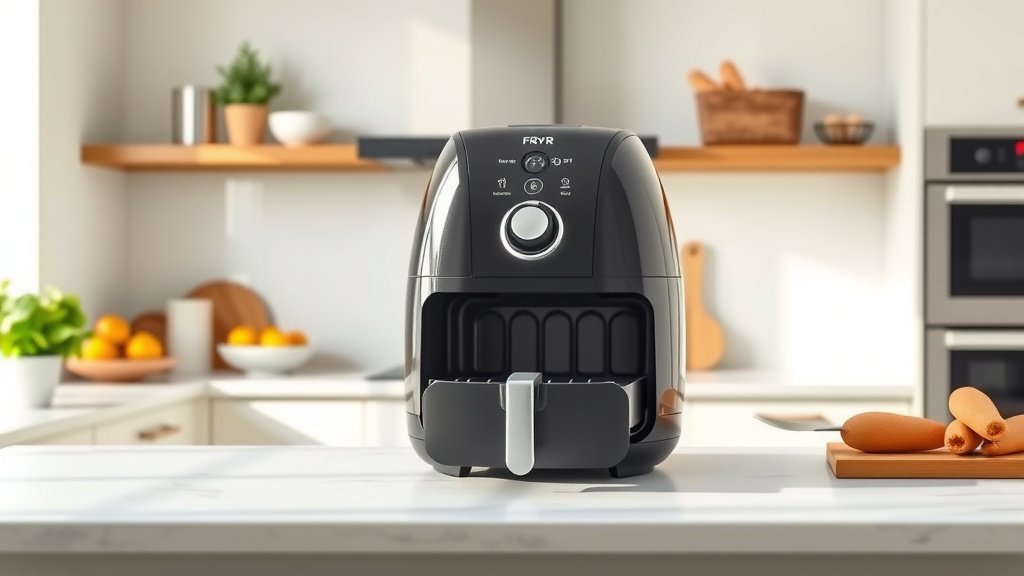
Yes, your air fryer absolutely needs ventilation around it to operate safely and effectively. Proper airflow prevents overheating and ensures your delicious food cooks evenly.
You should always leave at least 5-6 inches of clear space on all sides of your air fryer, including the back and top, for optimal performance.
TL;DR: Keep your air fryer happy and safe!
- Your air fryer generates hot air, and it needs room to release it.
- Without proper space, it can overheat, which is a safety concern.
- Good ventilation also helps your food cook better and prevents damage to surrounding surfaces.
- Always check your owner’s manual for specific distance recommendations.
- Think of it like a little chef working hard – it needs some breathing room!
Does Air Fryer Need Ventilation Around It?
Yes, your air fryer definitely needs ventilation around it. It is not just a good idea; it is a safety requirement for nearly all models.
Without adequate space, your appliance can overheat, potentially damaging itself or nearby items.
Why Ventilation Is a Must for Your Air Fryer
Think of your air fryer as a powerful mini-oven that uses hot air to cook your food. This hot air has to go somewhere.
The device is designed to release warm air through vents, usually at the back or sides.
Blocking these vents means the hot air gets trapped inside, creating a less efficient and possibly risky situation.
The Science Behind the Heat
Air fryers work by circulating very hot air at high speeds around your food. This process generates significant internal heat.
Just like a car engine needs a cooling system, your air fryer needs a way to dissipate this heat effectively.
Safety First: Avoiding Overheating Hazards
The primary reason for good ventilation is safety. An air fryer that cannot release heat properly can become excessively hot.
This extreme heat poses a fire risk, especially if flammable items are too close to the appliance (National Fire Protection Association).
Protecting Your Countertops and Cabinets
Beyond fire safety, insufficient ventilation can cause damage to your kitchen. We often hear about people with warped countertops or discolored cabinets.
The concentrated heat from blocked vents can easily ruin surfaces that are not designed to withstand high temperatures.
Better Cooking Results with Ample Space
Ventilation is not just about safety; it also impacts your food. A properly ventilated air fryer cooks more evenly.
When hot air can escape and fresh air can circulate, your food crisps up nicely and cooks through without hot spots.
Your Air Fryer’s Lifespan
Operating your air fryer without proper airflow can stress its internal components. The constant high temperatures reduce the lifespan of the heating element and fan motor.
Giving it room to breathe helps ensure your appliance serves you well for many years (Consumer Reports found that proper care extends appliance life).
How Much Space Does an Air Fryer Really Need?
Most manufacturers recommend leaving at least 5-6 inches (13-15 cm) of clear space on all sides of the air fryer.
This includes the back, sides, and especially the top, where many models have their exhaust vents.
Checking Your Owner’s Manual
Always consult your specific air fryer’s owner’s manual. This is the ultimate guide for your particular model.
Some larger or more powerful units might even suggest a bit more clearance than the general recommendation.
Where Is the Best Spot for Your Air Fryer?
Choosing the right location for your air fryer is key to safe and successful air frying. A dedicated spot on your countertop away from walls and cabinets is ideal.
Many experts recommend a large, open area, perhaps even on an island if you have one.
Avoid Enclosed Spaces
Never place your air fryer inside a cabinet or directly under an overhead cabinet while it is operating.
These enclosed spaces trap heat, creating a hazardous environment. Think of it like a sauna for your appliance, which it doesn’t need.
What About Air Fryer Placement Near Other Appliances?
Be mindful of placing your air fryer right next to other heat-sensitive appliances. Items like your refrigerator or toaster should have their own space.
You want to protect all your kitchen tools from excessive heat exposure.
A Quick Air Fryer Placement Checklist:
- Choose a stable, heat-resistant surface.
- Ensure at least 5-6 inches of space on all sides.
- Avoid placing directly under cabinets.
- Keep away from flammable materials (curtains, paper towels).
- Ensure the power cord is not pinched or near hot surfaces.
Comparing Good vs. Bad Ventilation Setups
Let’s look at the difference a good setup can make versus a risky one. It’s about giving your air fryer the breathing room it deserves.
| Ventilation Type | Pros | Cons / Risks |
|---|---|---|
| Good Ventilation | Safe operation, even cooking, appliance longevity, protects surfaces. | Requires dedicated counter space. |
| Poor Ventilation | Seems to save counter space. | Overheating risk, fire hazard, uneven cooking, damaged surfaces, shorter appliance life. |
A Simple Analogy to Remember
Imagine trying to run a marathon in a tightly sealed room without any windows. You would quickly get too hot and struggle to breathe.
Your air fryer feels a bit like that if it does not have enough space to vent its hot air.
Conclusion
Giving your air fryer ample space is a small effort with big rewards. It is not just about getting perfectly crispy fries or chicken wings.
It is about ensuring your kitchen remains a safe place and your appliance lasts for many delicious meals to come. Always refer to your manual, give it room to breathe, and enjoy your air-fried creations with confidence.
What happens if an air fryer does not have enough ventilation?
If an air fryer lacks proper ventilation, it can overheat, leading to potential fire hazards or damage to the appliance itself. It also cooks food unevenly and can harm nearby countertops or cabinets with concentrated heat.
Can I use an air fryer under a kitchen cabinet?
No, you should not use an air fryer directly under a kitchen cabinet. The hot air expelled from the vents can damage the cabinet, causing discoloration, warping, or even creating a fire risk due to trapped heat.
Should I pull my air fryer away from the wall when using it?
Yes, you should always pull your air fryer away from the wall when you are using it. This allows for essential airflow from the rear vents, preventing heat buildup against the wall and ensuring safe operation.
Do all air fryers need the same amount of ventilation space?
While a general guideline is 5-6 inches on all sides, the exact ventilation needs can vary by model. Always check your specific air fryer’s owner’s manual for the precise clearance distances recommended by the manufacturer.
Is it safe to put an air fryer on a placemat or cutting board?
Placing an air fryer on a heat-resistant placemat or cutting board can protect your countertop from direct heat. However, this does not replace the need for clear space around the air fryer’s sides, back, and top for ventilation.
