
Does Air Frying Add Fat To Food?
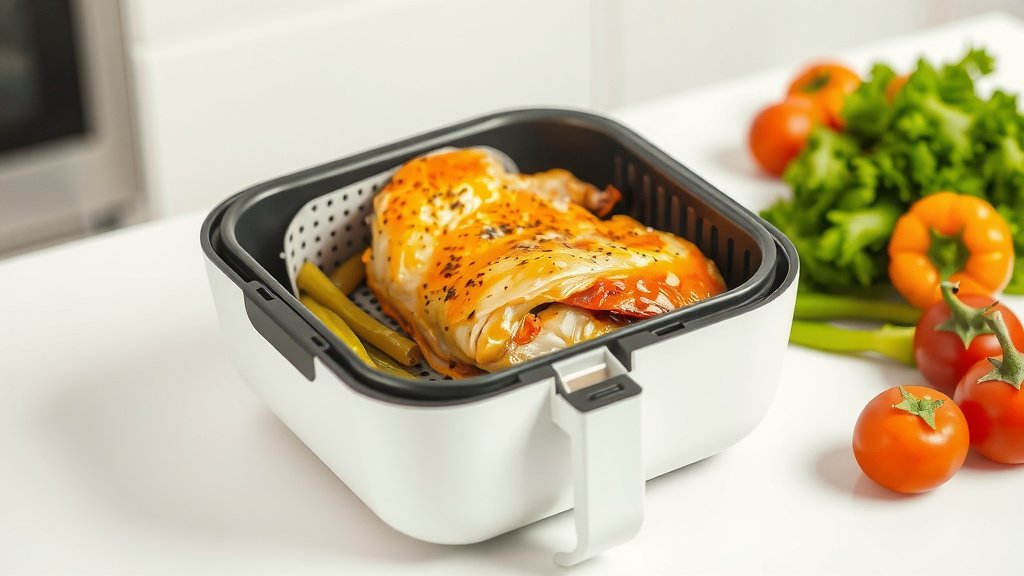
No, air frying does not add fat to your food; instead, it is designed to significantly reduce the amount of oil needed for cooking.
You can enjoy crispy textures with just a fraction of the oil used in traditional deep-frying, leading to much lighter meals.
- Air frying drastically cuts the amount of oil needed for cooking.
- Food absorbs far less fat compared to methods like deep-frying.
- You have complete control over how much oil, if any, you add to your dishes.
- It is generally a healthier cooking method when used thoughtfully.
- The primary goal of air frying is often to reduce fat content, not increase it.
Does Air Frying Add Fat To Food?
Absolutely not! The air frying process itself does not introduce fat to your food. It is a cooking method designed to help you prepare dishes with considerably less oil.
Think of it as a mini convection oven that circulates hot air to cook and crisp your food, rather than submerging it in oil.
Understanding How Air Fryers Work Their Magic
Air fryers operate using a powerful fan and a heating element. They circulate super-heated air around your food at high speeds. This creates a convection effect.
This rapid air movement mimics the effects of deep-frying, giving foods a crispy exterior without the need for excessive oil. It is quite a clever invention.
The “Why” Behind Less Fat
The secret is the intense, even heat distribution. This heat cooks the food thoroughly and creates a crunchy crust.
Because the hot air does most of the work, you only need a minimal amount of oil, if any, to achieve that desirable crispy texture. It is like a dry sauna for your food.
Comparing Air Frying to Traditional Methods
Let us look at how air frying stacks up against other popular cooking techniques. You might be surprised by the differences.
Understanding these contrasts helps clarify why air frying is often seen as a healthier option for many dishes.
| Cooking Method | Typical Oil Usage | Fat Absorption |
|---|---|---|
| Deep Frying | Substantial (cups of oil) | High |
| Pan Frying | Moderate (several tablespoons) | Medium |
| Baking/Roasting | Minimal (light drizzle/spray) | Low |
| Air Frying | Very Minimal (a few teaspoons/spray) | Very Low |
Oil Absorption: A Key Difference
When you deep-fry, food is immersed in hot oil, which is then absorbed into its pores. This dramatically increases the fat content.
With air frying, food is not submerged. A thin layer of oil, often just a mist, adheres to the surface, helping with crispiness but not soaking into the food as much.
When Your Air Fryer Might Seem to Add Fat (It’s a Myth!)
Sometimes people wonder if air-fried food tastes fatty. This is usually not because the air fryer adds fat.
It is often due to the food you are cooking or how much oil you decided to add. Pre-packaged items, for instance, often contain their own fats.
The Role of Added Oils in Air Frying
You do not always need to add oil when air frying. Many foods, especially those already high in natural fats like chicken wings, cook well without any extra oil.
When you do add oil, it is typically just a light spray or a tiny drizzle. This helps achieve an even crispier result and prevents sticking.
The Healthier Choice: Controlling Your Fat Intake
One of the biggest advantages of air frying is the control it gives you. You decide precisely how much fat goes into your meal.
Reducing excess dietary fat can contribute to better overall health, supporting heart health and weight management goals (Mayo Clinic).
Making Smart Oil Choices
When you use oil, think about the type. Avocado oil or olive oil are good choices due to their higher smoke points and beneficial fats.
Remember, a little goes a long way. You are not aiming to coat the food heavily, but rather to give it a light sheen.
Maximizing Health Benefits with Your Air Fryer
Your air fryer can be a fantastic tool for preparing healthier meals. It encourages you to cook from scratch more often.
Consider air frying vegetables like broccoli, brussels sprouts, or bell peppers for a quick, flavorful, and low-fat side dish.
A Quick Checklist for Lower-Fat Air Frying
- Choose leaner cuts of meat or poultry.
- Use a light oil spray instead of pouring oil.
- Cook foods that are naturally lower in fat.
- Drain any excess fat from foods like bacon or sausages.
- Pat foods dry before air frying for better crisping and less oil need.
Debunking Common Air Frying Fat Myths
Some people think air fryers make food dry, leading them to add more oil. This is not necessarily true.
With proper temperature and timing, your air-fried food can be moist inside and wonderfully crisp outside, even with minimal oil.
The Air Fryer and Your Plate: A Weight Management Partner?
By helping you reduce the amount of oil and calories in your meals, air frying can indeed support weight management.
Preparing healthier versions of your favorite “fried” foods allows you to enjoy them more often without the guilt (NIH).
Nutritional Impact: What We Found
Research suggests that cooking methods reducing fat can greatly impact your diet. We found that air frying easily fits into a balanced eating plan.
It provides a way to enjoy foods often considered indulgent in a more health-conscious manner.
Conclusion
In short, no, air frying does not add fat to food. It is a brilliant kitchen appliance designed to help you prepare your favorite crispy dishes using significantly less oil.
By understanding how it works and making smart choices about the food and oils you use, you can enjoy delicious, healthier meals. Embrace your air fryer as a tool for lighter, tastier cooking.
Is Air Fried Food Truly Healthier?
Air-fried food is generally considered healthier than deep-fried food because it uses far less oil, which reduces calorie and fat intake. However, the overall healthiness depends on the food being cooked and other ingredients used.
Do I Need to Use Any Oil at All in an Air Fryer?
Not always. Many foods, especially those with natural fats like fatty meats or pre-breaded items, do not require added oil. Vegetables and leaner proteins often benefit from a light mist of oil for optimal crispiness and flavor.
What Foods Are Best for Low-Fat Air Frying?
Lean proteins such as chicken breast, fish fillets, and shrimp are excellent. Vegetables like broccoli, cauliflower, carrots, and sweet potatoes also air fry wonderfully with minimal oil. Homemade potato fries can also be made much lighter.
Can Air Frying Remove Fat From Food?
While an air fryer does not “remove” fat in the way a sponge would, it can cause some of the existing fat in fatty foods, like bacon or sausages, to drip away into the collection basket. This contributes to a less greasy final product.
Does Air Frying Change the Taste or Texture of Food?
Air frying aims to replicate the crispy exterior of fried foods without the oily residue. You will find that many foods come out wonderfully crispy and golden brown, with a taste similar to oven-roasted or pan-fried dishes but often with a lighter feel.
