
Does Air Frying Change Food Taste?
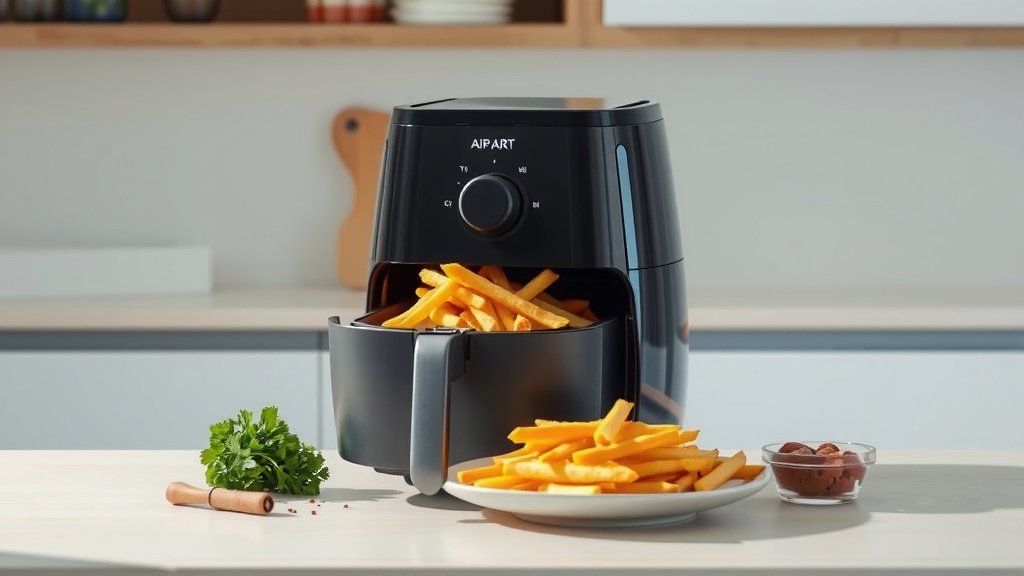
Yes, air frying definitely changes food taste, primarily by creating an incredibly crispy texture and concentrating flavors. You’ll often notice a drier, more intense flavor profile compared to deep-frying or traditional oven baking.
Expect your food to be wonderfully crunchy on the outside, with flavors that pop due to the powerful circulating hot air. It’s a distinct culinary experience that many people truly enjoy.
- TL;DR: Air frying makes food super crispy.
- Flavors often become more concentrated and intense.
- Food feels less greasy, allowing natural tastes to shine.
- The cooking process is faster, locking in freshness.
- It offers a healthier way to enjoy “fried” textures.
Does Air Frying Change Food Taste?
Absolutely, air frying changes how your food tastes. The change is usually for the better, especially if you love crispy textures. It’s like getting the best parts of frying without all the oil.
You’ll notice a distinct difference in both the taste and feel of your favorite meals. It’s a different approach to cooking that impacts the final flavor.
The Science Behind Air Frying Taste
An air fryer works like a small, powerful convection oven. It circulates hot air very quickly around your food. This process is key to how the taste changes.
This rapid air movement creates a browning effect, known as the Maillard reaction, which develops those rich, savory flavors you love. It’s chemistry happening right in your kitchen.
Crispiness: The Air Fryer’s Signature
The biggest taste change is often the texture. Air frying creates an unmatched crispiness. Think about biting into a perfect french fry or a crunchy chicken wing.
This isn’t the soft chewiness you get from a regular oven. It’s a satisfying crunch that makes many foods taste simply irresistible (Mayo Clinic).
Concentrated Flavors and Aromas
Because less oil is used and moisture evaporates, flavors become more concentrated. You might notice the natural taste of your food becoming more prominent.
Herbs, spices, and the food itself can taste bolder. It’s like turning up the volume on your favorite flavors.
Is the Taste Better or Just Different?
Whether the taste is “better” is really up to you. Many find the crispy texture and intense flavors superior for certain foods. It truly depends on your preference.
Some people love the less greasy feel. Others miss the richness that deep fat frying provides. It’s a personal journey of discovery.
When Air Frying Excels for Taste
Air frying truly shines with foods that benefit from a crispy exterior. Think frozen fries, chicken nuggets, or fish sticks.
Vegetables like broccoli, brussels sprouts, and potatoes also get a lovely caramelized, crispy edge. They turn from good to amazing.
Foods Where Taste Might Be Less Ideal
For some items, air frying might not be the top choice. Delicate foods, saucy dishes, or heavily battered items might not benefit as much.
Custards, thin fish fillets, or dishes needing slow simmering often do better with other cooking methods. You might find them too dry or unevenly cooked.
How Air Frying Changes Texture
Beyond the surface crisp, air frying can also maintain a tender interior. This balance is what makes it so popular.
You get that satisfying crunch outside while keeping the inside moist and flavorful. It’s a winning combination for many dishes.
The Maillard Reaction in Your Air Fryer
This scientific process is what creates the wonderful browning and complex flavors. It’s not just burning; it’s a chemical reaction between amino acids and reducing sugars.
The intense dry heat in an air fryer accelerates this reaction. This leads to those deep, savory, and sometimes slightly sweet notes in your food.
Reducing Oil: A Flavor Impact
One of the biggest differences is the lack of excessive oil. This means your food tastes cleaner and less greasy. You get more of the actual food flavor.
Many experts say this reduction in oil can actually enhance the natural taste of ingredients (NIH). It’s a refreshing change for your palate.
| Feature | Air Frying Taste | Deep Frying Taste |
|---|---|---|
| Crispiness | Very high, dry crunch | High, often a bit oily |
| Flavor Intensity | Concentrated, natural | Rich, sometimes masked by oil |
| Grease Level | Very low | High |
| Aftertaste | Clean, light | Heavy, sometimes oily |
Tips to Master Air Fryer Flavor
Want to get the absolute best taste from your air fryer? A few simple tricks can really make a difference. It’s about optimizing the cooking process.
Small adjustments can lead to big flavor rewards. Don’t be afraid to experiment a little in your kitchen.
- Preheat your air fryer for even cooking.
- Don’t overcrowd the basket; cook in batches.
- Use a light spritz of oil for browning.
- Shake or flip food halfway through cooking.
- Season generously before cooking for best results.
- Clean your air fryer regularly to avoid lingering smells.
Seasoning and Marinades Are Your Friends
Because flavors are concentrated, good seasoning is key. Marinating meats or coating veggies in herbs and spices will yield powerful results.
The dry heat helps create a delicious crust with your chosen seasonings. It locks in those vibrant flavors.
Don’t Forget the Shake and Flip!
For even cooking and consistent crispiness, shake your basket or flip your food. This ensures all surfaces get exposed to the hot air.
Uneven cooking can lead to bland spots or dry patches. A quick shake is all it takes to keep things perfect.
Understanding Food Moisture Loss
Air frying can cause more moisture loss than traditional baking. This is part of why flavors become concentrated and textures crisp up.
Too much moisture loss can make food dry. But with careful timing, you can achieve a great balance. Think about a perfectly roasted chicken.
Is it Healthier? A Quick Taste Note
The reduced oil content often means air-fried food is seen as a healthier choice. This can also mentally influence your perception of taste, making it feel lighter and less heavy.
We found that less oil makes food taste “cleaner” to many people. It’s a subtle but important part of the air frying experience.
Conclusion
Air frying certainly changes how your food tastes, primarily by delivering an incredibly crispy texture and intensifying flavors. It offers a unique cooking experience that often reduces oil while maximizing deliciousness.
While the taste is different from deep frying or baking, many find it a delightful change, especially for foods that benefit from a golden, crunchy finish. Give it a try; you might just discover a new favorite way to cook!
Can air-fried food taste like it’s deep-fried?
Air-fried food gets a fantastic crispiness, much like deep-fried items, but often tastes less greasy. You get the crunch without the heavy oil flavor or feel. It’s a great alternative that satisfies that “fried” craving.
Does seasoning or spices taste different in an air fryer?
Yes, seasoning and spices can taste more intense in an air fryer. The dry, circulating heat helps create a flavorful crust. This concentrates the spice flavors, making them really stand out compared to other cooking methods.
Why might my air-fried food taste dry sometimes?
Air-fried food can taste dry if it’s overcooked or doesn’t have enough natural moisture. Since air fryers circulate hot air rapidly, they can dry out food quickly. Using a light oil spray or a marinade can help keep moisture locked in.
What’s the main taste difference in air-fried chicken vs. pan-fried?
Air-fried chicken generally has a drier, crispier skin and a less oily taste than pan-fried chicken. Pan-fried chicken often absorbs more oil, giving it a richer, sometimes greasier flavor profile, while air-fried is lighter and more focused on the chicken’s natural taste.
Does the type of air fryer affect the taste of food?
While all air fryers use similar technology, slight variations in temperature control, fan speed, and basket design among different models can subtly affect cooking evenness and crispiness. This can, in turn, impact the final taste, but generally, the core taste changes remain consistent across models.
