
Does Air Frying Destroy Nutrients?
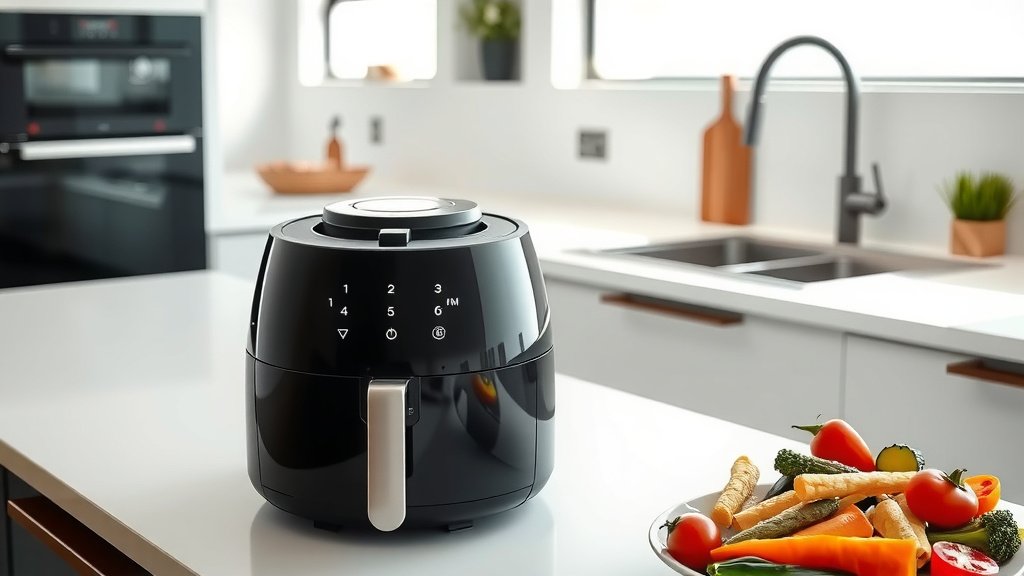
No, air frying generally does not destroy nutrients any more than other common cooking methods like baking or roasting. Your air fryer can often help preserve more nutrients by using less oil and cooking efficiently.
The extent of nutrient loss during air frying largely depends on factors such as cooking time, temperature, and the specific type of food you are preparing.
- Air frying typically preserves nutrients as well as, or sometimes better than, other popular cooking methods.
- Excessive heat and long cooking times are the primary causes of nutrient degradation in any cooking method.
- Certain water-soluble vitamins, like Vitamin C and some B vitamins, are more susceptible to heat.
- Using less oil in air frying can make it a healthier alternative to deep frying, especially for fat-soluble vitamins.
- You can actively preserve nutrients by controlling cooking duration, temperature, and food preparation.
Does Air Frying Destroy Nutrients?
No, air frying usually does not destroy nutrients more than traditional oven baking or roasting. In fact, its cooking style can help you maintain more of the good stuff.
Many experts confirm that the quick, even heat distribution often leads to good nutrient retention (NIH).
The Science Behind Nutrient Loss
When you cook, some nutrient loss is a natural process, no matter the method. Heat, light, and exposure to air can all affect the chemical structure of nutrients.
Understanding this helps us see how air frying fits into the bigger picture of healthy cooking methods.
What Happens to Vitamins?
Vitamins are often divided into two groups: water-soluble (like C and B vitamins) and fat-soluble (A, D, E, K). Water-soluble vitamins are more sensitive to heat and can leach out into cooking water.
Since air frying doesn’t use water, it might actually protect these sensitive vitamins better than boiling or steaming.
Minerals and Air Frying
Minerals, such as calcium or iron, are generally quite stable during cooking. They are less affected by heat compared to many vitamins.
This means your air fryer is highly unlikely to significantly degrade the mineral content of your food.
Comparing Air Frying to Other Methods
How does your air fryer stack up against the other kitchen appliances? Let’s consider a few common cooking techniques and their impact on nutrients.
It’s not about being perfect, but about making smarter cooking choices for your health.
Air Frying vs. Deep Frying
This is where your air fryer truly shines! Deep frying involves submerging food in hot oil, which can lead to high fat absorption and nutrient loss due to extreme temperatures.
Air frying uses a fraction of the oil, drastically reducing unhealthy fats and potentially preserving more fat-soluble vitamins that might otherwise be degraded or diluted.
Air Frying vs. Baking/Roasting
Air frying is very similar to convection baking or roasting. Both methods use hot air to cook food. Research often shows similar nutrient retention for these techniques.
The main difference is that air fryers are typically smaller and circulate air more intensely, often leading to faster cooking times.
Here’s a quick comparison of nutrient retention for some common cooking methods, using a general example like vegetables:
| Cooking Method | Vitamin C Retention | Antioxidant Retention |
|---|---|---|
| Steaming | High | High |
| Air Frying | Medium-High | Medium-High |
| Boiling | Low | Low |
| Roasting | Medium | Medium |
Specific Nutrients to Watch
While air frying is generally good, it’s helpful to know which nutrients are most vulnerable. This way, you can tailor your cooking to maximize their presence on your plate.
A little awareness goes a long way in keeping your meals nutritious.
Vitamin C and B Vitamins
These water-soluble vitamins are the most sensitive to heat and light. Excessive cooking time or very high temperatures can reduce their levels.
However, the quick cooking time of an air fryer can sometimes minimize this exposure compared to longer baking sessions.
Beneficial Fats and Air Frying
When cooking foods rich in healthy fats, like fish or avocado, moderate temperatures are best. Overheating can degrade delicate unsaturated fats.
Your air fryer, with proper temperature control, allows you to cook these foods thoroughly without excessive heat exposure.
Tips for Preserving Nutrients in Your Air Fryer
You have more control than you think over nutrient retention. A few simple adjustments to your air frying habits can make a big difference.
Think of these as your secret weapons for healthier meals.
Don’t Overcook
Just like any cooking method, overcooking can degrade nutrients. Use a meat thermometer for proteins and watch vegetables closely so they retain some crispness.
Aim for that perfect balance of cooked through but not burnt or dried out.
Use Proper Temperature
While air frying uses high heat, using the right temperature for your specific food is key. Lower temperatures for longer periods might sometimes preserve nutrients better than blasting food at the highest setting.
Follow recipe guidelines, and remember, patience is a virtue in the kitchen.
Cut Food Correctly
Smaller pieces cook faster and can sometimes expose more surface area to heat, leading to more nutrient loss. But larger pieces might take too long to cook evenly.
Try to cut your food into uniform, medium-sized pieces for the best results.
Here’s a quick checklist to help you:
- Preheat your air fryer to the correct temperature.
- Don’t overcrowd the basket for even cooking.
- Flip foods halfway through the cooking process.
- Avoid overcooking; use a food thermometer.
- Cook food as close to serving time as possible.
What About Acrylamide?
Acrylamide is a chemical that can form in some starchy foods when they are cooked at very high temperatures, like in frying or roasting. It’s a natural byproduct of certain cooking methods.
While air frying can produce acrylamide, it generally creates less than deep frying due to lower oil use and often shorter cooking times (Cleveland Clinic).
Minimizing Risks
To reduce acrylamide formation, aim for a golden-yellow color on starchy foods like potatoes, rather than dark brown. Pre-soaking raw potatoes in water for 15-30 minutes before air frying can also help.
Also, avoid storing potatoes in the fridge, which can increase sugar content and lead to more acrylamide formation during cooking.
The Air Fryer: A Healthier Cooking Choice?
Overall, your air fryer can be a fantastic tool for healthier cooking. It offers a way to enjoy crispy, delicious foods with significantly less fat than traditional frying.
When used wisely, it’s a great ally in maintaining nutrient content and preparing wholesome meals.
Conclusion
Air frying doesn’t inherently destroy nutrients more than many other cooking methods. The key takeaway is that cooking method, time, and temperature all play a part in nutrient retention. By being mindful of these factors, you can effectively preserve the goodness in your food.
Embrace your air fryer not just for its convenience, but for its potential to help you prepare nutritious and tasty meals that support your health goals.
How does air frying affect antioxidants in food?
Air frying, similar to baking or roasting, can cause some reduction in antioxidants due to heat exposure. However, because it often cooks food faster and uses less oil than deep frying, it can be a relatively good method for retaining many beneficial antioxidants.
Can I air fry vegetables without losing too many nutrients?
Yes, you can! Air frying vegetables can be a great way to cook them. To minimize nutrient loss, cook them until they are tender-crisp, not mushy or burnt. Use a moderate temperature and don’t overcrowd the basket to ensure even, quick cooking.
Is it better to air fry or steam for nutrient retention?
For water-soluble vitamins like Vitamin C and B vitamins, steaming often wins because it uses minimal water and indirect heat. However, air frying can be better than boiling, and it often preserves fat-soluble vitamins well because it doesn’t involve water and reduces the need for excessive oil.
Does using less oil in air frying impact nutrient absorption?
Using less oil in air frying primarily reduces unhealthy fat intake. For fat-soluble vitamins (A, D, E, K), a small amount of healthy fat is actually needed for their absorption. Air frying allows you to add just enough healthy oil, which can support absorption without overdoing it.
Are there any foods that should NOT be air fried to preserve nutrients?
While most foods do well, delicate leafy greens might wilt too quickly and lose texture/nutrients in a high-heat air fryer. Also, very starchy foods cooked to extreme crispiness might form more acrylamide. Generally, any food that would be negatively affected by high, dry heat will not benefit from air frying, but this is more about texture and taste than universal nutrient destruction.
