
Does Air Frying Food Cause Nutrient Loss?
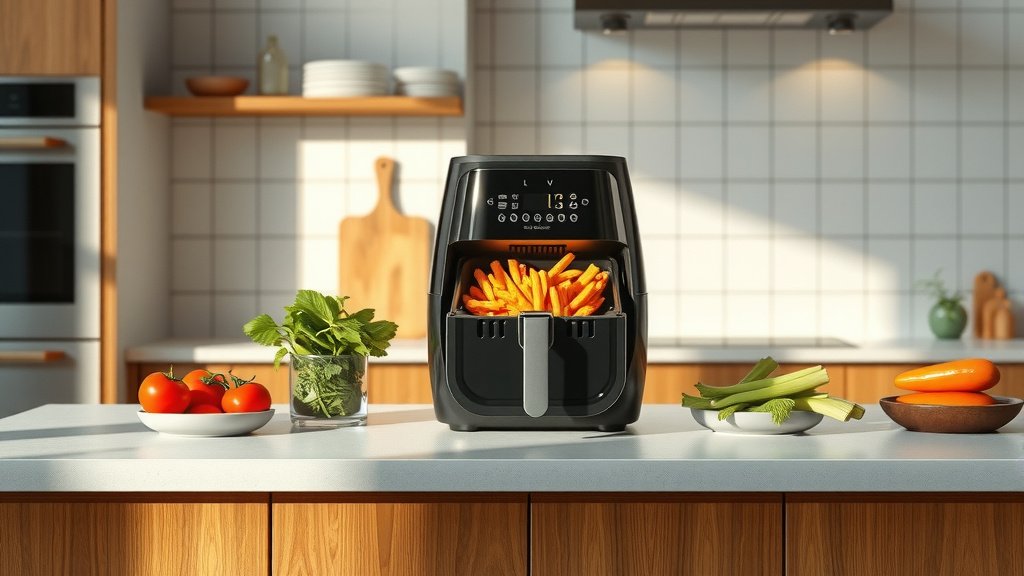
No, air frying generally does not cause significantly more nutrient loss than other common cooking methods like baking or roasting. In fact, for some nutrients, it can even help with better retention due to its faster cooking times and reduced need for added fats.
You might even find that certain foods cooked in an air fryer retain more of their valuable vitamins and minerals because of the way hot air circulates quickly and efficiently around your food.
TL;DR:
- Air frying is often comparable to baking or roasting for nutrient retention.
- Faster cooking times in an air fryer can help preserve heat-sensitive nutrients.
- Water-soluble vitamins are less likely to leach out compared to boiling methods.
- Minimize nutrient loss by not overcooking and using appropriate temperatures.
- Air frying can be a healthy cooking method, especially when reducing oil.
Does Air Frying Food Cause Nutrient Loss?
The short answer is no, not usually in a way that should concern you more than other cooking methods. When you air fry, you are essentially baking or roasting food with super-hot, circulating air.
Every cooking method changes food, and some nutrient loss is a natural part of that process. The goal is to choose methods that minimize this impact while still giving you tasty results.
Understanding Nutrient Loss in Cooking
Think about it: heat, water, and air exposure are factors that can reduce the nutrient content in food. For instance, boiling vegetables can cause water-soluble vitamins like Vitamin C and B vitamins to leach into the water you might then discard (Mayo Clinic).
Frying in deep oil, on the other hand, can introduce unhealthy fats and high temperatures that degrade certain sensitive compounds. It’s a balancing act to keep food nutritious and delicious.
How Air Frying Compares to Other Methods
When you use an air fryer, you’re not submerging your food in oil or water. This method uses dry heat, similar to an oven. Research often compares air frying’s nutrient impact favorably to baking and roasting methods (NIH).
Since air frying uses minimal oil and often cooks faster, it can actually be a good way to preserve nutrients. Isn’t that a pleasant surprise for such a convenient appliance?
| Cooking Method | Primary Nutrient Impact | Notes |
|---|---|---|
| Boiling | High loss of water-soluble vitamins (C, B) | Nutrients leach into water. |
| Deep Frying | Potential oxidation, fat absorption | High temperatures can degrade some nutrients. |
| Steaming | Good retention, especially for water-soluble vitamins | Gentle heat, no water immersion. |
| Baking/Roasting | Moderate loss, especially with longer times | Dry heat similar to air frying. |
| Air Frying | Generally good retention, reduced oil | Fast cooking, dry heat, less oil needed. |
Vitamins and Minerals: What Happens?
Let’s talk specifics. What about those tiny powerhouses in your food?
Water-soluble vitamins (like Vitamin C and B vitamins) are the most vulnerable to leaching in water. Since air frying is a dry-heat method, you avoid this common pitfall of boiling. Many experts say that keeping food out of excess water helps these vitamins stay put.
Fat-soluble vitamins (A, D, E, K) are generally more stable under heat. They might see minimal reduction, but nowhere near the concerns you’d have with methods that involve high-fat absorption, which can alter nutrient profiles.
Minerals, like potassium and iron, are quite heat-stable. They are usually not significantly affected by air frying temperatures. The biggest concern for minerals is often the loss of the food itself through aggressive cooking methods.
Antioxidants Under Heat
Antioxidants are a bit of a mixed bag. Some, like lycopene in tomatoes, can actually become more bioavailable (easier for your body to absorb) with heat. Others, particularly some delicate polyphenols, can be reduced.
However, the rapid cooking time of an air fryer can be a friend to these compounds, minimizing their exposure to prolonged heat. We found that cooking food quickly can be a smart strategy for preserving beneficial antioxidants.
Factors That Influence Nutrient Retention
It’s not just the cooking method; it’s also how you use it.
Cooking Temperature: Higher temperatures can degrade some heat-sensitive nutrients. However, air fryers cook quickly, which can balance out the heat impact.
Cooking Time: This is a big one. The longer food is exposed to heat, the more nutrients can be lost. Air frying’s speed can be a major advantage here. Think of it as a sprint versus a marathon for your nutrients.
Food Type and Preparation: The starting point matters. How you cut your food, whether it’s peeled, and its initial freshness all play a part in its final nutrient content. Smaller pieces might cook faster but have more surface area exposed.
The Role of Moisture in Your Air Fryer
Unlike traditional deep frying where moisture can quickly escape and be replaced by oil, air frying helps to lock in some of the food’s natural moisture. This means nutrients aren’t easily “steamed out” or replaced by unhealthy fats.
Keeping food moist inside while crisping the outside is one of the air fryer’s superpowers. This can also help to preserve the integrity of your food’s nutrients.
Practical Steps to Keep Nutrients Intact
You can absolutely maximize nutrient retention when air frying!
Here’s a quick checklist to help you:
- Don’t Overcrowd the Basket
- Preheating Really Matters
- Use the Right Temperature
- Watch Your Timing Closely
- Cut Food Evenly for Uniform Cooking
Let’s dive a little deeper:
- Don’t Overcrowd: Give your food space. Overcrowding lowers the temperature and increases cooking time, leading to more nutrient degradation.
- Preheating Matters: A properly preheated air fryer cooks food faster and more evenly, which helps reduce the total heat exposure time.
- Use the Right Temperature: While air frying cooks quickly, using excessively high temperatures for too long can still be detrimental. Follow recipe guidelines or start lower and adjust.
- Watch Your Timing: Just like with an oven, don’t overcook your food. Pull it out as soon as it’s done to prevent unnecessary nutrient loss. A quick peek won’t hurt!
- Cut Food Evenly: Uniformly sized pieces cook at the same rate. This avoids some parts being undercooked while others are overcooked and losing nutrients.
- Consider a Light Coating: A thin layer of oil or seasoning can act as a protective barrier, helping to retain moisture and, indirectly, nutrients.
Is Air Frying Still a Healthy Choice?
Absolutely! Many guidelines point to air frying as a healthier alternative to deep frying (Cleveland Clinic). The key benefit is the drastic reduction in added fats and calories, which is often a bigger nutritional win than marginal nutrient losses from heat.
You get that satisfying crispiness without the guilt. Plus, it makes cooking vegetables more appealing for many families. Who doesn’t love crispy broccoli or Brussels sprouts?
Addressing Potential Concerns Beyond Nutrients
While our focus here is nutrient loss, you might wonder about other aspects. Cooking any food at high temperatures, whether air frying, grilling, or roasting, can create certain compounds, such as acrylamide in starchy foods. However, the amounts are often comparable to other dry-heat methods.
The goal is balanced cooking and a varied diet. Air frying is a fantastic tool in your culinary arsenal; just use it smartly, like any other kitchen appliance.
Conclusion
Does air frying cause nutrient loss? Yes, like all cooking methods, some changes occur. However, it’s generally a very nutrient-friendly way to cook. Its ability to cook food quickly with minimal oil often means you’re retaining more of those good-for-you vitamins and minerals compared to many traditional methods.
So, go ahead and enjoy your air fryer! By following a few simple tips, you can keep your meals delicious, crispy, and packed with the nutrients your body needs. It’s all about cooking smart and making choices that work for you and your health goals.
Does air frying destroy Vitamin C?
Air frying generally causes less Vitamin C loss compared to boiling because Vitamin C is water-soluble and can leach into cooking water. While some heat degradation occurs, the dry, fast heat of air frying can help preserve more of it.
Is air-fried food as healthy as baked food?
Yes, air-fried food is often very comparable to baked food in terms of health benefits. Both methods use dry heat and minimal added fats. Air frying often achieves a crispier texture faster, which can sometimes be an advantage for nutrient retention due to shorter cooking times.
Can air frying preserve antioxidants better than other methods?
For some antioxidants, air frying can be beneficial due to its rapid cooking, which limits heat exposure. However, some delicate antioxidants are still sensitive to heat regardless of the method. It’s often better than deep frying but similar to roasting or steaming.
Do I need to worry about nutrient loss if I air fry vegetables?
You shouldn’t worry excessively. Air frying vegetables is a great way to enjoy them with less oil and often helps them retain a good portion of their nutrients. Focus on not overcooking them and enjoying a variety of veggies.
What kind of foods are best for nutrient retention in an air fryer?
Lean proteins like chicken or fish, and non-starchy vegetables like broccoli, bell peppers, or asparagus, often fare very well in an air fryer for nutrient retention. Their moisture content and structure help them cook quickly and evenly without excessive nutrient loss.
