
Does Air Frying Food Change Its Texture?
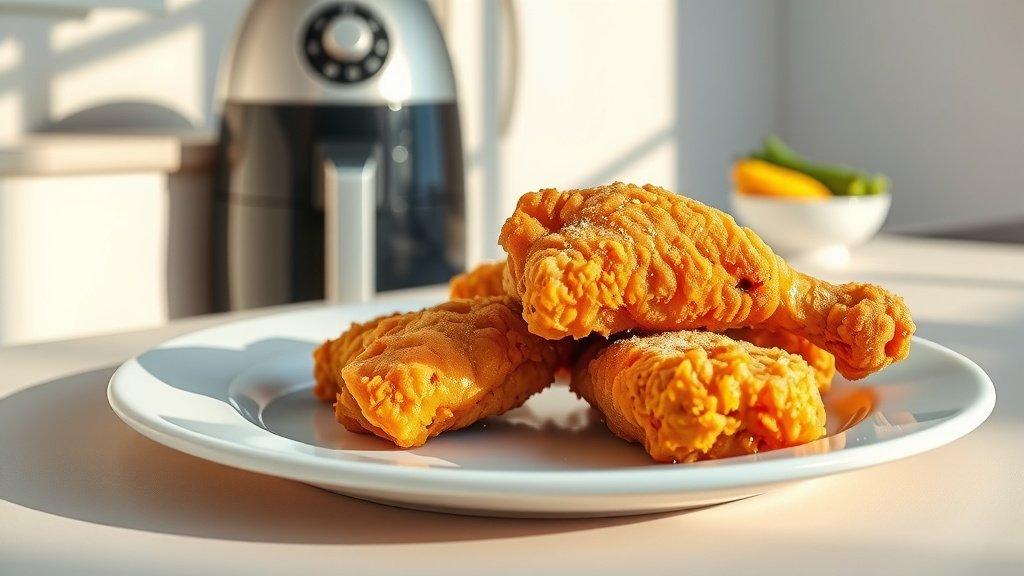
Yes, air frying absolutely changes the texture of food, primarily by making it significantly crispier and crunchier on the outside.
You can expect a delightful golden-brown finish that often mimics deep-fried results with far less oil, while the inside remains tender and moist.
- TL;DR: Air frying makes food super crispy and crunchy on the outside.
- It uses hot air to create a satisfying, golden texture without much oil.
- Many foods develop a delicious Maillard reaction crust.
- Foods often become less greasy and lighter compared to deep frying.
- The inside of your food generally stays tender, not dried out.
Does Air Frying Food Change Its Texture?
You might be wondering if your favorite foods will feel different after a spin in the air fryer, and the answer is a resounding yes!
Air frying excels at transforming textures, often for the better, making foods wonderfully crispy on the outside while maintaining tenderness within.
The Air Fryer’s Magic Touch
Think of your air fryer as a powerful countertop convection oven. It circulates super-hot air around your food at high speed.
This intense airflow is key to how air frying works its magic, creating a distinct texture difference compared to traditional baking or even pan-frying.
Crunchy, Crispy Perfection
The most obvious change you will notice is the incredible crispness. Foods like frozen fries, chicken wings, and breaded items get a delightful crunch that reminds you of deep-fried dishes.
This is because the hot air quickly dries the food’s surface, allowing it to brown and crisp up beautifully.
Inside Stays Tender
While the outside gets crispy, the inside typically remains moist and juicy. This balance is a major benefit of air frying.
The quick cooking time helps lock in moisture, meaning you get that satisfying crunch without a dry center.
Understanding the Texture Transformation
So, what’s happening on a scientific level to create these textures?
It boils down to a couple of important culinary reactions that air fryers are particularly good at triggering.
Maillard Reaction and Caramelization
The high heat in an air fryer quickly kicks off the Maillard reaction. This chemical process is what makes food brown and develop rich, savory flavors and aromas.
For foods with sugars, like many vegetables, caramelization also occurs, adding a lovely sweetness and a slightly crisp, glazed exterior (Cleveland Clinic).
Less Oil, Different Feel
Compared to deep frying, air frying uses a fraction of the oil, often just a light spray. This drastically changes the mouthfeel of your food.
You get a lighter, less greasy texture, which many people find more enjoyable and less heavy (Mayo Clinic).
What Foods Benefit Most?
Curious what foods will really shine with an air-fried texture?
Many items become incredibly appealing thanks to the air fryer’s unique cooking method.
Frozen Favorites
If you love frozen snacks, your air fryer is a game-changer. Frozen french fries, chicken nuggets, fish sticks, and mozzarella sticks come out wonderfully crisp.
They cook faster and often taste better than when prepared in a conventional oven.
Veggies Get a Boost
Roasted vegetables take on a new life. Broccoli, Brussels sprouts, asparagus, and bell peppers develop a lovely char and crisp edges.
They retain their tenderness inside, creating a simple side dish that feels special.
Reheating Leftovers
Tired of soggy leftovers? The air fryer can bring them back to life. Pizza crusts crisp up, fried chicken skin regains its crunch, and spring rolls become perfectly warm and crispy again.
It’s a great way to salvage textures that other reheating methods fail to revive.
Here’s a quick look at how air frying impacts common foods compared to other methods:
| Food Item | Deep Fried Texture | Oven Baked Texture | Air Fried Texture |
|---|---|---|---|
| French Fries | Very crispy, greasy | Soft, somewhat dry | Crispy, less greasy |
| Chicken Wings | Crispy skin, juicy inside, greasy | Chewy skin, somewhat dry | Crispy skin, very juicy inside, lighter |
| Brussels Sprouts | Soft, sometimes soggy | Tender, slightly browned | Tender inside, crisp charred edges |
| Spring Rolls | Very crispy, oily | Soft, lacks crunch | Crispy, golden, minimal oil |
What Foods Might Not Be Ideal?
While the air fryer is fantastic for many things, some foods don’t always get a texture upgrade. What should you approach with caution?
Delicate Batters
Very wet batters, like those used for tempura, can get blown around by the powerful fan before they have a chance to set.
This can result in a messy fryer and an unevenly cooked, or even lost, coating.
Leafy Greens
Spinach or kale, for example, tend to dry out extremely quickly in the air fryer due to the intense circulating heat.
They can become brittle or even burn before you achieve a desired texture, unless you’re aiming for kale chips and watch them very closely.
Overly Saucy Dishes
Foods completely drenched in liquid sauces can be challenging. The sauce might bubble and splatter, creating a mess, and the food may not crisp up properly.
It often works better to add sauces after air frying for best texture results.
Tips for Mastering Air Fryer Textures
Want to get the absolute best crispy, tender results every time? A few simple tricks can make a big texture difference.
Don’t Overcrowd
This is probably the most important tip. Your air fryer needs space for air to circulate freely around each piece of food.
Overfilling the basket traps moisture and prevents browning, leading to steamed instead of crispy textures.
Preheat is Your Friend
Just like an oven, preheating your air fryer ensures that food starts cooking immediately at the right temperature.
This helps achieve even cooking and that initial crisp layer more quickly.
Shake or Flip
For consistent crispness, especially with smaller items like fries or veggies, remember to shake the basket halfway through cooking.
For larger items like chicken pieces, a simple flip helps both sides get golden brown.
A Light Oil Spray
While air frying uses minimal oil, a light spray of cooking oil or a brush with a small amount of oil can significantly enhance crispness and color.
It helps the outside get that perfect golden crust (NIH).
Here’s a quick checklist to ensure your air-fried foods reach their textural potential:
- Preheat your air fryer before adding food.
- Never overcrowd the basket; cook in batches if needed.
- Use a light coating of oil for extra crispness and color.
- Shake the basket or flip items halfway through cooking.
- Experiment with different temperatures and times for your specific model.
- Always check for doneness using an internal thermometer where needed.
The Health Perspective on Texture
Beyond taste, the textural changes from air frying also often contribute to a healthier meal. Because you are using so much less oil, your food absorbs less fat.
You can enjoy that satisfying crunch without the heavy, greasy feeling often associated with deep-fried foods.
Conclusion
So, does air frying food change its texture? Absolutely, and usually for the better! You get that sought-after crispy, golden exterior with a tender interior, all with less oil than traditional deep frying.
It’s a fantastic way to enjoy many of your favorite foods in a new, lighter way, transforming their texture into something truly special.
Does air frying make food dry?
Not typically. While the circulating hot air is designed to crisp the exterior, the relatively quick cooking time usually helps to seal in moisture, keeping the inside of foods like chicken, fish, and vegetables tender and juicy.
Can you get a soft texture from an air fryer?
Yes, for some foods, you can! While air fryers excel at crisping, you can also achieve soft textures. For instance, baked potatoes or sweet potatoes come out with a fluffy interior, and softer baked goods can be cooked gently if you adjust the temperature and time appropriately.
Why do some air-fried foods taste different than oven-baked?
The main reason is the intense, rapid air circulation in an air fryer. This creates a more pronounced Maillard reaction and faster surface dehydration than a conventional oven, leading to a crispier texture and often a richer, more “fried” flavor profile without the added oil.
Does air frying change the internal structure of food?
For the most part, no. Air frying primarily affects the surface of the food, creating a crispy crust. The internal structure, such as the muscle fibers in meat or the starch structure in a potato, generally remains the same as it would with other dry-heat cooking methods like roasting, just cooked more evenly and often faster.
Is the texture of air-fried food comparable to deep-fried food?
Air-fried food often achieves a remarkably similar crispness to deep-fried food, particularly for items like fries or breaded chicken, but with a significantly less greasy feel. While not identical, many find the texture to be a very satisfying, healthier alternative that closely mimics the desired crunch.
