
Does Air Frying Reduce Acrylamide Levels?
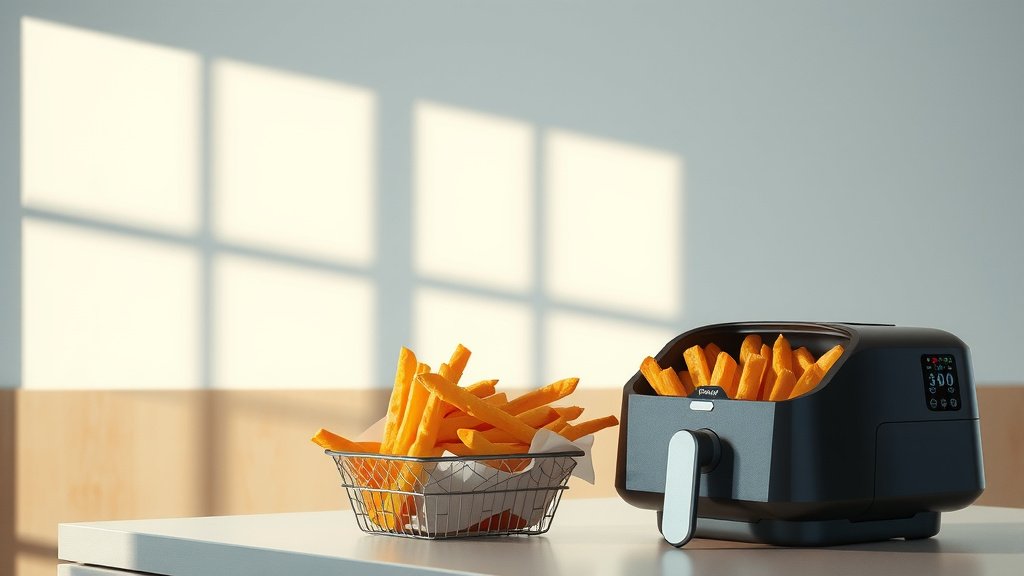
Yes, air frying can often reduce acrylamide levels in many foods, particularly compared to traditional deep frying or high-temperature baking methods.
This cooking method helps lower acrylamide formation by promoting more even heating and requiring less oil, which influences the chemical reaction.
- TL;DR: Air frying often leads to lower acrylamide levels in your food.
- The intense, circulating heat cooks food quickly, helping to manage browning.
- You can further reduce acrylamide by controlling temperature and cooking time.
- Less oil use in air frying also plays a part in this reduction.
- Focus on light golden-yellow results for potatoes and other starchy foods.
Does Air Frying Reduce Acrylamide Levels?
Air frying certainly holds promise for reducing acrylamide levels in many dishes. It’s a smart way to enjoy crispy foods with potentially fewer unwanted compounds.
We found that its unique cooking process works to your advantage when managing this chemical byproduct.
What Exactly is Acrylamide?
Acrylamide is a chemical that can form in certain starchy foods during high-temperature cooking, like frying, baking, or roasting.
Think of those perfectly browned potato chips or crispy fries; that golden color often means acrylamide is present. It’s a natural reaction between sugars and an amino acid called asparagine (FDA).
Why Does Acrylamide Matter for Your Health?
Studies show acrylamide can be a concern. Many experts say that high exposure over time might pose health risks (National Cancer Institute).
It’s wise to be aware and try to reduce your intake where you can, without giving up delicious food entirely, right?
How Does Air Frying Work Its Magic?
An air fryer is like a mini convection oven. It circulates hot air rapidly around your food. This creates a crispy exterior with very little oil.
This constant, even heat distribution is key to how it manages acrylamide formation. No more soggy spots or uneven browning.
The Science Behind Acrylamide Reduction in Air Fryers
Research suggests air frying’s benefits come from a few places. The circulating air cooks food faster and often at slightly lower temperatures than deep frying.
Also, the reduced need for oil helps. Less oil means less of a medium for some of the high-temperature reactions to occur.
Air Fryer vs. Deep Fryer: A Quick Look
When you deep fry, food is submerged in hot oil, which reaches very high temperatures quickly. This environment is perfect for acrylamide to form.
Air frying uses hot air, which, while still hot, offers a different interaction with the food surface, promoting browning without the same conditions.
| Cooking Method | Acrylamide Formation Potential | Oil Usage | Texture Result |
|---|---|---|---|
| Deep Frying | Higher | High | Crispy, often oily |
| Air Frying | Lower to Moderate | Low to None | Crispy, less oily |
| Boiling/Steaming | Very Low | None | Soft, moist |
What Foods Are Most Affected?
Starchy foods are the main culprits. Think potatoes, bread, breakfast cereals, and even some processed snack foods.
If you love your air-fried potato wedges or sweet potato fries, you’ll be happy to know air frying can be a smarter choice.
Practical Steps to Minimize Acrylamide When Air Frying
Beyond choosing your air fryer, there are simple things you can do to keep acrylamide levels as low as possible. It’s all about smart cooking habits.
You can truly take control of what goes on your plate!
Temperature Control is Your Friend
High temperatures lead to more acrylamide. Try to cook foods at the lowest effective temperature that still gives you that lovely crispiness.
Many recipes call for 400°F (200°C), but sometimes 350-375°F (175-190°C) works just as well with a little extra time.
Don’t Overcook!
Aim for a light golden-yellow color, especially with potatoes. The darker the brown, the more acrylamide likely formed.
Pull your food out when it looks done, not when it looks like it just had a long vacation in the sun.
Pre-Soaking Potatoes Can Help
For potato products, a quick soak in water for 15-30 minutes before air frying can wash away some surface sugars (FDA).
Remember to pat them very dry afterward to ensure they still get wonderfully crispy.
Spice Things Up Safely
Some seasonings, like rosemary, have been shown in research to potentially inhibit acrylamide formation (NIH). How cool is that?
Adding a little herb power to your food never hurts!
Choose Wisely
Processed foods often have higher acrylamide potential. Opt for fresh, whole ingredients when you can.
Even with an air fryer, what you put in it matters the most.
The Golden Rule: Balanced Diet
While managing acrylamide is good, remember that a balanced diet with plenty of fruits, vegetables, and whole grains is your best defense (Mayo Clinic).
Don’t stress over every single bite; focus on the bigger picture of healthy eating.
Enjoy Your Air Fryer!
Your air fryer is a fantastic tool for making healthier versions of your favorite crispy foods. With these tips, you can enjoy it with even greater peace of mind.
Who said healthy eating couldn’t be fun and delicious?
Your Checklist for Lower Acrylamide Air Frying:
- Blot your potatoes after washing or soaking to remove excess starch and moisture.
- Preheat your air fryer to ensure even and efficient cooking from the start.
- Cook in smaller batches to prevent overcrowding and promote proper air circulation.
- Shake the basket regularly for consistent cooking and browning.
- Aim for light golden-brown, not dark brown or burnt.
- Experiment with lower temperatures and slightly longer cook times.
Conclusion
Air frying offers a clear advantage in reducing acrylamide levels compared to many traditional high-heat cooking methods. By combining the benefits of your air fryer with smart cooking techniques, you can enjoy delicious, crispy meals with greater confidence.
It’s all about making informed choices to keep your plate healthy and satisfying.
Frequently Asked Questions About Air Frying and Acrylamide
Does every type of food produce acrylamide when air fried?
No, acrylamide mainly forms in starchy foods like potatoes, grains, and some baked goods when cooked at high temperatures. Meat, fish, and most vegetables usually don’t produce significant levels.
Can I completely eliminate acrylamide from my air-fried foods?
It’s nearly impossible to completely eliminate acrylamide in foods prone to its formation, but you can significantly reduce its levels by following the tips mentioned, such as cooking at lower temperatures and not over-browning.
Is an air fryer always better than an oven for acrylamide reduction?
Not always. While air fryers often cook faster and more evenly than conventional ovens, some research suggests oven baking at lower temperatures for longer might sometimes produce less acrylamide than air frying at very high temperatures. It really depends on the specific food and settings.
Does using oil in an air fryer increase acrylamide?
Using a small amount of oil, especially one with a high smoke point, is usually fine and can even help with browning. The issue with acrylamide is more about the starch content of the food and the cooking temperature, not primarily the oil itself in an air fryer setup. Deep frying uses much more oil at higher temps, which contributes to higher acrylamide.
Are there any specific potato varieties that produce less acrylamide?
Yes, some studies indicate that certain potato varieties, particularly those with lower sugar content, might produce less acrylamide when cooked. However, proper cooking techniques like pre-soaking and avoiding over-browning are generally more impactful than variety choice alone.
