
How Hot Does An Air Fryer Get?
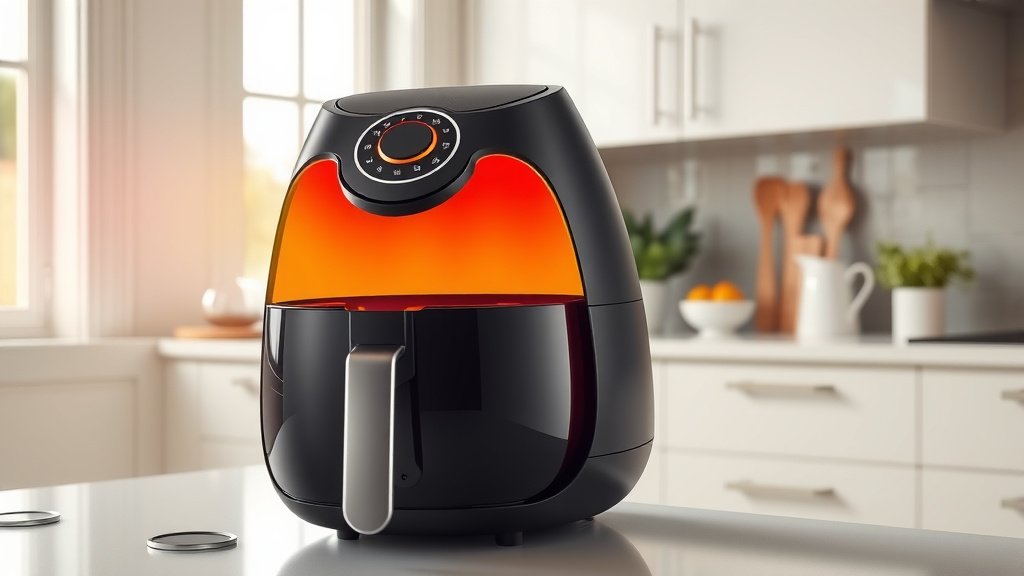
An air fryer generally heats up to temperatures ranging from 300°F to 400°F (150°C to 200°C), creating a super-heated environment for crispy results. This precise temperature control is key to how an air fryer achieves its signature texture and cooking efficiency.
Here’s a quick overview of what you’ll find about how hot an air fryer gets:
- Air fryers typically operate between 300°F and 400°F.
- The combination of a heating element and a powerful fan creates intense, circulating heat.
- Preheating is crucial for maintaining consistent cooking temperatures.
- Overcrowding the basket can prevent your food from getting as hot as it should.
- Different models can have slight variations in their exact temperature capabilities.
How Hot Does An Air Fryer Get?
Air fryers typically reach temperatures between 300°F and 400°F, sometimes pushing slightly higher to 450°F on certain models, which creates that perfectly crispy texture you love.
The Range of Air Fryer Temperatures
Most air fryers you find in homes operate within a common temperature bracket. We found that the vast majority are designed to heat food anywhere from 300 degrees Fahrenheit to about 400 degrees Fahrenheit. Think of this as the sweet spot for achieving that golden-brown finish.
Why this specific range, you ask? This temperature window is ideal for replicating deep-frying results with far less oil. It’s hot enough to cook food quickly and create a crispy exterior, yet not so hot that it burns the outside before the inside is done.
Why Temperature Control Matters
Precise temperature control is everything when it comes to air frying. If your air fryer doesn’t reach or maintain the set temperature, your food might end up soggy, undercooked, or even burnt. Getting it just right ensures uniform cooking and delicious outcomes every time.
Many culinary experts agree that stable temperatures are vital for consistent results. It’s like baking; small temperature shifts can make a big difference in the final product.
How Air Fryers Achieve Heat
So, how does this countertop marvel manage to get so hot and cook food so efficiently? It’s all about a clever combination of a powerful heating element and a high-speed fan. This dynamic duo works together to create a miniature convection oven effect.
The Role of the Heating Element
At the core of every air fryer is a heating element, usually a coil, much like what you’d find in a traditional oven or toaster. This element gets incredibly hot when powered on, acting as the primary heat source. It’s what initially generates the high temperatures needed for cooking.
This element quickly brings the internal chamber up to your desired setting. It’s designed to heat up fast, which is one reason air fryers don’t typically need a long preheating time compared to larger ovens.
Convection for Even Cooking
Once the heating element is hot, a powerful fan kicks in. This fan circulates the super-heated air rapidly around the food in the basket. This constant movement of hot air is called convection, and it’s the secret sauce for even cooking and that desirable crispiness.
The circulating air ensures that every surface of your food is exposed to the heat, creating a “fried” effect without needing a pot full of oil. Research often connects convection cooking with faster cooking times and more uniform browning (Journal of Food Science).
Common Temperature Settings for Foods
You’ll find that different foods benefit from different air fryer temperatures. Think about what you’re cooking – delicate vegetables versus a dense piece of chicken. Here’s a general guide:
| Food Type | Typical Air Fryer Temperature (Fahrenheit) | Typical Air Fryer Temperature (Celsius) |
|---|---|---|
| Frozen Fries/Tots | 375°F – 400°F | 190°C – 200°C |
| Chicken Wings/Nuggets | 375°F – 400°F | 190°C – 200°C |
| Vegetables (Broccoli, Asparagus) | 350°F – 380°F | 175°C – 195°C |
| Fish Fillets | 350°F – 375°F | 175°C – 190°C |
| Baked Goods (Small) | 300°F – 325°F | 150°C – 160°C |
Factors Affecting Actual Temperature
While your air fryer has a set temperature range, a few things can influence the actual heat your food experiences. It’s not just about setting the dial; it’s about understanding how to use your appliance effectively. Knowing these factors can significantly improve your cooking results.
Importance of Preheating
Just like a traditional oven, preheating your air fryer is a game-changer. Allowing it to reach the target temperature before adding food ensures an even cook from the very start. Skipping this step can lead to food cooking slower and unevenly, as the appliance spends the first few minutes heating up with your food inside.
Many recipe developers suggest a 3-5 minute preheat. This short wait makes a big difference in how your food crisps up and cooks through.
Overcrowding and Its Impact
This is a common mistake! When you pack too much food into the air fryer basket, you hinder the hot air circulation. If the hot air can’t flow freely around each piece of food, some parts won’t get as hot as others. This results in steamed food rather than crispy, air-fried goodness.
It’s often better to cook in smaller batches. Give your food some breathing room to let that convection magic happen. This ensures everything gets hot enough to become perfectly golden and delicious.
Temperature Variability Among Models
Not all air fryers are created equal, and you might notice slight differences in how hot various models run. Some premium models might boast a wider temperature range or more precise controls. Others might have a slightly stronger fan, influencing how heat is distributed.
Reading reviews and specifications can give you a good idea of a specific model’s performance. Generally, well-known brands tend to offer more consistent performance.
Analog vs. Digital Controls
The type of controls on your air fryer can also play a role in temperature accuracy. Analog dials might offer less precise temperature settings than digital touch screens. Digital displays often allow you to set temperatures in smaller increments, giving you finer control over your cooking environment.
Many experts say that for very specific recipes, a digital air fryer might give you more reliable results. However, both types can cook wonderfully with a little practice.
Safety Tips for Hot Air Fryers
Because air fryers get so hot, it’s important to practice good safety habits. Your safety, and the safety of your home, always come first. Handle your air fryer with care, especially when it’s operating at high temperatures.
- Always use oven mitts when removing the basket or food.
- Ensure your air fryer is placed on a heat-resistant surface, away from walls.
- Do not block the air vents; they are crucial for proper function and safety.
- Unplug the unit when not in use and before cleaning.
- Avoid using metal utensils that could scratch the non-stick coating.
Conclusion
Understanding “how hot does an air fryer get” is key to mastering this popular kitchen appliance. With temperatures typically ranging from 300°F to 400°F, air fryers use a powerful heating element and a circulating fan to create a super-heated environment. This intense heat is what delivers those delightfully crispy results with less oil.
Remember that factors like preheating, avoiding overcrowding, and even the specific model you own can affect the actual cooking temperature your food experiences. By paying attention to these details and practicing safe handling, you can consistently achieve perfectly air-fried meals. It’s about leveraging that powerful, concentrated heat to its full potential for delicious, healthier cooking.
How do I know what temperature to set my air fryer?
A good starting point is to follow recipe instructions designed for air fryers. If you’re converting a conventional oven recipe, generally reduce the temperature by about 25°F and shorten the cooking time by 20-25%, checking food frequently.
Can an air fryer get too hot?
While air fryers have internal thermostats to prevent overheating, cooking at excessively high temperatures for certain foods can lead to burning the exterior before the interior is cooked. Always match the temperature to the food type for best results.
Do all air fryers reach the same maximum temperature?
No, there can be slight variations. Most models top out around 400°F, but some advanced models might reach 450°F, while basic ones might max out a little lower. Always check your specific model’s manual.
Is it normal for an air fryer to smell like plastic when it’s hot?
During the first few uses, a slight plastic smell can be normal as manufacturing residues burn off. If the smell persists after several uses or is very strong, it might indicate an issue, and you should contact the manufacturer or discontinue use.
How does the air fryer know what temperature it is?
Air fryers use a thermostat, similar to an oven, which contains a temperature sensor inside the cooking chamber. This sensor constantly monitors the internal temperature and cycles the heating element on and off to maintain your chosen setting.
